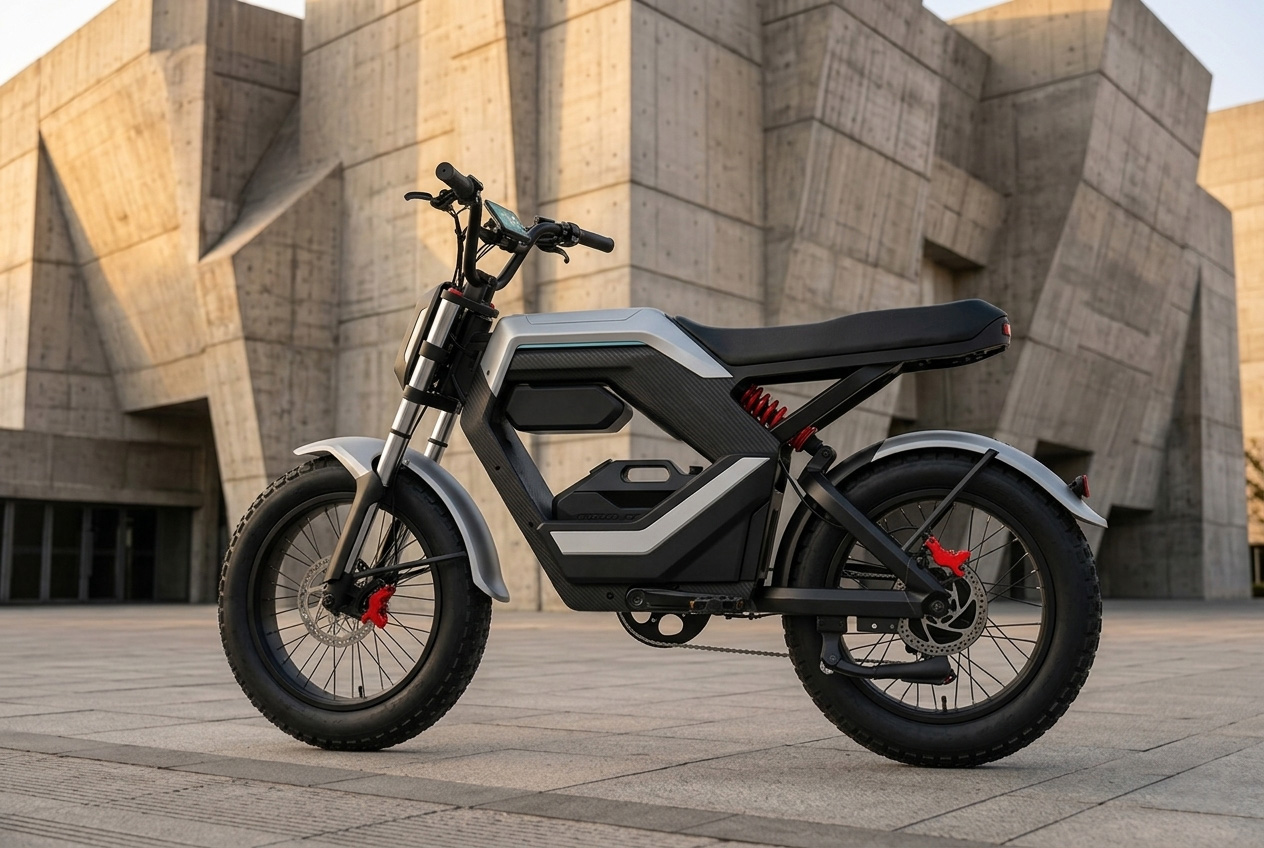
The way we travel is undergoing a fundamental shift. We analyse the latest developments in electric vehicles (EVs), smart urban mobility systems, and future personal transport solutions that are redefining travel efficiency and sustainability.
The way we move through our cities and across our vast Australian landscape is undergoing its most significant transformation since the invention of the horseless carriage. Future mobility is no longer a niche conversation reserved for tech enthusiasts; it is a fundamental shift in the global socio-economic fabric. At E-Powered Future, we analyse this shift not through the lens of speculation, but through the practical application of advanced propulsion and smart infrastructure.
The transition to Electric Vehicles (EVs) is the most visible pillar of this movement. However, the true innovation lies beneath the surface—in the battery chemistry, the efficiency of the drivetrains, and the software that manages energy consumption. In Australia, where distances are great and the climate is demanding, the durability of these systems is paramount. We look at how next-generation EVs are moving past “range anxiety” by incorporating higher energy-density cells and rapid-charging capabilities that align with our unique geographical requirements.
Beyond personal cars, the electrification of public transport fleets—buses, light rail, and regional trains—is creating quieter, cleaner urban centres. These systems are being integrated with smart grid technology, allowing transport fleets to act as mobile energy storage units, stabilising the grid during peak demand.
Future mobility is as much about the “path” as it is about the “vehicle.” The rise of smart cities involves the deployment of IoT (Internet of Things) sensors and AI-driven traffic management systems that reduce congestion and energy waste. Coupled with this is the explosion of micro-mobility—electric scooters, e-bikes, and personal pods—that solve the “last-mile” problem. These innovations are fundamental to reducing our reliance on heavy vehicles for short-distance travel, fundamentally changing the layout of our metropolitan hubs.
While fully autonomous “level 5” driving remains a work in progress, the incremental steps in Advanced Driver Assistance Systems (ADAS) are already saving lives. We explore how vehicle-to-everything (V2X) communication allows cars to “talk” to traffic lights, pedestrians, and other vehicles, creating a safer, more fluid movement of people. For Australia, this technology holds the potential to revolutionise long-haul freight, making our highways safer and our supply chains more resilient.