Electric bikes are no longer a single, clearly defined product category. What began as a practical alternative to traditional cycling has rapidly evolved into a diverse and increasingly sophisticated segment that now spans everything from simple commuter tools to high-performance machines bordering on electric motorcycles.
At the forefront of this transformation is a new class of electric bikes designed not merely for transport, but for experience. These machines prioritise power, responsiveness, design, and connectivity—offering riders something far beyond the conventional expectations of an e-bike. One such example is the Flux X26, a model that represents this shift in thinking. It is not positioned as a traditional commuter bike, nor does it attempt to fully replace a motorcycle. Instead, it sits confidently between the two, forming part of an emerging category that is reshaping how electric mobility is perceived and used.
The Splitting of the E-Bike Market
Over the past five years, the electric bike market has undergone a noticeable division. On one side, there are practical commuter e-bikes. These are designed for efficiency, affordability, and everyday usability. Their focus is straightforward: assist the rider, reduce effort, and provide a convenient alternative to cars or public transport.
On the other side, a very different type of machine has emerged—high-performance electric bikes that place a premium on power, engagement, and identity. These are not simply tools; they are lifestyle products. The Flux X26 clearly belongs in this second category. As highlighted in the original material, “electric bikes are increasingly splitting into two camps: practical commuter tools and high-performance machines that edge into motorcycle territory.”
This distinction is important. It signals a broader shift in consumer expectations. Riders are no longer satisfied with basic functionality—they are seeking excitement, design, and a deeper connection with the machine itself.
Performance That Pushes the Boundaries
At the heart of the Flux X26 is a clear commitment to performance. This is not an afterthought or a secondary feature—it is the defining characteristic of the bike. The model is offered in two configurations:
- A standard version featuring a 750W motor with a peak output of 1,200W
- Flux X26 Pro version delivering 1,500W with peaks up to 2,000W
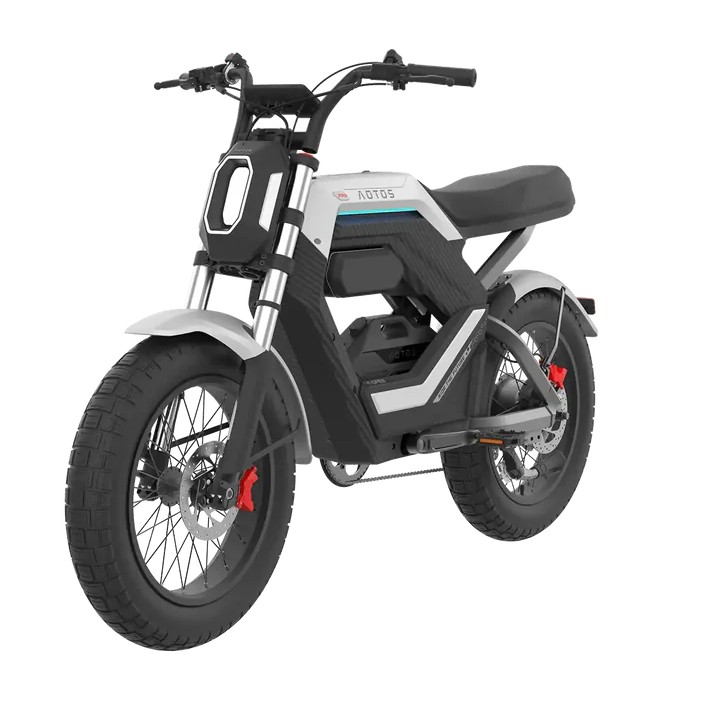
This level of output immediately places the X26 in a different league compared to conventional e-bikes. It is designed to deliver rapid acceleration, strong torque, and a more dynamic riding experience. Acceleration figures of 0–32 km/h in under five seconds demonstrate how far the category has evolved. Torque levels reaching 100 Nm further reinforce the point—this is performance typically associated with light electric motorcycles rather than bicycles. The practical implication of this is simple: the bike feels alive. It responds quickly, climbs efficiently, and handles a broader range of riding conditions with confidence.
Built for More Than Just the City
One of the defining characteristics of this new generation of electric bikes is versatility. Traditional commuter e-bikes are largely confined to urban environments. They are designed for roads, bike paths, and predictable terrain. The Flux X26, however, is engineered for a much wider range of use cases.
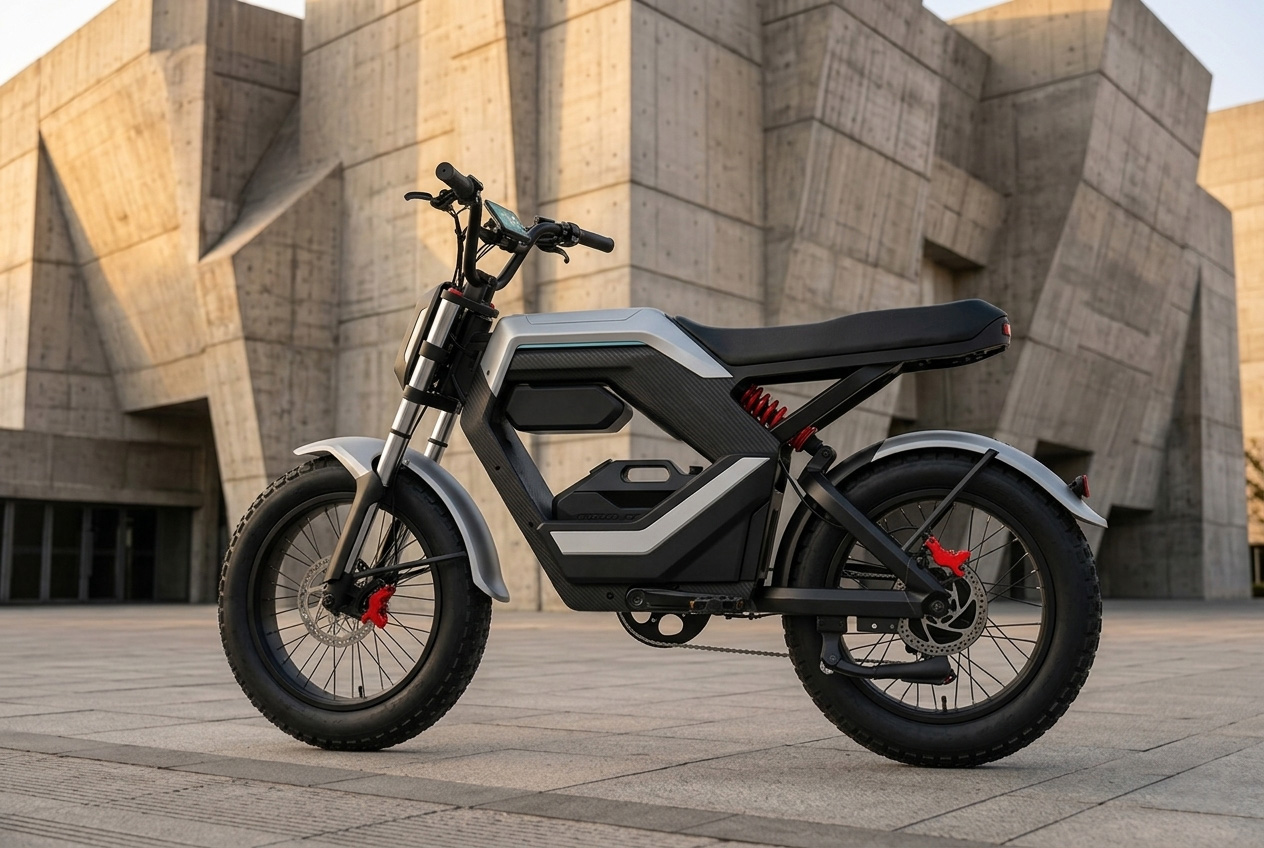
With the ability to handle gradients of up to 25%, combined with fat tyres, dual suspension, and hydraulic disc brakes, it is capable of moving seamlessly between city streets and more demanding terrain. This crossover capability is becoming increasingly important. Modern riders are no longer content with a single-purpose vehicle. They want flexibility—the ability to commute during the week and explore off-road environments on weekends. They want a machine that adapts to their lifestyle rather than limiting it. The X26 delivers on this expectation by offering a platform that supports both structured urban use and more spontaneous, recreational riding.
Range and Real-World Usability
Range remains one of the most critical considerations for any electric vehicle, and the Flux X26 addresses this with a claimed range of up to 110 kilometres. While real-world performance will vary depending on factors such as terrain, rider weight, and riding style, the combination of a high-capacity battery and efficient power delivery suggests that the bike is capable of supporting extended use.
This is particularly important for riders who intend to use the bike beyond short commutes. Longer range opens up new possibilities:
- Extended urban travel without frequent charging
- Weekend exploration without range anxiety
- Multi-purpose use across different environments
In practical terms, this shifts the bike from being a secondary transport option to something that can genuinely replace other forms of mobility in certain scenarios.
The Importance of Ride Experience
Perhaps the most significant shift in this category is the growing emphasis on ride experience. Traditional e-bikes are designed to assist the rider. Their role is supportive. The Flux X26 takes a different approach. It is designed to engage the rider.
One of the most notable features is the “one-key boost” mode—a system that delivers an immediate surge of power when activated. Rather than gradually building speed, the bike responds instantly, providing a more dynamic and interactive riding experience. This feature is not just about performance—it is about emotion. It transforms the ride from something passive into something responsive and exciting. It gives the rider control over how the bike behaves, allowing for quick acceleration when needed or a more relaxed pace when preferred. This shift towards engagement reflects a broader trend across electric mobility. As technology improves, the focus is moving away from simple functionality and towards creating a more enjoyable and memorable experience.
Design as a Statement
Design plays a crucial role in the positioning of high-performance electric bikes. In the case of the Flux X26, the design is deliberately bold and distinctive. The angular aluminium frame, described as having a “parametric” design language, moves away from the traditional, rounded aesthetics commonly seen in the e-bike market. Instead, it adopts a more industrial, futuristic appearance.
This is not accidental. For many riders, the bike is not just a means of transport—it is a reflection of personal identity. It is something that is seen, noticed, and associated with a particular lifestyle. The X26 is designed to stand out. Whether parked outside a café or used in daily commuting, its presence is intentional. It signals a preference for modern design, advanced technology, and a more progressive approach to mobility. This focus on design aligns with broader trends in consumer behaviour. Across multiple industries, buyers are placing increasing importance on how products look and feel, not just how they perform.
The Rise of Connected Mobility
Another defining feature of this new category is connectivity. Electric bikes are no longer standalone machines. They are becoming part of a broader digital ecosystem. The Flux X26 incorporates a range of connected features, including:
- A 5.5-inch TFT display with integrated navigation
- GPS tracking
- App connectivity
- Triple-layer anti-theft protection
- Contactless unlocking
These features transform the bike into something closer to a smart device than a traditional vehicle. Riders can monitor performance, track location, manage security, and interact with the bike through a mobile application. This creates a more integrated and convenient ownership experience. The inclusion of over-the-air (OTA) updates is particularly significant. This allows the bike to evolve over time. Features can be refined, performance can be adjusted, and new capabilities can be introduced without the need for physical upgrades. This approach is already standard in the automotive and consumer electronics industries, and its introduction into the e-bike market represents a major step forward.
Who Is This Type of Bike For?
The emergence of high-performance electric bikes has also led to the development of new customer segments. The Flux X26 appears to target two primary groups:
The Tech-Oriented Urban Rider
This group values innovation, connectivity, and design. They are already integrated into digital ecosystems and are drawn to products that reflect that connection. For them, the bike is more than transport—it is an extension of their lifestyle. The combination of advanced features, bold design, and connected functionality makes the X26 particularly appealing to this audience.
The Recreational Explorer
The second group consists of riders who are looking for a compact, versatile machine that can be used in a variety of environments. They may not want the size, cost, or complexity of a full motorcycle, but they still want performance and capability. For these users, the X26 offers a compelling alternative. It can be transported easily, used on trails, and integrated into outdoor activities such as camping or weekend trips.
The Broader Implications for the Market
The rise of bikes like the Flux X26 signals a broader transformation in the electric mobility landscape. Several key trends are becoming clear:
- Performance Is Becoming a Priority: Consumers are increasingly seeking higher power, faster acceleration, and more engaging experiences.
- Design Matters More Than Ever: Aesthetic appeal is no longer secondary—it is central to the value proposition.
- Connectivity Is Expected: Digital integration is becoming a standard feature rather than a luxury.
- Versatility Is Essential: Riders want machines that can adapt to different environments and use cases.
- Experience Is Driving Purchase Decisions: The emotional aspect of ownership—how the product feels to use—is becoming a key differentiator.
A Glimpse Into the Future
The development of machines like the Flux X26 provides a clear indication of where the electric bike industry is heading. The boundaries between bicycles, motorcycles, and smart devices are beginning to blur. We are moving towards a future where vehicles are defined by experience rather than category, technology is seamlessly integrated into mobility, and design and identity play a central role in product selection. This evolution is not limited to e-bikes; it is part of a broader shift towards electrification and digital integration across all forms of transport.
Final Thoughts
The Flux X26 represents more than just a new product—it represents a new way of thinking about electric bikes. It challenges the traditional definition of what an e-bike should be and introduces a model that prioritises performance, design, and connectivity. For riders seeking something beyond basic transportation, it offers a compelling alternative. It is a machine designed not just to get from point A to point B, but to make the journey itself more engaging, more dynamic, and more enjoyable. As the market continues to evolve, it is clear that high-performance electric bikes are no longer a niche—they are becoming a central part of the future of personal mobility.