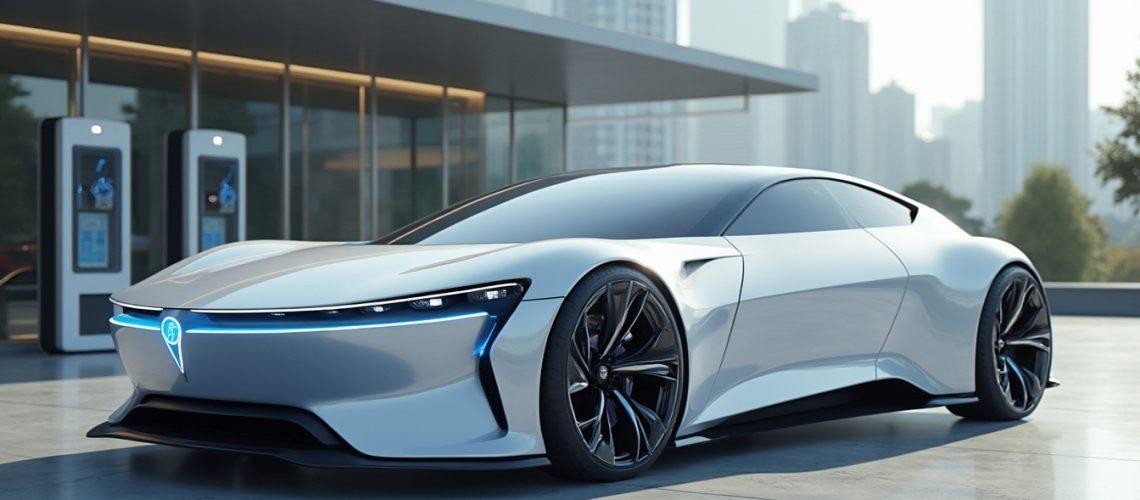

The automotive industry is undergoing one of the biggest technological transformations in its entire history. For more than 100 years, vehicles were primarily mechanical machines powered by combustion engines and controlled almost entirely through physical engineering systems.
Today, however, modern vehicles are rapidly evolving into highly intelligent digital platforms. A new generation of transport is emerging where software is becoming just as important as mechanical engineering itself. This transformation has given rise to the concept of software-defined vehicles.
Around the world, automotive manufacturers, AI developers, semiconductor companies, and technology giants are investing billions of dollars into software-driven mobility systems designed to create:
- Smarter vehicles
- Connected transport ecosystems
- Autonomous capability
- Intelligent safety systems
- AI-powered driving experiences
- Continuous software upgrades
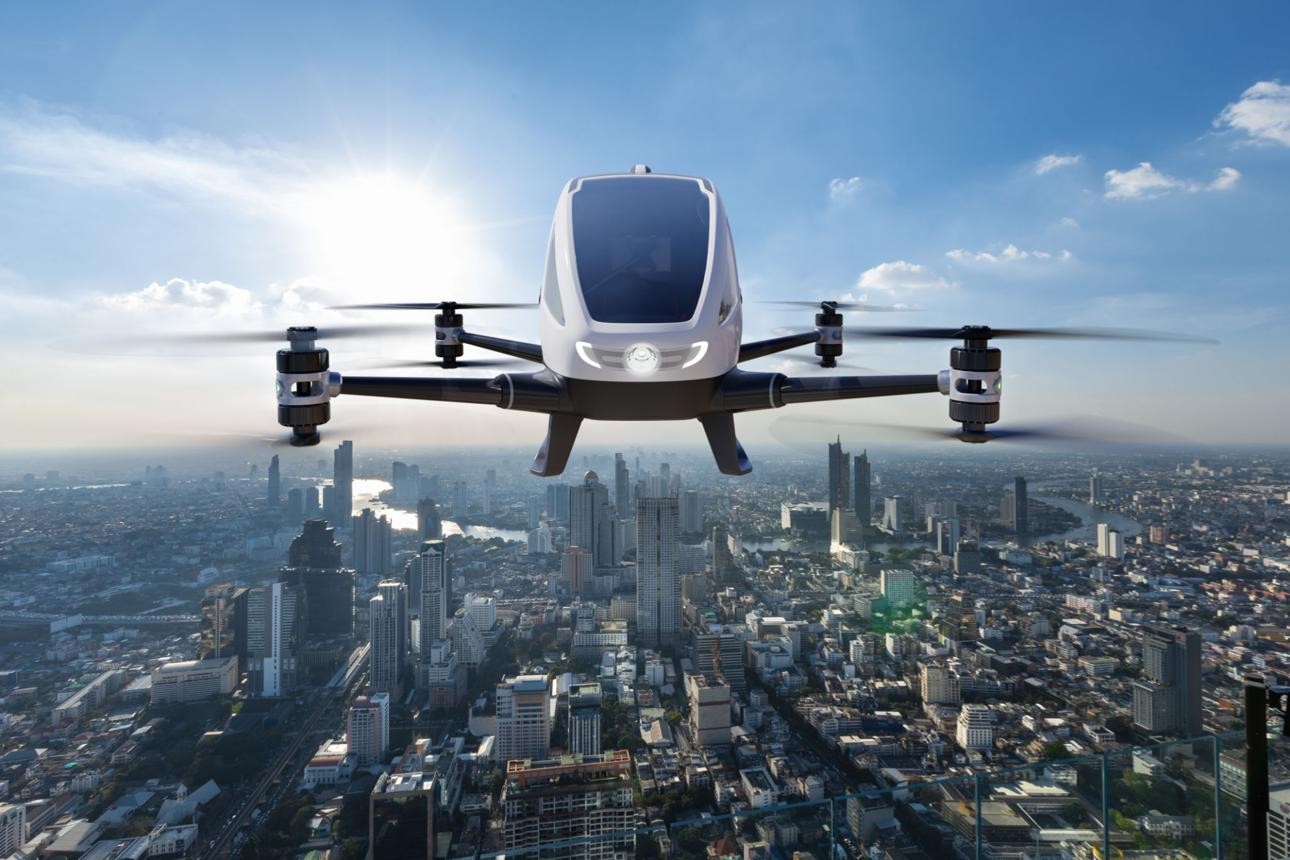
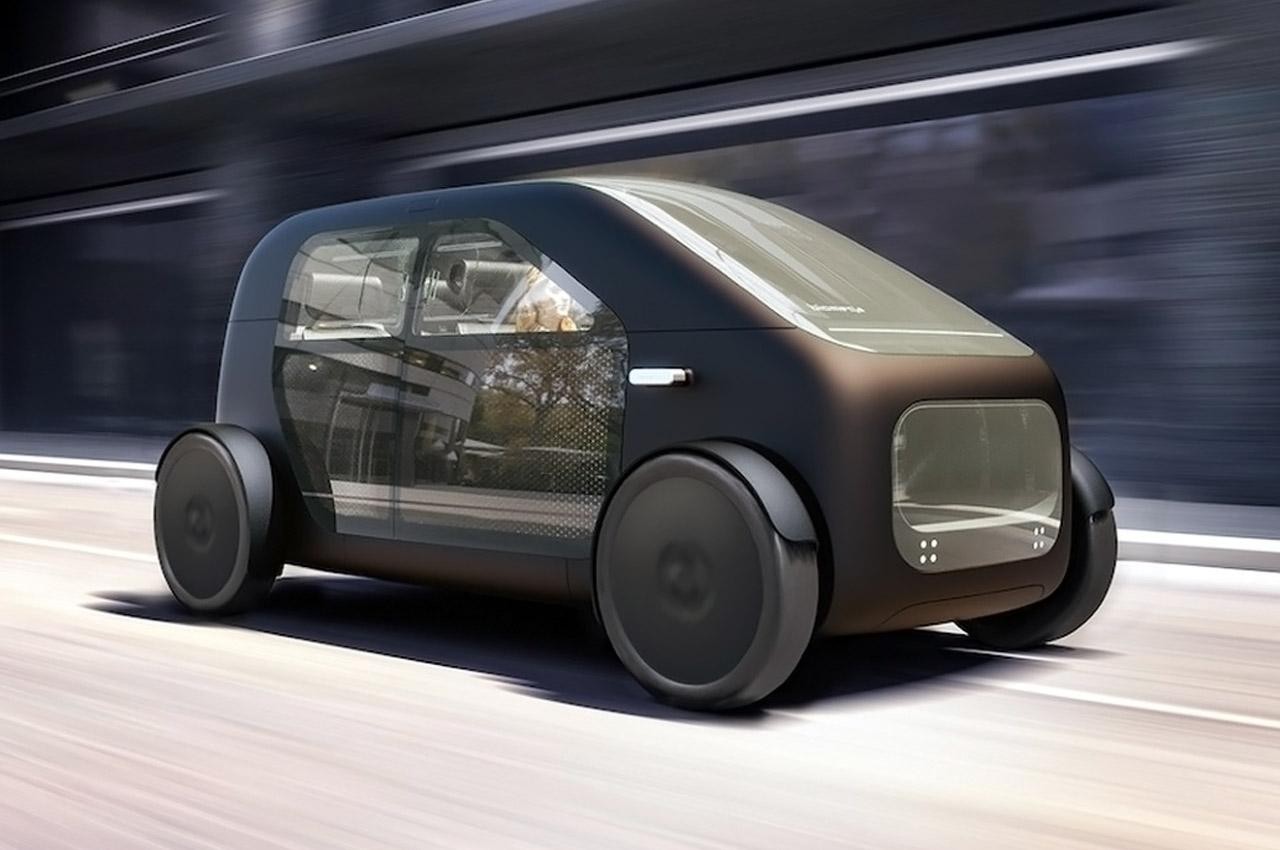
The future car is no longer simply a vehicle. It is increasingly becoming a connected computing platform, an AI-powered transport system, and a mobile digital ecosystem. Software-defined vehicles may ultimately become one of the most important technological shifts in modern automotive history.
What Is a Software-Defined Vehicle?
A software-defined vehicle is a vehicle where many core functions are controlled primarily through software rather than traditional standalone mechanical systems. Instead of relying upon isolated hardware components, modern vehicles increasingly use centralised computing systems capable of controlling:
- Safety systems
- Driving dynamics
- Navigation
- Energy management
- Infotainment
- Connectivity
- Autonomous functions
- Battery optimisation
These vehicles operate more like advanced digital devices than traditional cars. Software itself becomes the central intelligence layer controlling the vehicle experience. This allows manufacturers to continuously improve vehicles through over-the-air updates, AI learning systems, cloud connectivity, real-time diagnostics, and software enhancements. The result is a vehicle that can evolve long after it leaves the factory.

Why the Automotive Industry Is Moving Towards Software
Several major factors are driving this transition. Modern vehicles are becoming increasingly dependent upon electrification, AI systems, autonomous technology, connectivity, and digital infrastructure.
Traditional automotive architecture struggles to support the enormous complexity of future mobility systems. Software-defined platforms provide flexibility, scalability, faster innovation, easier upgrades, and improved system integration.
This allows manufacturers to rapidly introduce new features, improved safety systems, better energy management, and enhanced autonomous capability without redesigning entire vehicles mechanically.
Tesla Helped Accelerate the Revolution
Tesla played a major role in accelerating the global shift towards software-defined vehicles. The company demonstrated that vehicles could receive performance upgrades, feature additions, safety improvements, and interface redesigns through software updates delivered remotely.
This fundamentally changed consumer expectations. Modern drivers increasingly expect vehicles to behave similarly to smartphones and connected devices. Consumers now anticipate:
- Digital interfaces
- AI assistants
- Cloud connectivity
- Regular updates
- App integration
- Intelligent automation
Traditional automotive manufacturers are now rapidly adapting to these changing expectations.
Over-the-Air Updates Are Transforming Vehicle Ownership
One of the biggest advantages of software-defined vehicles is over-the-air update capability. Traditionally, improving vehicle systems often required dealership visits, physical servicing, and hardware replacement. Software-defined vehicles can now receive updates remotely.
Manufacturers may improve battery efficiency, driving performance, AI safety systems, infotainment systems, and autonomous functionality without requiring physical modification. This dramatically changes the ownership experience. Vehicles may continue improving for years after purchase.
Artificial Intelligence and Vehicle Intelligence
AI sits at the centre of software-defined mobility. Modern vehicles increasingly rely upon AI for driver assistance, hazard detection, route optimisation, predictive maintenance, voice control, energy management, and autonomous navigation.
AI systems continuously analyse enormous amounts of data involving traffic conditions, driver behaviour, road hazards, battery usage, and weather conditions. Future vehicles may become increasingly capable of:
- Learning driver preferences
- Optimising performance automatically
- Predicting maintenance needs
- Adapting dynamically to environments
This creates far more intelligent transport systems than previously possible.
Centralised Computing Architecture
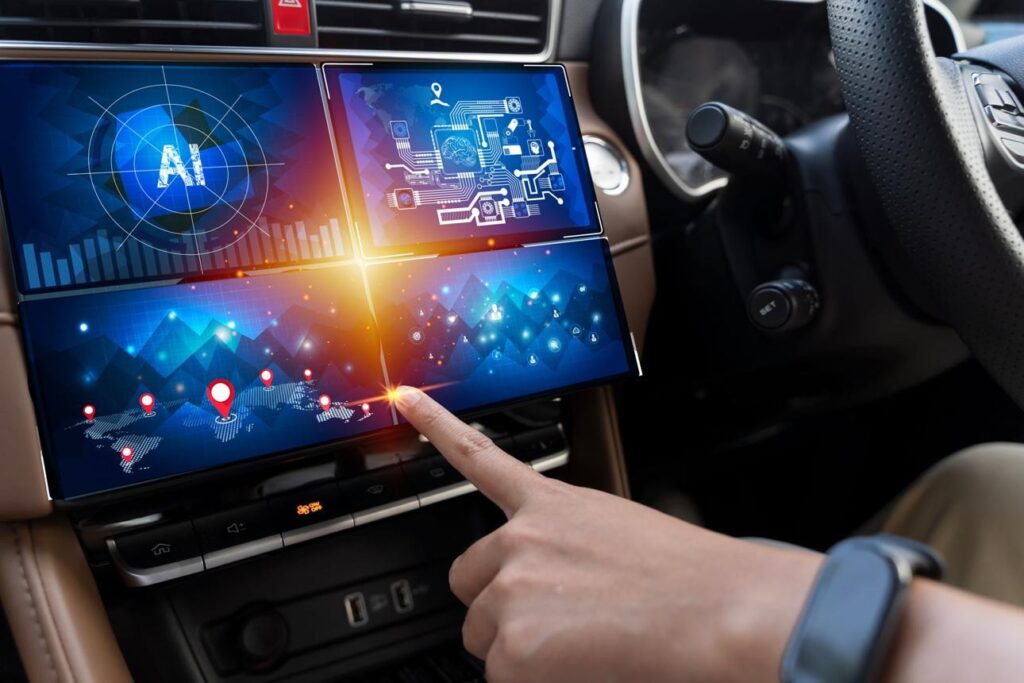
Traditional vehicles often use many separate electronic control units operating independently. Software-defined vehicles are increasingly moving towards centralised computing systems. Instead of isolated modules controlling specific functions, future vehicles may use powerful integrated processors capable of managing:
- Propulsion systems
- Safety systems
- Infotainment
- AI processing
- Autonomous capability
- Connectivity
This creates faster processing, simpler architecture, better integration, improved efficiency, and easier software development. The vehicle effectively becomes a unified computing platform.
Autonomous Driving Depends Upon Software
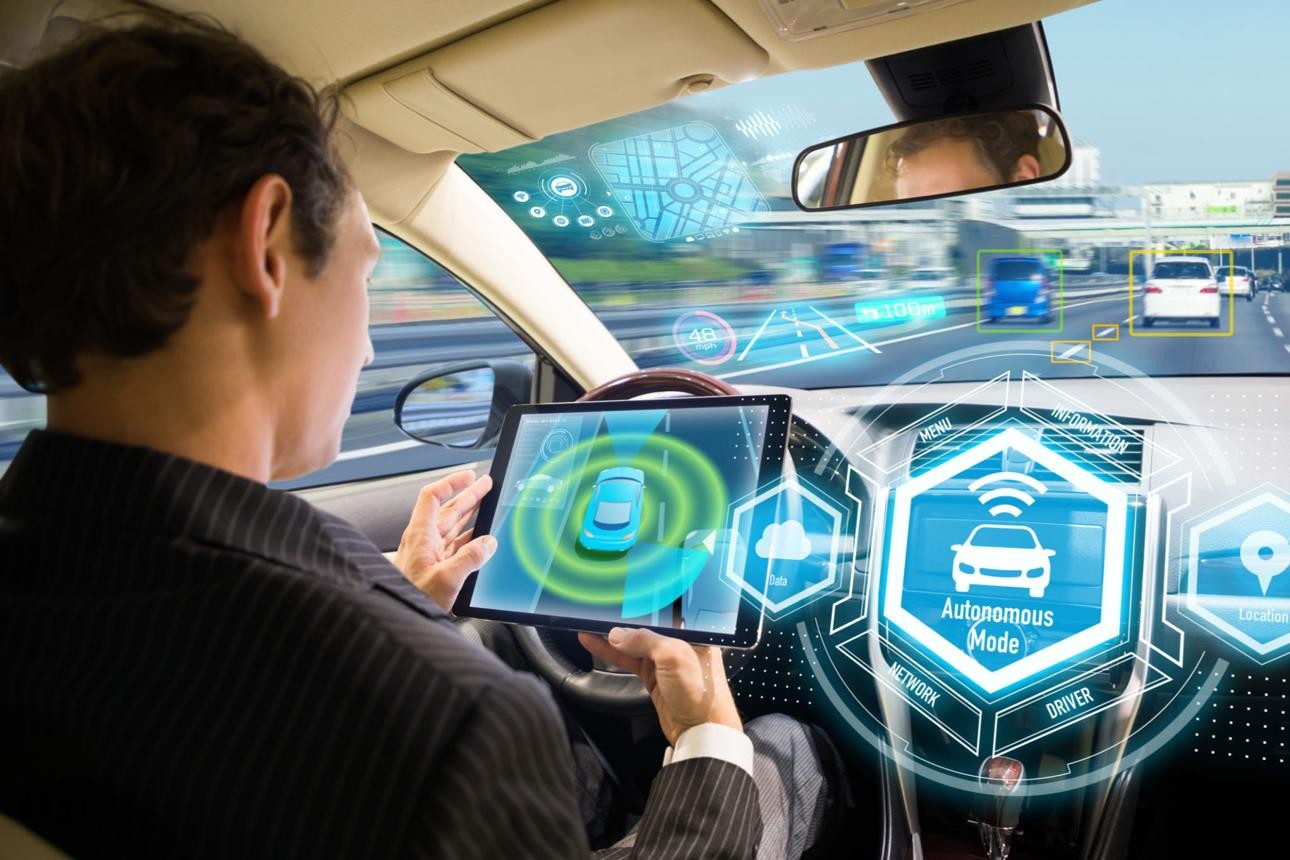
Autonomous mobility would not be possible without software-defined vehicle architecture. Self-driving systems require real-time data processing, AI decision-making, advanced sensor integration, continuous learning capability, and cloud connectivity.
Software coordinates cameras, radar, LiDAR, GPS, and AI processing systems to create intelligent autonomous functionality. As autonomous systems improve, software importance will continue growing dramatically.
Connectivity and Smart Ecosystems
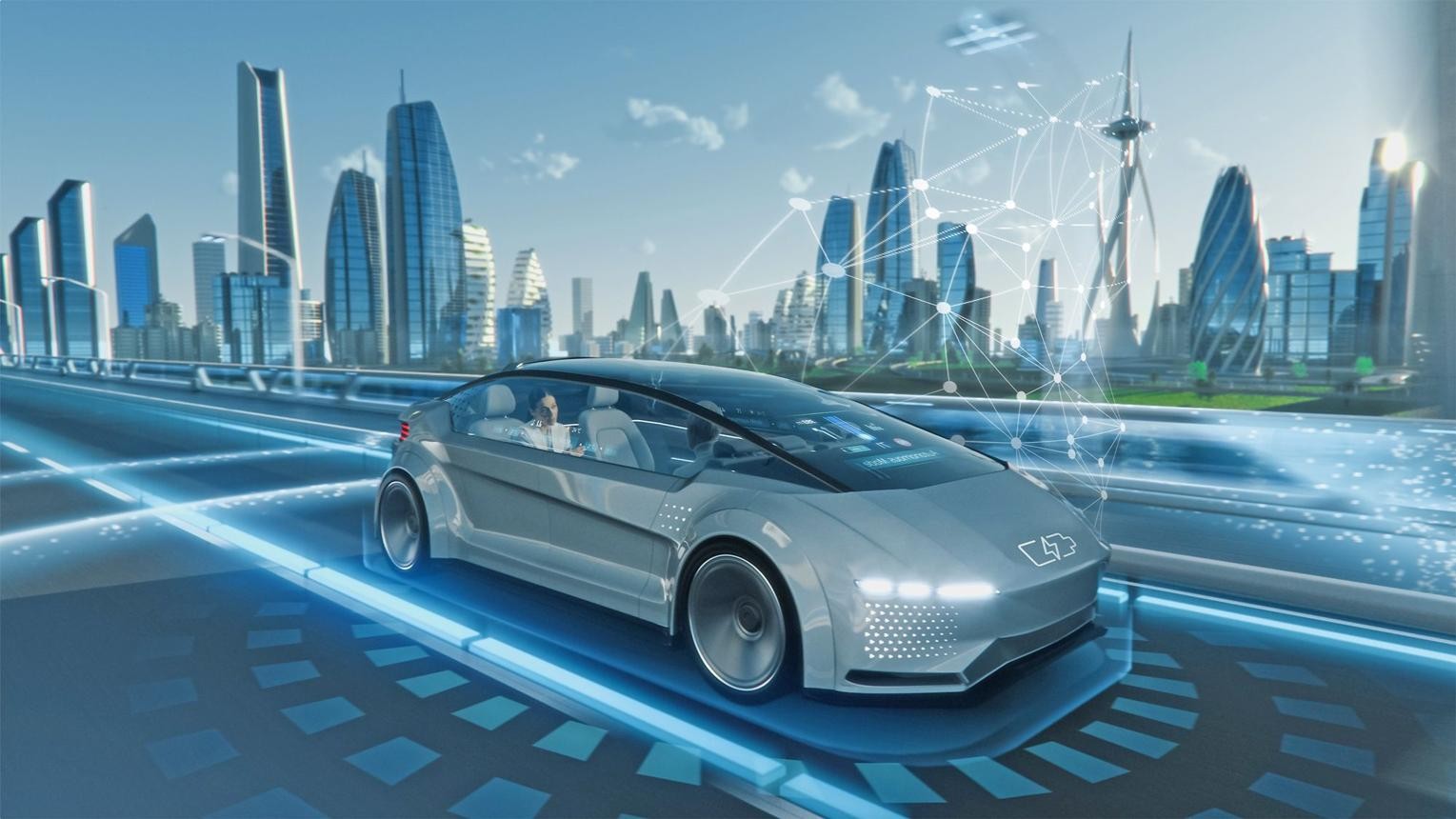
Software-defined vehicles are becoming increasingly connected to broader digital ecosystems. Future vehicles may communicate directly with smart homes, charging networks, traffic infrastructure, renewable energy systems, AI mobility platforms, and cloud-based navigation systems.
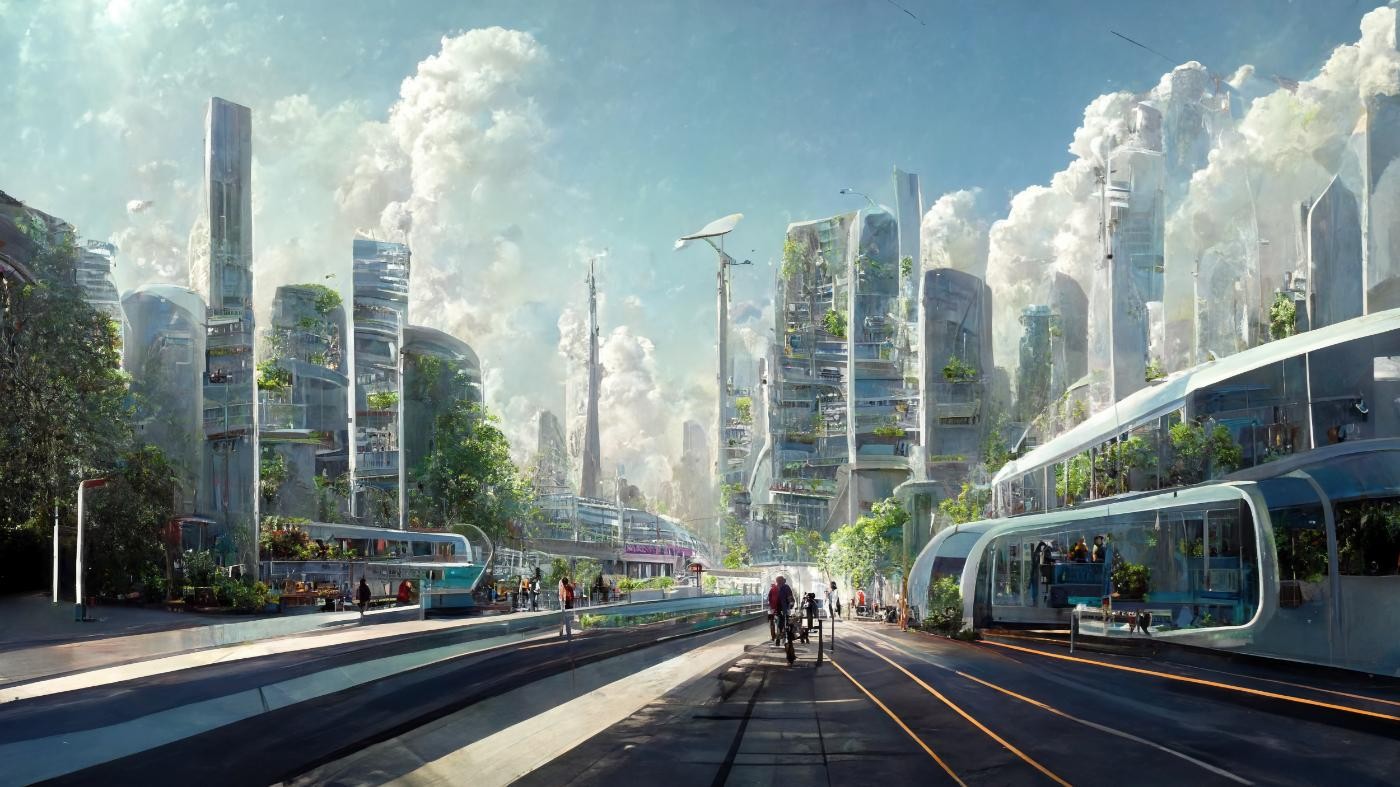
This creates seamless mobility experiences involving automated charging, route optimisation, predictive scheduling, integrated entertainment, and energy management. The vehicle itself becomes part of a much larger intelligent infrastructure network.
Cybersecurity Becomes Critically Important
As vehicles become increasingly software-driven, cybersecurity becomes one of the most important priorities in future mobility. Connected vehicles must protect against hacking, system manipulation, data breaches, malicious software, and communication interference.
Future automotive cybersecurity may become as important as physical crash protection. Manufacturers are investing heavily into encrypted systems, AI threat detection, secure communication architecture, and software verification systems. Protecting software-defined vehicles will become a major long-term challenge for the industry.
The Rise of Digital Vehicle Platforms
Future manufacturers may increasingly operate as software companies as much as automotive companies. Vehicle platforms themselves may become subscription-based, feature-upgradable, app-driven, and cloud-managed.
Future consumers may purchase autonomous driving upgrades, AI services, entertainment systems, and performance enhancements through digital ecosystems. This may fundamentally change automotive business models.
Predictive Maintenance and AI Diagnostics
Software-defined vehicles may dramatically improve maintenance efficiency. AI systems can continuously monitor battery health, drivetrain performance, brake systems, tyre wear, energy consumption, and component reliability.
Predictive maintenance systems may identify issues before failures occur. This could reduce downtime, repair costs, and unexpected breakdowns. Commercial fleets may particularly benefit from these capabilities.
Why Electric Vehicles and Software Go Together
Electric vehicles are especially suited to software-defined architecture. EVs already rely heavily upon battery management systems, digital motor control, regenerative braking software, charging algorithms, and energy optimisation systems. This makes EVs ideal platforms for advanced software integration. As electrification expands globally, its importance will continue increasing rapidly.
The Role of Semiconductors
Semiconductors and advanced processors are becoming increasingly important within future mobility systems. Modern vehicles now require enormous computing power to manage AI systems, autonomous functionality, connectivity, digital interfaces, and safety systems.
The automotive industry is therefore becoming closely linked with global semiconductor development. Future mobility may depend heavily upon advances in AI chips, processing efficiency, edge computing, and sensor integration.
Commercial Transport and Software Integration
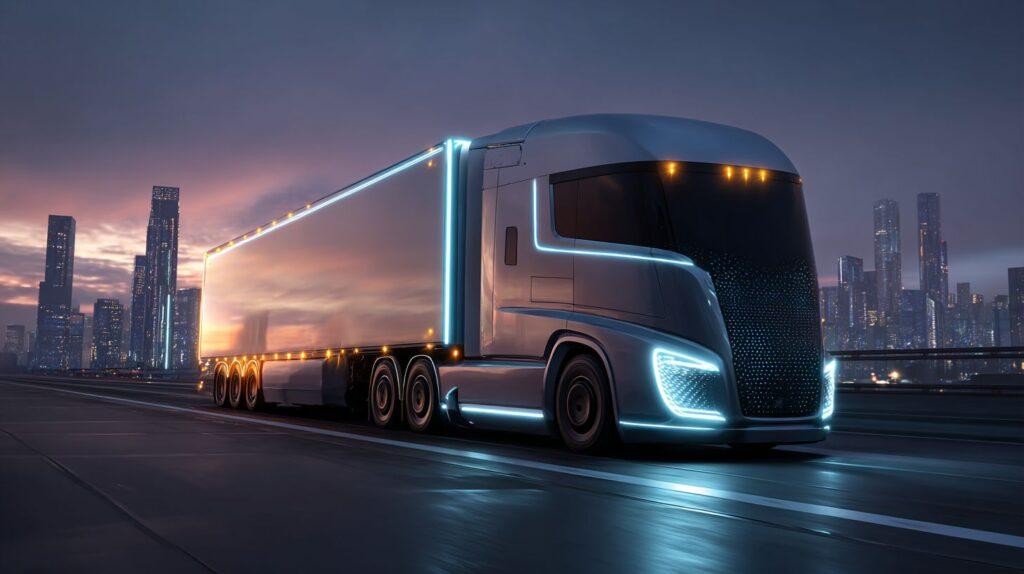
Commercial fleets are also rapidly adopting software-defined systems. Fleet operators increasingly rely upon AI fleet management, predictive logistics, connected maintenance systems, route optimisation, and energy management software.
Software may dramatically improve efficiency, reliability, operating costs, and fleet coordination. Commercial transport is becoming increasingly data-driven and intelligent.
Australia and New Zealand’s Future Opportunities
Australia and New Zealand may benefit significantly from future software-defined mobility systems. The region already possesses growing EV adoption, expanding digital infrastructure, renewable energy growth, and advanced technology capability.
Future opportunities may emerge involving smart mobility systems, AI infrastructure, connected logistics, and autonomous transport. Software-driven transport ecosystems may eventually become increasingly common across the region.
The Future of Automotive Engineering
The future car will likely look very different from traditional vehicles. Future mobility systems may increasingly operate through AI software, cloud connectivity, intelligent automation, integrated digital ecosystems, and autonomous systems.
Mechanical engineering will remain important. However, software is rapidly becoming the defining force behind future automotive innovation. The companies leading software-defined mobility today may ultimately dominate the next generation of global transport.
The automotive industry is evolving from mechanical engineering towards intelligent digital mobility. That transformation is already accelerating rapidly. The future vehicle may ultimately resemble a rolling AI-powered computing platform far more than a traditional automobile. And software itself may become the most important automotive technology of all.