
The Rise of AI-Driven Electric Cars
The global automotive industry is now undergoing one of the biggest transformations in history. For more than 100 years, motor vehicles have relied primarily upon petrol and diesel engines, human control, and traditional mechanical engineering. That world is now rapidly changing. Artificial intelligence, advanced software systems, autonomous driving technology, high-speed connectivity, smart sensors, and electrification are reshaping the future of transport at an extraordinary pace.
The rise of AI-driven electric vehicles is no longer a futuristic concept reserved for science fiction films. It is now becoming a practical reality in cities, highways, industrial zones, logistics fleets, and private transportation systems around the world. Leading manufacturers are investing billions of dollars into smart mobility systems designed to make transport safer, cleaner, more efficient, and more intelligent than ever before.
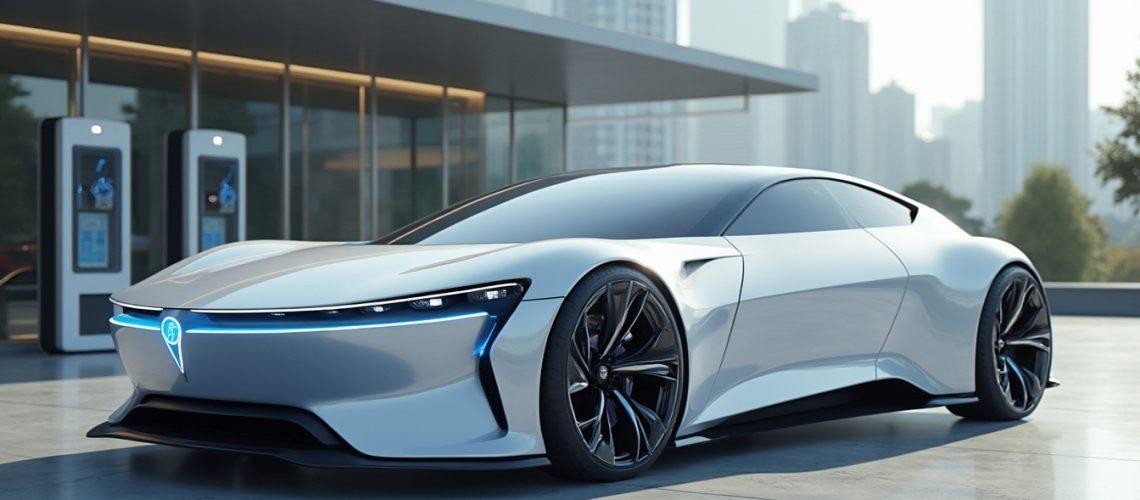
At the centre of this transformation sits the electric vehicle. However, modern electric vehicles are no longer simply battery-powered cars replacing petrol engines. The newest generation of electric mobility is rapidly evolving into something far more advanced — intelligent software-controlled transport systems capable of making decisions, monitoring surroundings, learning driver behaviour, optimising efficiency, and eventually operating with minimal human input.
This shift is expected to fundamentally change how society travels, works, commutes, transports goods, manages traffic, and even designs cities over the next decade.
The Convergence of AI and Electric Mobility
Artificial intelligence and electric mobility are developing together because modern EV platforms are uniquely suited to advanced software integration. Unlike traditional combustion vehicles, electric cars rely heavily upon electronic systems, digital control modules, and advanced computing architecture.
This creates the ideal foundation for AI-powered functionality. Modern AI-driven electric vehicles already incorporate:
- Adaptive cruise control
- Lane-keeping assistance
- Automatic emergency braking
- Traffic sign recognition
- Driver monitoring systems
- Self-parking capability
- Intelligent navigation systems
- Predictive maintenance alerts
- Battery optimisation software
- Real-time traffic learning
- Smart energy management
- Voice-controlled AI assistants
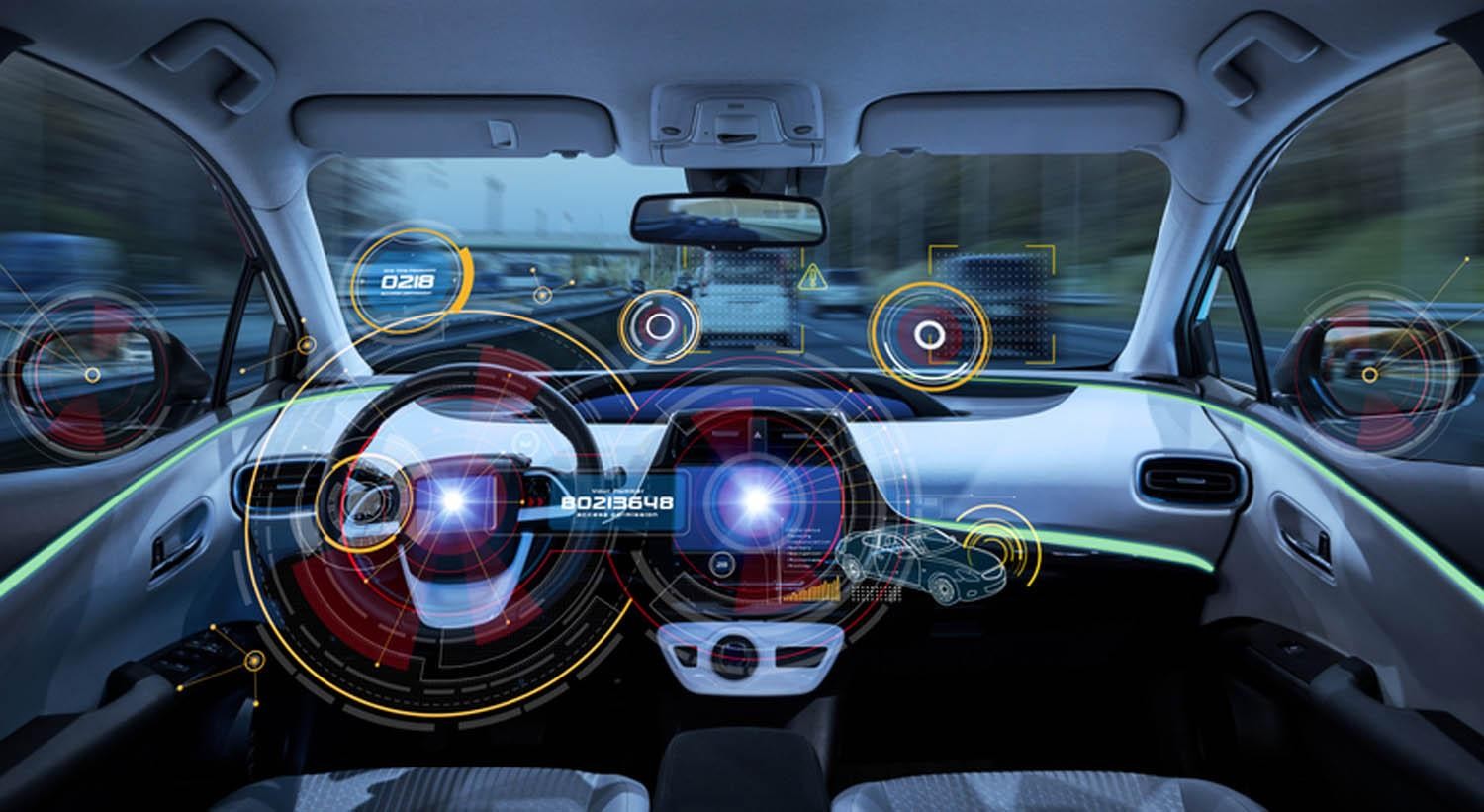
Many vehicles are now effectively becoming “computers on wheels.” Software updates can improve vehicle performance, increase driving range, refine safety systems, and add new functionality remotely without the owner ever visiting a dealership.
This is one of the major reasons why software-defined vehicles are expected to dominate the future automotive landscape.
Why Electric Vehicles Are Ideal for AI Integration
Electric vehicles are particularly well-suited to artificial intelligence for several reasons.
Firstly, EV platforms already rely heavily upon electronic control systems. Battery management, motor output, regenerative braking, charging systems, thermal management, and power distribution are all digitally controlled.
Secondly, electric vehicles provide significantly more flexibility in vehicle architecture. Without large internal combustion engines, complex transmissions, exhaust systems, and fuel infrastructure, manufacturers can redesign vehicle layouts around sensors, computing hardware, and smart technology.
Thirdly, EV manufacturers are often newer technology-focused companies willing to adopt rapid software development and innovation.
Companies such as Tesla have accelerated global expectations around software-based vehicle functionality. Consumers now increasingly expect:
- Large digital displays
- Advanced navigation systems
- App integration
- Over-the-air software updates
- AI-assisted driving features
- Connected ecosystems
As a result, artificial intelligence has become a central competitive battleground within the global automotive sector.
The Growth of Autonomous Driving Systems
One of the most important developments in future mobility is autonomous driving technology.
Autonomous systems use a combination of:
- Cameras
- Radar
- LiDAR sensors
- GPS positioning
- Ultrasonic sensors
- AI processing systems
- Machine learning algorithms
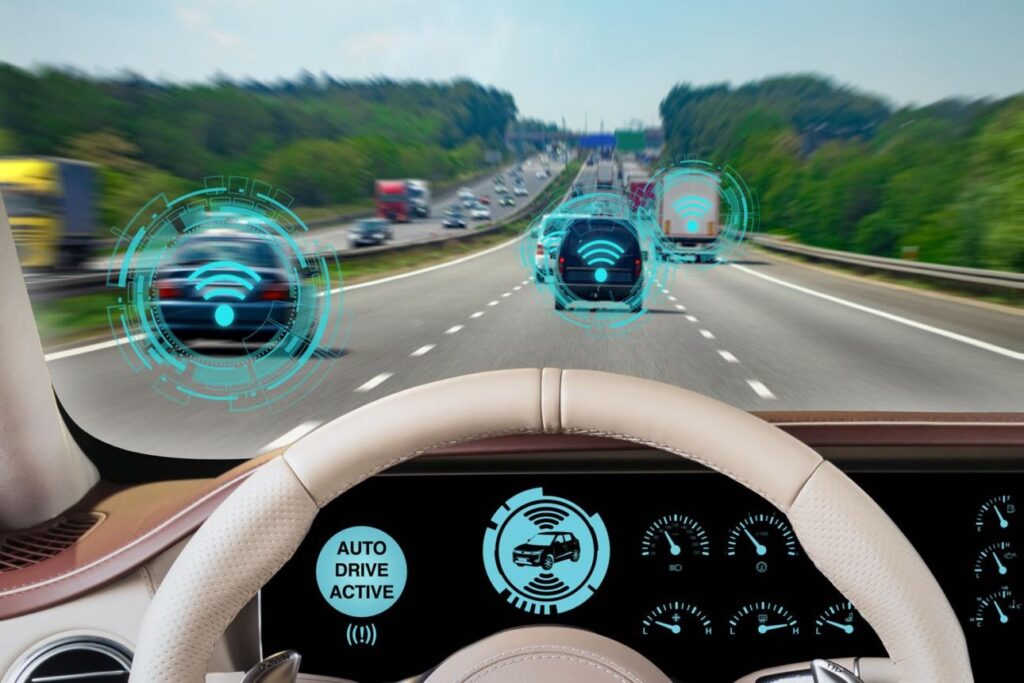
These systems continuously monitor surrounding conditions and make driving decisions in real time. Modern autonomous technology is already capable of:
- Detecting vehicles
- Recognising pedestrians
- Identifying cyclists
- Reading traffic signs
- Monitoring road conditions
- Navigating intersections
- Maintaining safe distances
- Reacting to hazards faster than humans
Although fully autonomous public transport remains under development in many regions, semi-autonomous systems are already becoming increasingly common in premium vehicles.
In the coming years, the technology is expected to improve rapidly as:
- AI processing power increases
- Mapping systems become more accurate
- Vehicle-to-vehicle communication improves
- Road infrastructure becomes smarter
- Governments update regulatory frameworks
The long-term implications are enormous.
How AI Could Dramatically Improve Road Safety
Human error remains one of the leading causes of road accidents worldwide. Fatigue, distraction, speeding, impaired driving, poor judgement, and delayed reaction times contribute to millions of accidents annually.
Artificial intelligence has the potential to dramatically reduce these risks.
AI systems can:
- Monitor road conditions continuously
- React instantly to hazards
- Maintain safer following distances
- Detect driver fatigue
- Prevent collisions
- Monitor blind spots
- Identify dangerous driving behaviour
- Optimise vehicle stability
Unlike humans, AI systems do not become tired, distracted, emotionally unstable, or impaired.
As autonomous technology matures, future transport systems may become significantly safer than current human-driven systems. This could eventually reduce:
- Traffic accidents
- Road fatalities
- Insurance costs
- Congestion
- Emergency service demands
For governments and transport authorities, these potential safety improvements are one of the biggest drivers behind investment in autonomous mobility systems.
Smart Cities and Connected Transport Networks
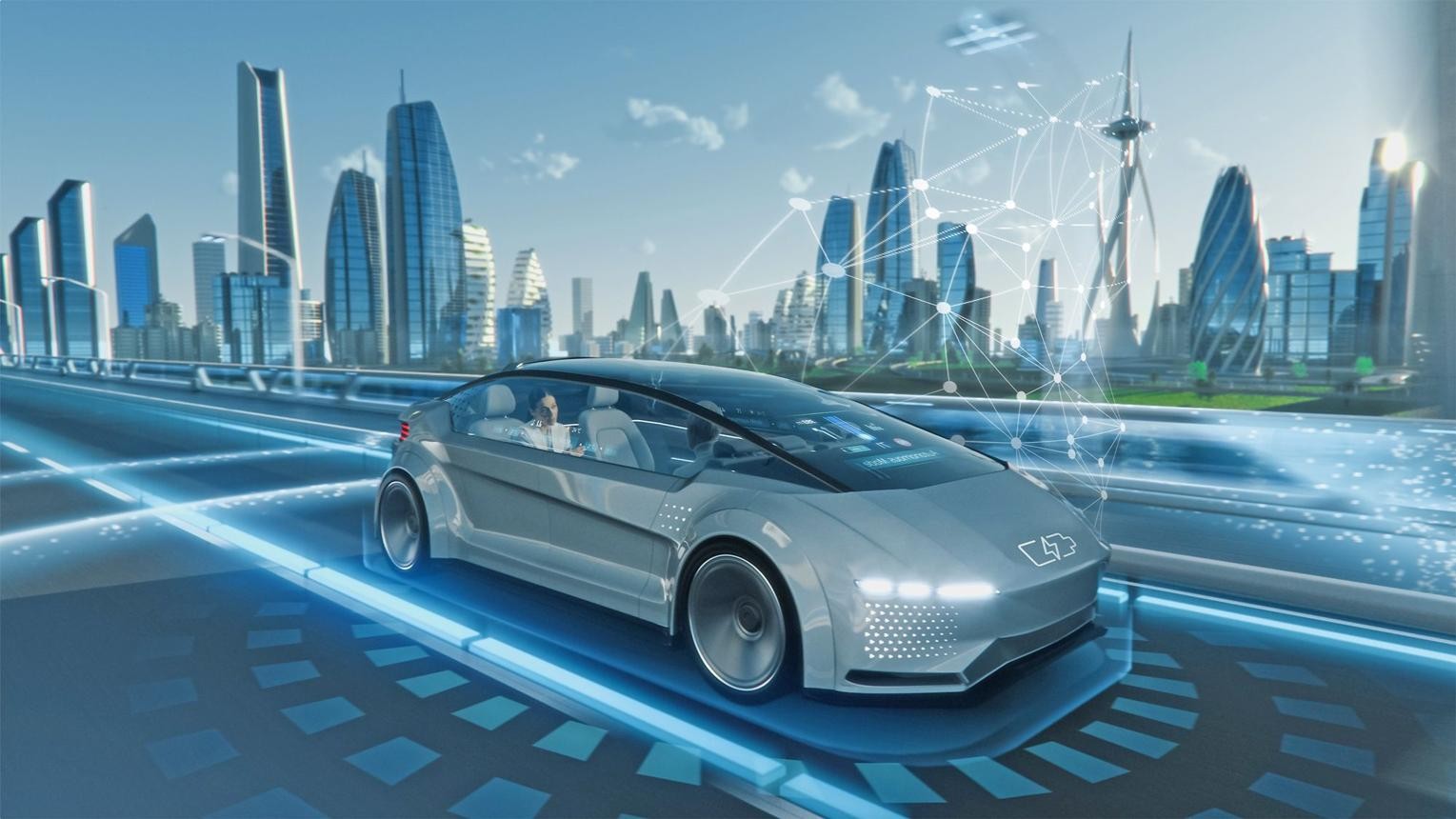
The future of AI-driven electric mobility extends beyond individual vehicles.
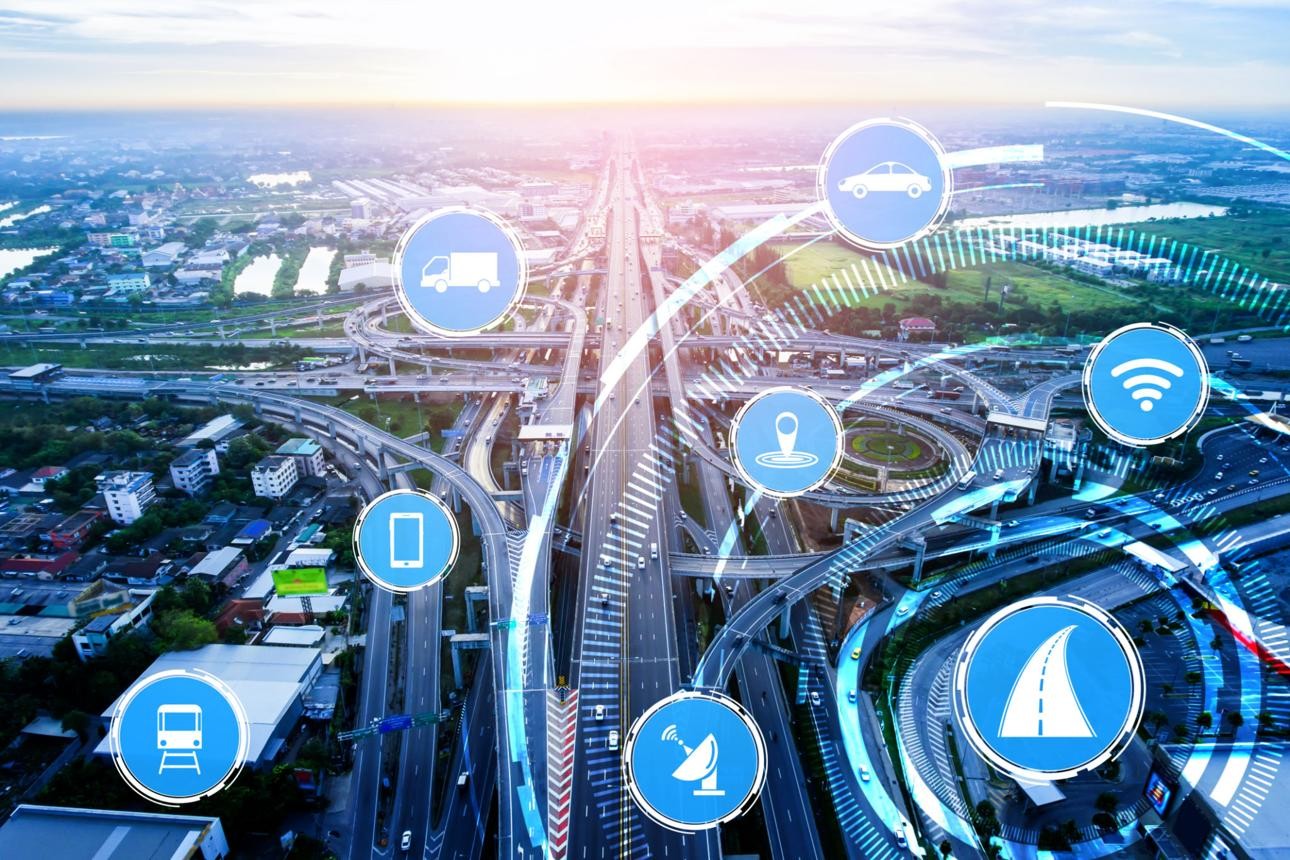
Entire transport ecosystems are being redesigned around intelligent connectivity. Future smart cities are expected to integrate:
- AI-controlled traffic systems
- Smart intersections
- Connected road infrastructure
- Real-time traffic monitoring
- Autonomous public transport
- Smart parking systems
- Dynamic charging infrastructure
- Vehicle-to-grid energy systems
Vehicles may soon communicate directly with:
- Other vehicles
- Traffic lights
- Charging stations
- Navigation systems
- Emergency services
- Public infrastructure
This interconnected environment could significantly reduce congestion while improving transport efficiency.
For example, AI traffic management systems may dynamically alter traffic signals based upon real-time congestion patterns. Autonomous vehicles may coordinate speed and spacing to improve traffic flow. Parking systems may direct drivers automatically to available spaces.
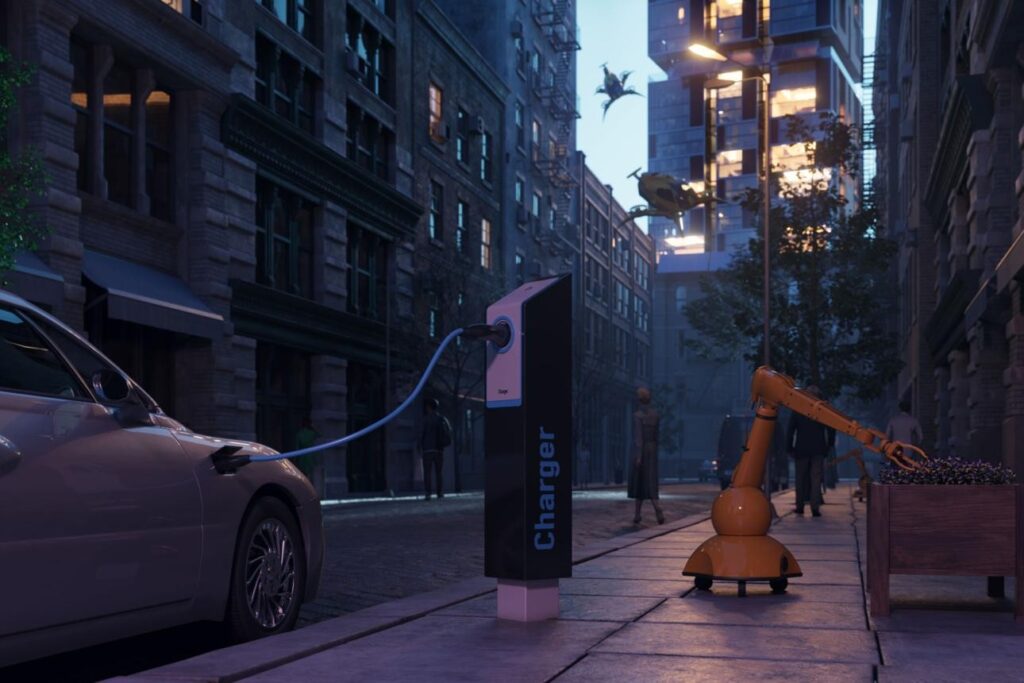
Public charging infrastructure may eventually integrate directly into smart transport networks to optimise energy demand and minimise wait times.
Battery Technology Driving the Revolution
Advanced battery technology is playing a major role in accelerating the growth of AI-driven electric mobility.
The rapid improvement of lithium-ion batteries over the past decade has significantly increased EV practicality.
Modern electric vehicles now commonly offer:
- Extended driving ranges
- Faster charging times
- Improved durability
- Better energy density
- Lower running costs
- Reduced maintenance requirements
However, future battery technologies are expected to deliver even more dramatic improvements.
Solid-state batteries are attracting enormous attention because they may provide:
- Greater energy density
- Faster charging
- Reduced fire risk
- Longer battery life
- Lower weight
- Improved efficiency
If these technologies achieve commercial scalability, they could dramatically accelerate global EV adoption.
Artificial intelligence is also being used to optimise battery management systems.
AI can monitor:
- Charging behaviour
- Temperature conditions
- Energy usage patterns
- Battery degradation
- Route efficiency
This helps maximise performance while extending battery longevity.
The Rise of Robotaxis and Shared Mobility
One of the most disruptive developments in future transport may be the emergence of autonomous ride-sharing fleets.
Robotaxis could eventually transform urban mobility by reducing the need for private vehicle ownership.
Instead of owning cars, future consumers may increasingly access autonomous electric vehicles on demand.
Potential benefits include:
- Lower transport costs
- Reduced parking demand
- Less congestion
- Increased accessibility
- Improved urban efficiency
- Reduced emissions
Major technology companies and automotive manufacturers are already investing heavily into autonomous fleet development.
If successful, robotaxis could significantly reshape:
- City design
- Property development
- Public transport integration
- Commercial logistics
- Consumer transport habits
This shift may become particularly important in densely populated urban environments.
AI and Predictive Vehicle Maintenance
Artificial intelligence is also transforming vehicle maintenance.
Traditional maintenance models rely heavily upon scheduled servicing intervals. However, AI systems can now monitor vehicle performance continuously. Modern AI systems can detect:
- Battery degradation
- Motor inefficiencies
- Tyre wear
- Brake system performance
- Component failure risks
- Cooling system irregularities
This predictive maintenance capability allows issues to be identified before major failures occur.
For fleet operators, this can dramatically reduce:
- Downtime
- Repair costs
- Operational disruptions
- Unexpected breakdowns
Commercial transport fleets are expected to become major adopters of AI-driven maintenance systems because of the potential efficiency gains.
Logistics and Commercial Transport Transformation
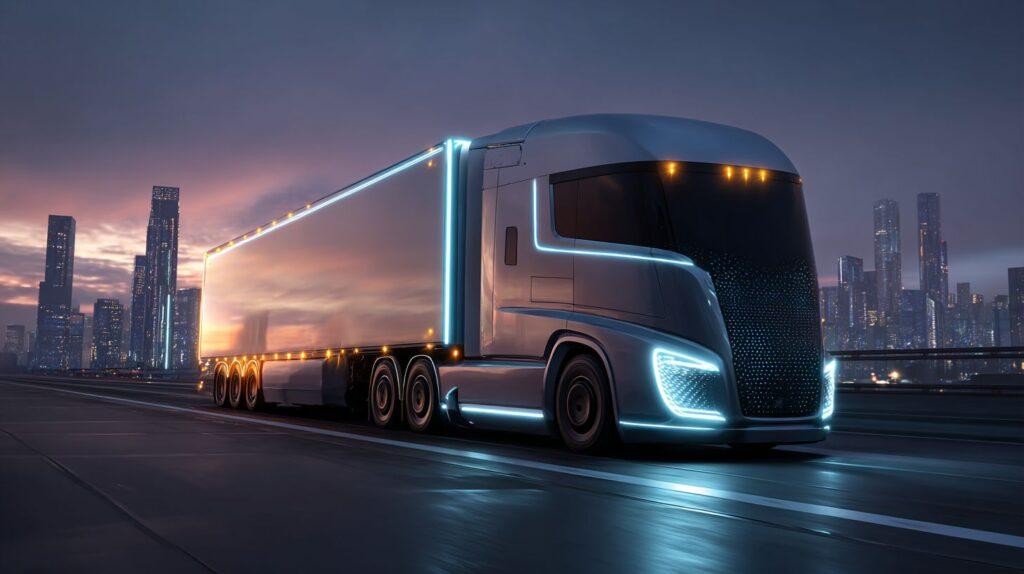
Commercial transport is likely to become one of the biggest beneficiaries of AI-driven electric mobility.
Electric trucks, autonomous delivery vehicles, AI logistics systems, and smart route optimisation are rapidly transforming freight and transport industries. AI systems can optimise:
- Delivery routes
- Fleet charging schedules
- Energy consumption
- Driver behaviour
- Maintenance planning
- Traffic avoidance
Electric commercial vehicles may also reduce fuel costs significantly while improving sustainability targets.
Major global logistics companies are already trialling autonomous delivery systems and electric freight vehicles. In the coming decade, this sector could experience one of the fastest rates of transport transformation.
The Role of Governments and Regulation
Government policy will play a major role in determining how quickly AI-driven mobility expands. Many governments are now introducing:
- EV incentives
- Charging infrastructure investment
- Emissions regulations
- Autonomous testing frameworks
- Renewable energy policies
- Smart city initiatives
Countries that invest aggressively into future mobility infrastructure may become global leaders in:
- Advanced manufacturing
- battery development
- AI systems
- transport technology
- smart infrastructure
Australia and New Zealand are also beginning to see increasing interest in electric mobility.
As charging infrastructure expands and EV adoption increases, the region may eventually become a strong market for advanced electric transport systems.
Challenges Still Facing Autonomous Mobility
Despite enormous progress, several major challenges remain.
These include:
- Regulatory uncertainty
- Infrastructure limitations
- Cybersecurity concerns
- Public trust issues
- High development costs
- Ethical decision-making systems
- Extreme weather conditions
- Sensor reliability
Autonomous systems must also prove themselves capable of handling highly complex real-world situations. Urban environments can present enormous challenges involving unpredictable pedestrians, cyclists, construction zones, poor weather, unusual traffic behaviour, and changing road conditions.
Achieving full public confidence may still take considerable time. However, the pace of development continues to accelerate rapidly.
The Competitive Global Race
The race to dominate AI-driven mobility has become one of the biggest technology competitions in the world.
Countries and corporations are investing extraordinary amounts of money into:
- EV development
- autonomous systems
- battery production
- AI software
- charging infrastructure
- semiconductor technology
China, the United States, Europe, South Korea, and Japan are all competing aggressively for leadership in future mobility. This competition is accelerating innovation at remarkable speed.
Consumers are already benefiting from:
- improved vehicle performance
- lower battery costs
- smarter software
- increased driving range
- more advanced safety systems
Over the next decade, the rate of advancement may become even faster.
The Future of AI-Driven Electric Mobility
The future of transport is clearly moving towards electrification, intelligence, connectivity, and automation.
AI-driven electric vehicles are expected to fundamentally reshape how society approaches mobility.
Future vehicles may eventually become safer, smarter, cleaner, quieter, more efficient, and increasingly autonomous.
Transport systems themselves may evolve into fully connected intelligent ecosystems capable of dynamically managing energy, traffic flow, logistics, safety, and infrastructure.
For consumers, this could create a dramatically different mobility experience from anything previously seen in automotive history.
The automotive industry is no longer simply about engines, horsepower, and mechanical engineering.
It is rapidly becoming a technology-driven industry built around software, artificial intelligence, energy systems, data analytics, and intelligent connectivity.
The companies, governments, and innovators leading this transformation today are likely to shape the future of global transport for decades to come.
One thing is now becoming increasingly clear. The age of AI-driven electric mobility has already begun.