
The future of transport is no longer simply about vehicles. While electric cars, autonomous trucks, robotaxis, and flying vehicles are attracting enormous attention, another equally important transformation is taking place behind the scenes — the development of intelligent infrastructure designed to support the next generation of mobility.
Around the world, governments, technology firms, infrastructure developers, and urban planners are investing heavily into:
- Smart roads
- Connected traffic systems
- AI-controlled transport infrastructure
- Intelligent cities
- Digital communication networks
- Future mobility ecosystems
The reason is clear. Future transport systems involving autonomous vehicles, electric mobility, AI-managed logistics, smart charging networks, and connected transport platforms cannot operate efficiently using outdated infrastructure designed for the last century.
The roads, intersections, traffic systems, charging infrastructure, communication networks, and energy systems of the future must themselves become intelligent. This shift towards connected cities and smart mobility infrastructure may become one of the most important technological transitions of the modern era.
What Are Smart Roads?
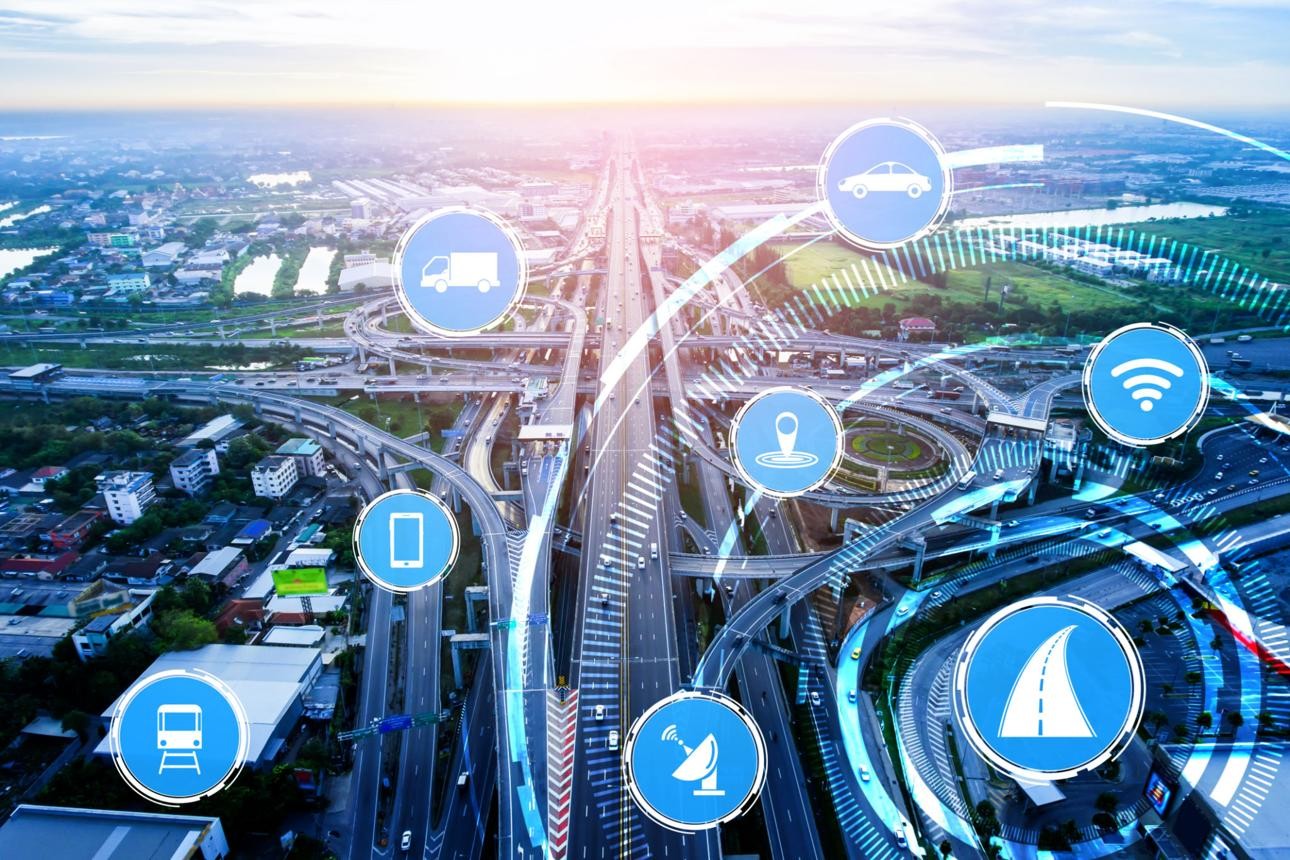
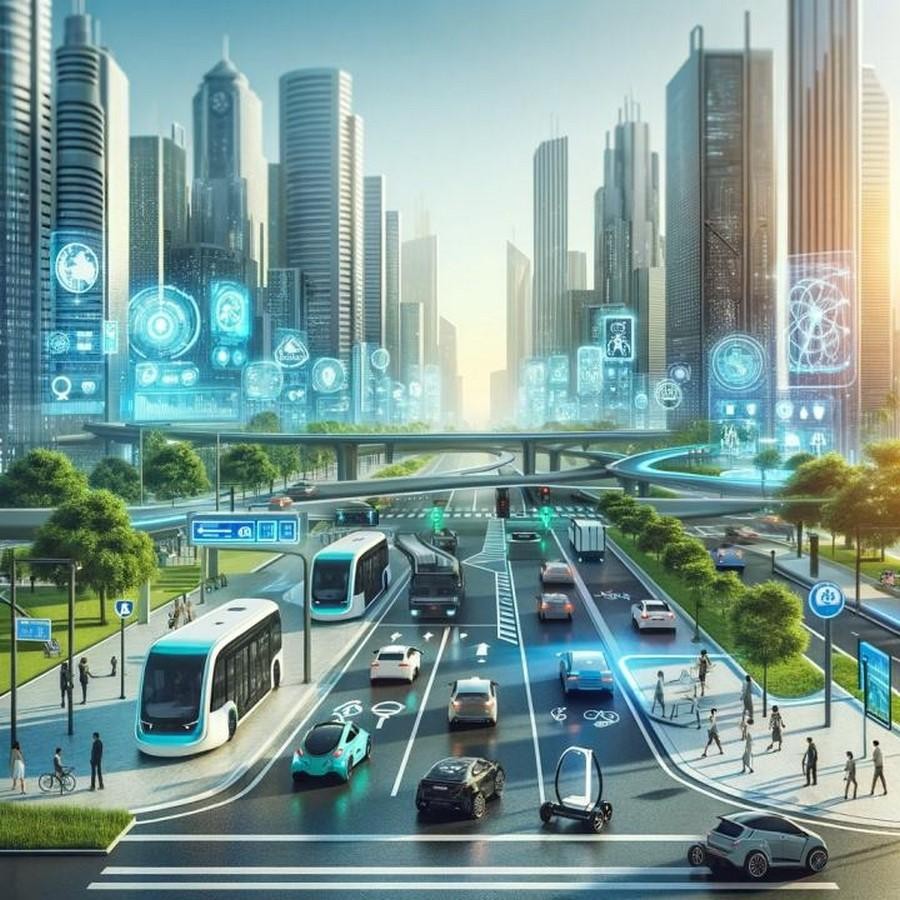
Smart roads are transport systems designed to interact intelligently with vehicles, traffic infrastructure, energy systems, and urban networks. Unlike traditional roads, future smart infrastructure may include:
- Embedded sensors
- AI traffic management
- Real-time monitoring systems
- Connected communication networks
- Intelligent lighting
- Dynamic signage
- Wireless charging capability
- Autonomous vehicle integration
These systems continuously collect and analyse data relating to traffic flow, congestion, accidents, weather conditions, road hazards, vehicle movement, and energy demand. Artificial intelligence then uses this information to optimise transport efficiency in real time. The goal is to create safer, cleaner, faster, and more efficient mobility systems.
Why Traditional Infrastructure Is No Longer Enough
Modern cities are facing increasing transport pressures involving population growth, urban congestion, emissions concerns, infrastructure overload, freight demand, and parking shortages. Traditional road systems were never designed for autonomous vehicles, electric charging integration, AI-managed traffic, and connected transport ecosystems.
As future mobility evolves, infrastructure itself must evolve alongside it. Without smart infrastructure, future autonomous and electric mobility systems may struggle to operate efficiently at large scale.
AI-Controlled Traffic Management
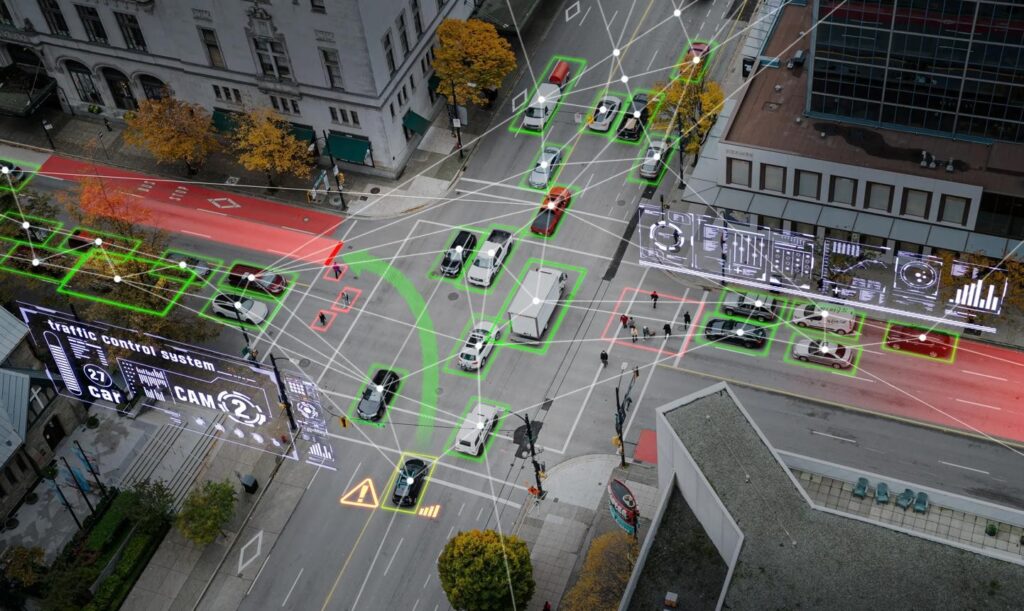
One of the biggest developments in connected cities is AI-managed traffic control. Traditional traffic systems typically rely upon fixed timing patterns. Future AI systems may dynamically adjust traffic conditions in real time based upon:
- Congestion levels
- Emergency vehicle movement
- Accidents
- Weather
- Traffic density
- Pedestrian activity
AI-controlled systems may help reduce congestion, improve traffic flow, shorten travel times, reduce emissions, and improve emergency response. Vehicles themselves may eventually communicate directly with intersections and traffic systems, creating the possibility of highly coordinated intelligent mobility networks.
Vehicle-to-Infrastructure Communication
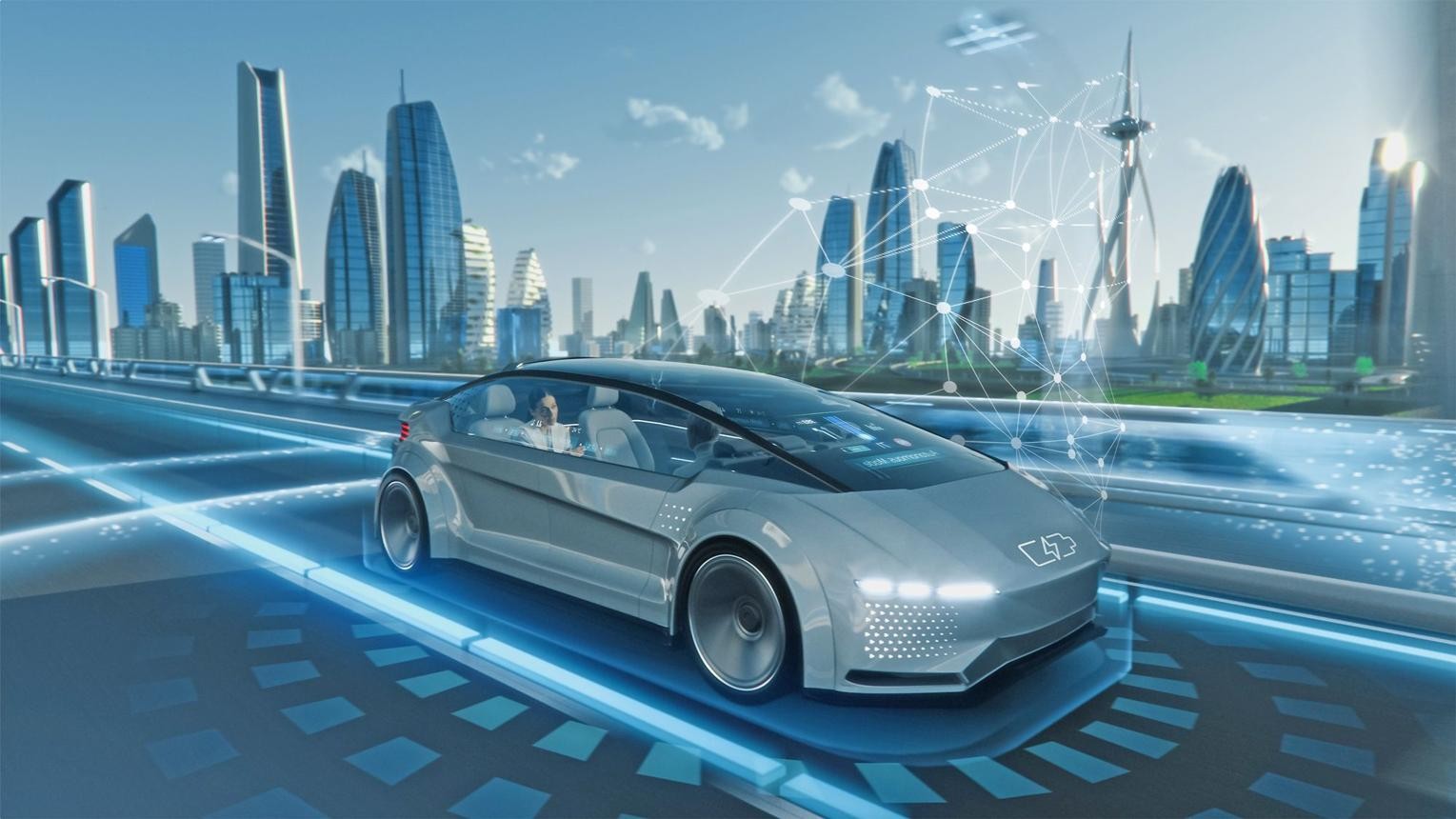
Future connected mobility systems will increasingly rely upon communication between vehicles and infrastructure. This is known as V2I communication or vehicle-to-infrastructure technology. Vehicles may communicate directly with:
- Traffic lights
- Road sensors
- Smart intersections
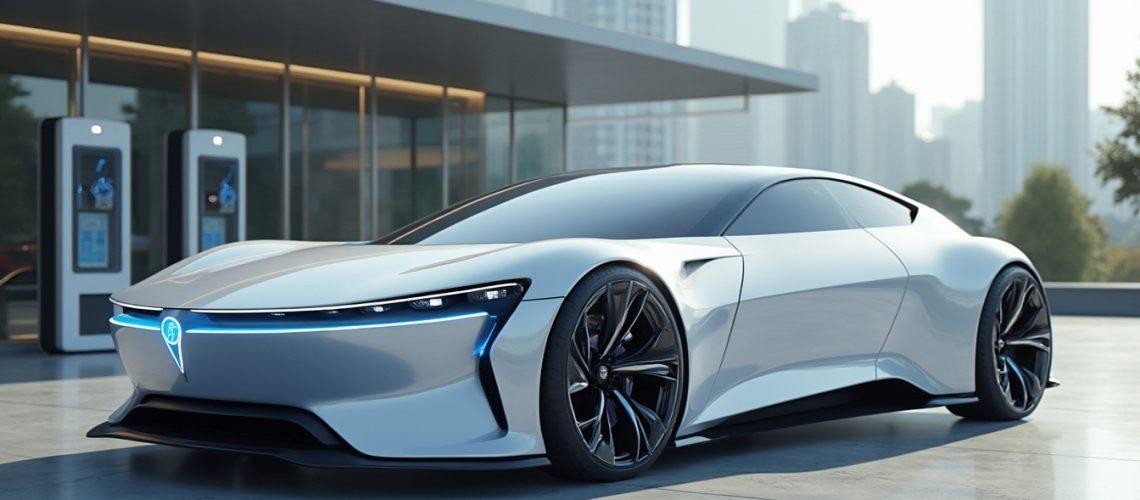
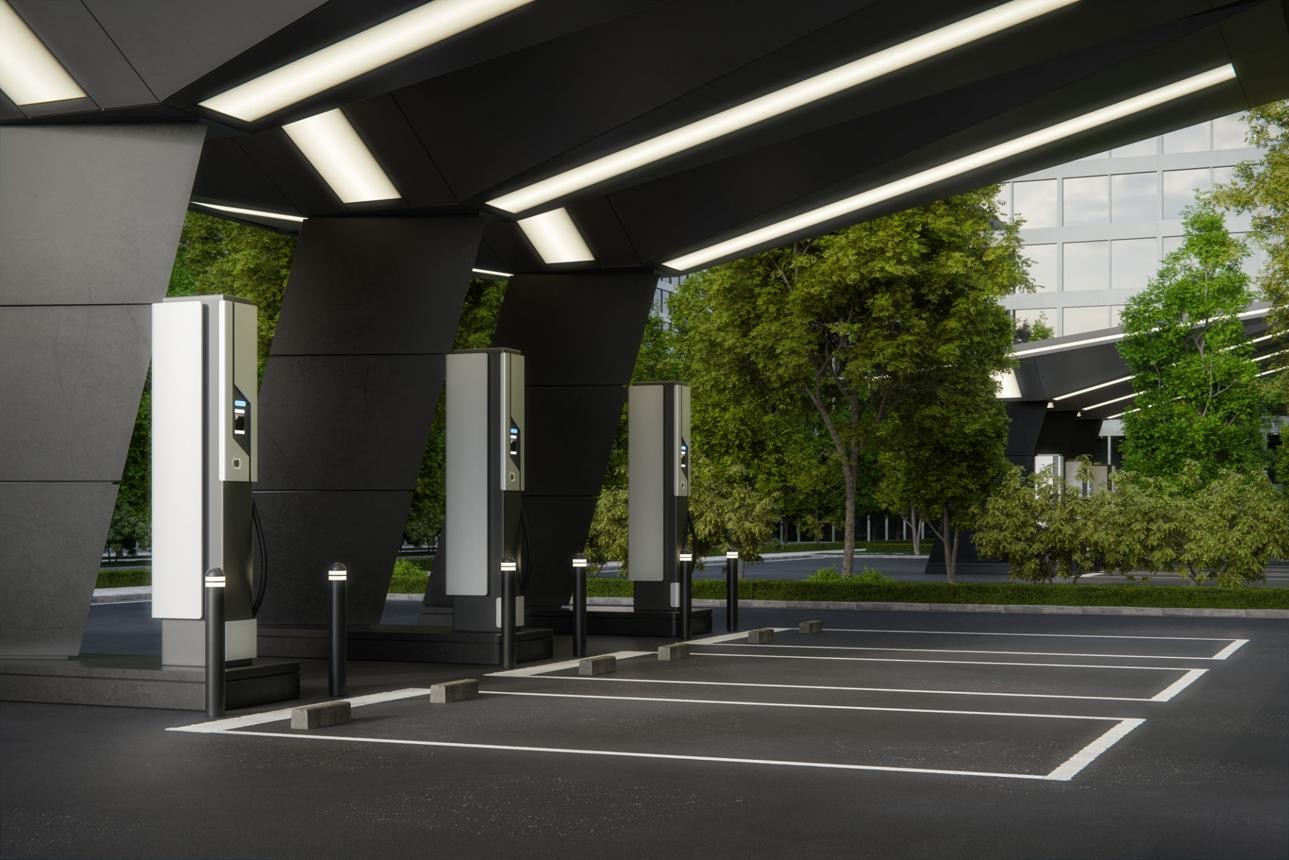
- Charging stations
- Emergency systems
- Navigation networks
This allows transport systems to operate more intelligently. For example, traffic lights may adapt automatically to traffic conditions, vehicles may receive hazard warnings instantly, congestion may be avoided dynamically, and emergency routes may be prioritised automatically. This level of connectivity could dramatically improve transport efficiency and safety.
Smart Roads and Autonomous Vehicles
Autonomous vehicles depend heavily upon accurate environmental awareness. Smart roads may significantly improve autonomous navigation capability by providing:
- Real-time traffic data
- Digital mapping updates
- Hazard detection
- Lane guidance
- Weather monitoring
- Intersection coordination
Future autonomous systems may function far more effectively when integrated with intelligent infrastructure. Instead of relying solely upon onboard sensors, vehicles may gain access to broader infrastructure intelligence. This could improve safety, reliability, navigation accuracy, and congestion management, making connected infrastructure essential for large-scale autonomous mobility.
Wireless Charging Roads
One of the most fascinating future developments involves wireless charging infrastructure. Researchers are already exploring roads capable of wirelessly charging electric vehicles while driving or parked. If commercialised successfully, this technology could:
- Reduce range anxiety
- Minimise charging downtime
- Reduce battery size requirements
- Improve fleet efficiency
- Support autonomous mobility systems
Future smart roads may integrate embedded charging coils, renewable energy systems, dynamic power management, and AI-controlled energy distribution. Although still developing, wireless charging infrastructure could become highly important for future mobility ecosystems.
Smart Cities and Integrated Mobility
Connected cities are about far more than transport alone. Future smart cities may integrate energy systems, public transport, charging infrastructure, autonomous mobility, AI traffic control, environmental monitoring, and emergency response systems. Everything may become interconnected through advanced digital networks.
Future mobility systems may eventually coordinate buses, trains, autonomous taxis, freight systems, personal vehicles, and aerial mobility platforms. This integrated ecosystem could significantly improve urban efficiency and liveability.
Reducing Congestion Through Intelligent Infrastructure
Traffic congestion remains one of the biggest challenges facing major cities worldwide. Congestion creates economic losses, increased emissions, wasted energy, longer commuting times, and reduced productivity. Smart infrastructure may help reduce congestion through:
- Dynamic traffic optimisation
- Intelligent route management
- Autonomous coordination
- Predictive analytics
- AI-managed intersections
Future transport systems may become significantly more efficient than current traffic models, which could dramatically improve urban mobility.
The Role of Big Data and Real-Time Analytics
Future mobility infrastructure will generate enormous amounts of data. Smart transport systems continuously monitor traffic flow, vehicle behaviour, infrastructure performance, energy demand, weather conditions, and pedestrian activity. AI systems analyse this information in real time to optimise network performance.
This data-driven approach may allow cities to improve planning, reduce congestion, manage infrastructure maintenance, optimise energy usage, and improve emergency response. Data analytics may become one of the most important tools within future urban mobility systems.
Environmental Benefits of Smart Infrastructure
Connected cities may also significantly improve environmental sustainability. Potential benefits include:
- Reduced emissions
- Lower fuel consumption
- Improved traffic efficiency
- Greater renewable integration
- Better energy management
Electric mobility combined with intelligent infrastructure may dramatically reduce urban pollution levels. Future cities may become quieter, cleaner, more energy efficient, and less congested, which is becoming increasingly important as urban populations continue growing globally.
Smart Infrastructure and Commercial Logistics
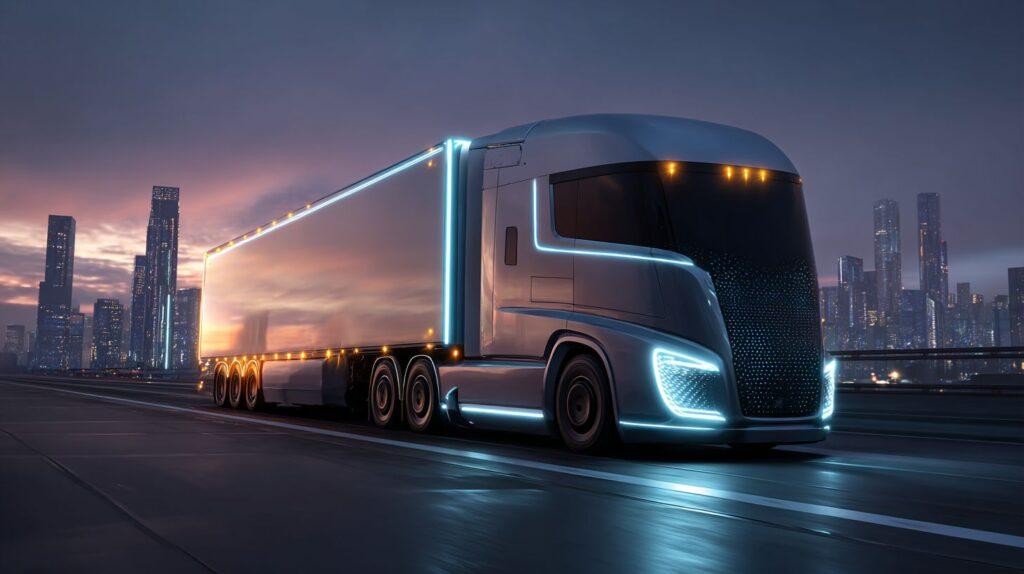
Commercial transport systems may become one of the biggest beneficiaries of connected infrastructure. AI-managed freight systems may optimise delivery routes, charging schedules, loading operations, traffic avoidance, and fleet deployment.
Smart ports, autonomous logistics hubs, and connected freight corridors may significantly improve supply chain efficiency. Commercial logistics networks themselves may eventually operate as highly intelligent interconnected ecosystems.
Cybersecurity and Digital Risks
As infrastructure becomes increasingly connected, cybersecurity also becomes critically important. Future smart cities must protect against:
- Hacking
- System disruptions
- Data breaches
- AI manipulation
- Network failures
Transport infrastructure may eventually become one of the most strategically important digital systems within modern society. Protecting these networks will require advanced cybersecurity, AI threat detection, encrypted communication, and resilient digital architecture, making cybersecurity just as important as physical infrastructure itself.
Governments and Infrastructure Investment
Governments worldwide are now investing heavily into smart infrastructure programs. Future mobility requires enormous upgrades involving digital communication systems, charging infrastructure, renewable energy integration, AI transport management, and smart urban planning.
Countries leading infrastructure modernisation may gain significant competitive advantages in technology, logistics, sustainability, economic efficiency, and future mobility leadership. Infrastructure investment may become one of the biggest economic sectors of the next decade.
Australia and New Zealand’s Smart Mobility Future
Australia and New Zealand may eventually become strong adopters of smart mobility systems. The region already possesses a growing renewable energy sector, expanding EV adoption, strong technology capability, and increasing infrastructure investment.
Future smart mobility systems may become particularly valuable within growing urban centres, tourism regions, freight corridors, coastal infrastructure, and smart regional development. However, the large geographic distances across Australia may also create unique infrastructure challenges requiring specialised planning.
The Future of Connected Cities
The future city may operate very differently from modern urban environments. Future mobility ecosystems may involve autonomous transport, AI traffic control, integrated charging systems, connected public transport, intelligent logistics, and renewable-powered infrastructure.
Transport itself may become more efficient, more automated, safer, cleaner, and increasingly interconnected. The cities that successfully adopt intelligent infrastructure early may become global leaders in future mobility and urban development.
The Infrastructure Revolution Behind Future Mobility
While electric vehicles and autonomous transport often receive most public attention, the infrastructure supporting future mobility may ultimately prove just as important. Without intelligent roads, connected systems, AI-controlled networks, and advanced digital infrastructure, future mobility cannot operate efficiently at scale.
The transition towards connected cities is already underway. Smart infrastructure may eventually become the foundation upon which future transport, logistics, energy systems, and urban living are built.
The future of mobility is not simply about smarter vehicles. It is about creating entire intelligent ecosystems where vehicles, infrastructure, energy systems, and cities all work together seamlessly. That transformation has already begun.