

The electric vehicle revolution is accelerating rapidly across the world. Governments, automotive manufacturers, technology firms, and consumers are all increasingly embracing electric mobility as the future of transport. However, despite enormous progress in battery technology and vehicle performance, one issue has remained central to widespread EV adoption — charging convenience.
For many potential buyers, charging speed still influences purchasing decisions. While modern electric vehicles are already practical for many drivers, concerns surrounding charging times, infrastructure availability, and long-distance travel continue shaping public perception.
This is why the next generation of ultra-fast EV charging systems may become one of the most important developments in the future mobility industry.
Around the world, billions of dollars are now being invested into:
- High-speed charging infrastructure
- Intelligent charging networks
- Megawatt charging systems
- Smart energy management
- AI-controlled charging technology
- Future renewable energy integration
The goal is clear. Future charging systems must become:
- Faster
- Smarter
- More reliable
- More accessible
- More scalable
If this transformation succeeds, electric mobility could become dramatically more attractive to mainstream consumers, logistics operators, commercial fleets, and future autonomous transport systems.

The Evolution of EV Charging Technology
Electric vehicle charging technology has advanced enormously over the past decade. Early EV systems primarily relied upon relatively slow home charging methods. While practical for overnight charging, these systems were not ideal for rapid long-distance travel.
Today, charging technology has evolved significantly. Modern infrastructure now includes:
- Home AC charging
- Commercial destination charging
- Public DC fast charging
- Ultra-fast highway charging systems
- Smart charging networks
- Fleet charging depots
Charging speeds have increased dramatically. Many newer EVs can now recover hundreds of kilometres of driving range within relatively short charging sessions. However, the newest generation of charging systems aims to go much further.
Future infrastructure is increasingly focusing upon:
- 350kW charging
- 500kW charging
- Megawatt charging systems
- Dynamic AI-managed charging
- Ultra-high efficiency energy delivery
This next phase of charging innovation may fundamentally reshape future transport systems.
Why Charging Speed Matters So Much
Convenience remains one of the biggest reasons consumers continue purchasing petrol and diesel vehicles. Traditional refuelling typically takes only minutes. Even though many EV owners charge overnight at home, public perception still strongly focuses upon charging speed during:
- Long-distance travel
- Holidays
- Regional driving
- Commercial operations
- Fleet transport
Ultra-fast charging directly addresses these concerns. If charging systems can deliver substantial driving range within very short timeframes, electric vehicles become far more competitive against traditional combustion vehicles.
Future ultra-fast charging may allow:
- Rapid interstate travel
- Improved tourism mobility
- Efficient freight logistics
- Reduced commercial downtime
- Seamless urban charging experiences
The psychological impact of charging convenience may become just as important as the technical capability itself.
Understanding Ultra-Fast DC Charging
Most ultra-fast EV charging systems rely upon direct current (DC) technology. Unlike slower alternating current (AC) home chargers, DC charging delivers electricity directly into the vehicle battery at extremely high power levels. This significantly reduces charging times.
Modern ultra-fast charging stations commonly operate between:
- 150kW
- 250kW
- 350kW
However, future systems may soon exceed:
- 500kW
- 1 megawatt
Megawatt charging systems are particularly important for:
- Electric trucks
- Commercial freight vehicles
- Buses
- Marine systems
- Industrial transport equipment
Heavy transport sectors require extremely rapid charging to minimise operational interruptions. As commercial electrification expands, megawatt charging may become one of the most important infrastructure technologies in the world.
AI and Intelligent Charging Networks
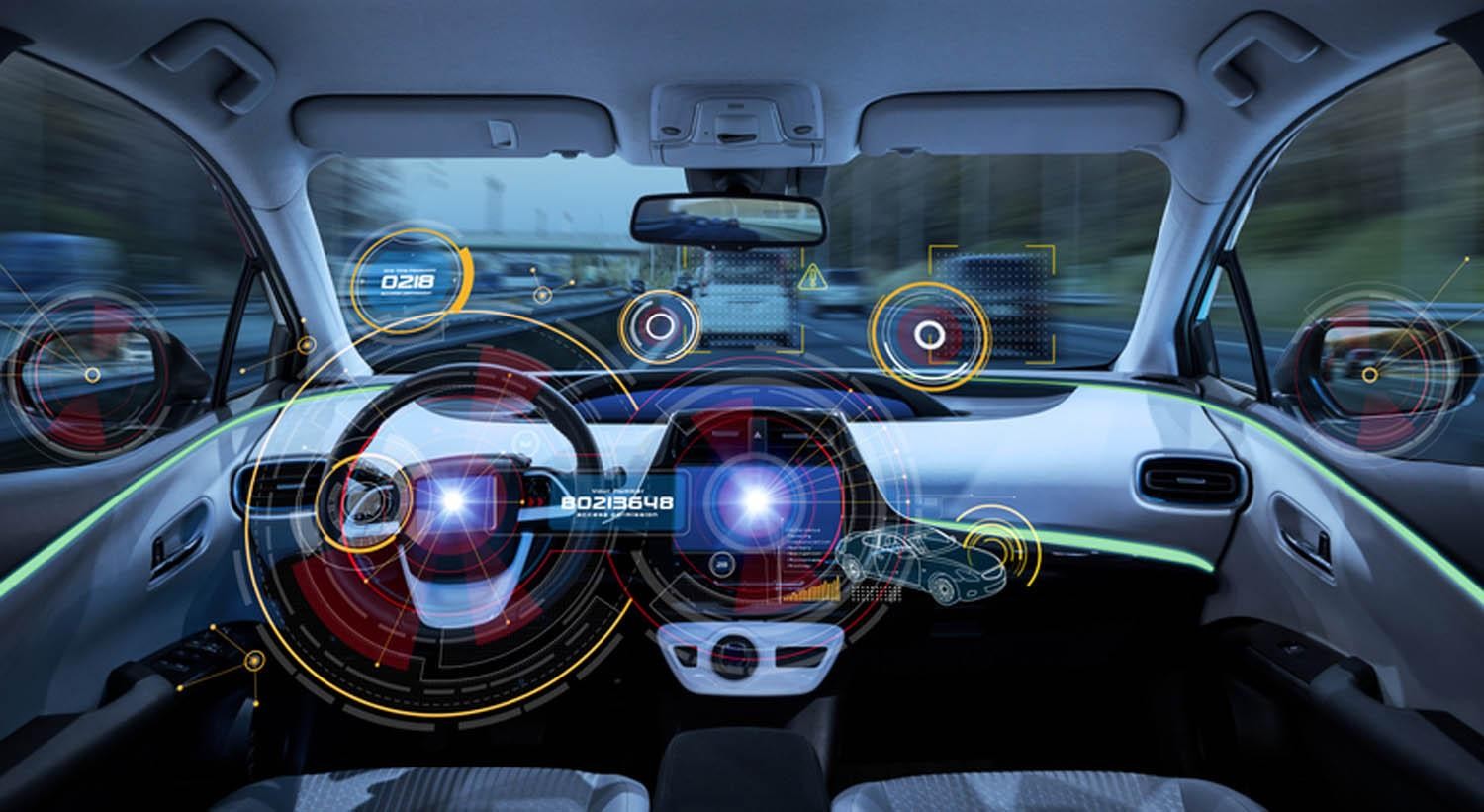
Artificial intelligence is becoming increasingly important within future charging systems. The next generation of charging infrastructure is expected to become highly intelligent and interconnected.
AI may help optimise:
- Charging demand
- Energy pricing
- Grid stability
- Charging station availability
- Route planning
- Battery health management
- Charging efficiency
Future charging systems may communicate directly with:
- Vehicles
- Energy grids
- Renewable power systems
- Home energy networks
- Autonomous transport systems
This interconnected environment could significantly improve overall transport efficiency. AI-managed charging may also help balance electrical demand during peak usage periods, reducing stress upon power infrastructure.
The Role of Renewable Energy
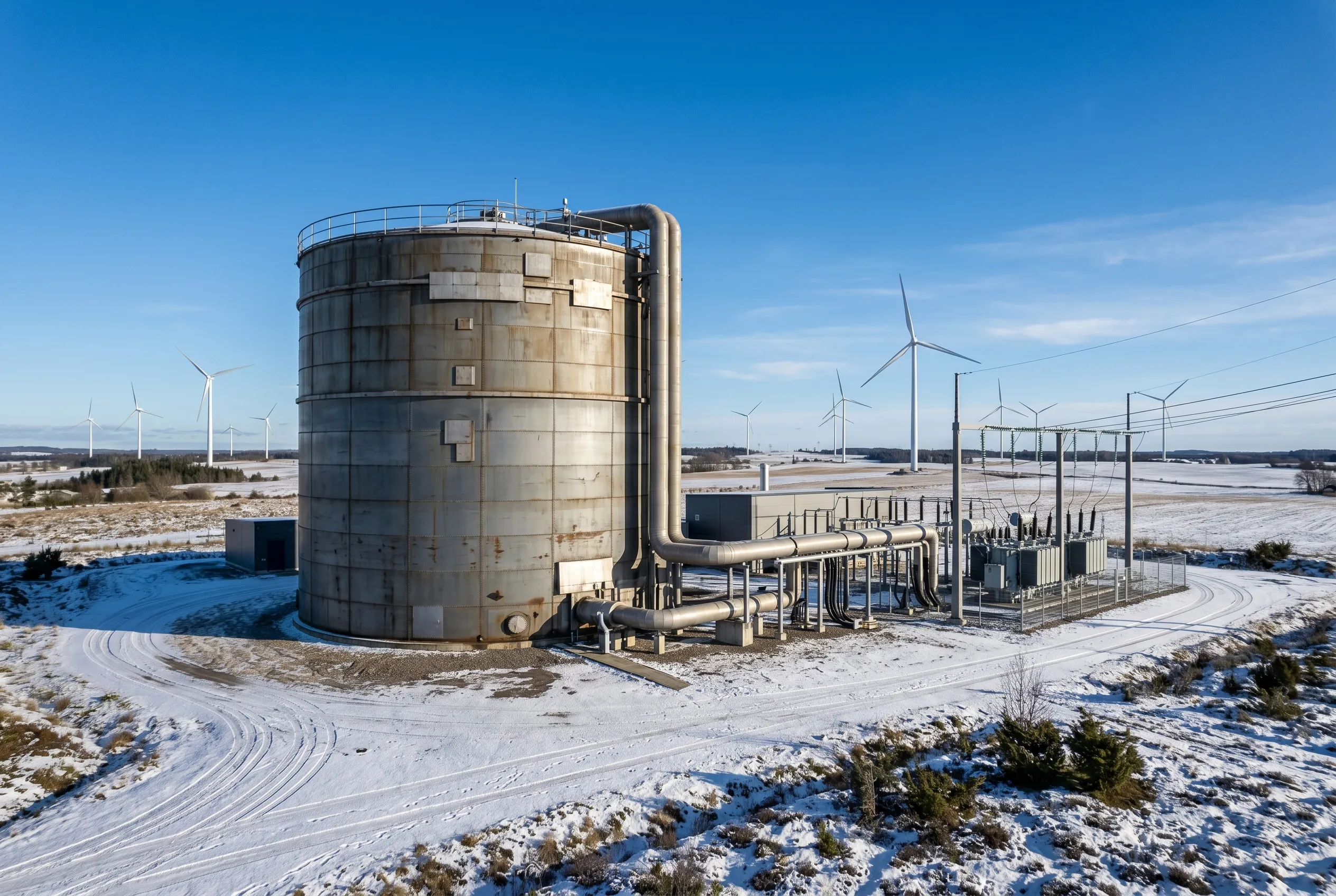
One of the most exciting aspects of future charging infrastructure is its integration with renewable energy systems. As solar, wind, hydro, and battery storage technologies continue expanding, future charging networks may increasingly operate using renewable energy.
This creates several potential advantages:
- Lower emissions
- Improved sustainability
- Reduced operating costs
- Greater energy independence
- Smarter grid balancing
Future charging stations may eventually include:
- Integrated battery storage
- Solar charging systems
- AI-controlled energy optimisation
- Dynamic pricing systems
This could create a far more efficient and environmentally sustainable transport ecosystem.
Charging Infrastructure Expansion Worldwide
Governments and private industry are racing to build charging networks at extraordinary speed. Massive infrastructure investment is now occurring across:
- Highways
- Urban centres
- Apartment developments
- Shopping precincts
- Logistics hubs
- Regional transport corridors
Countries leading charging infrastructure development may gain significant competitive advantages within the future mobility sector. Strong infrastructure helps accelerate:
- EV adoption
- Fleet electrification
- Renewable integration
- Industrial electrification
- Future autonomous transport systems
Australia and New Zealand are also steadily expanding charging infrastructure. As regional charging networks improve, long-distance EV travel becomes increasingly practical across both countries.
The Rise of Megawatt Charging Systems
Megawatt charging represents one of the biggest future developments in EV infrastructure. Heavy transport systems require enormous energy capacity. Electric trucks, commercial freight vehicles, marine systems, and future industrial transport platforms cannot afford lengthy charging interruptions.
Megawatt charging systems may eventually allow:
- Ultra-rapid commercial charging
- Minimal fleet downtime
- Continuous logistics operations
- Faster freight efficiency
- Expanded heavy transport electrification
This could significantly accelerate the transition away from diesel-powered heavy transport systems. The commercial implications are enormous.
Vehicle-to-Grid Technology
Future electric vehicles may eventually become more than simply transport devices. Vehicle-to-grid technology allows EVs to supply electricity back into homes, businesses, or public power systems. This creates fascinating possibilities.
Future EVs may function as:
- Mobile battery systems
- Emergency backup power supplies
- Renewable energy storage units
- Smart energy balancing systems
Potential advantages include:
- Improved grid stability
- Reduced energy costs
- Renewable energy balancing
- Emergency energy support
As AI-managed energy systems become more sophisticated, electric vehicles may play a much larger role within broader energy infrastructure.
Wireless Charging Could Change Everything
Wireless charging technology is also advancing rapidly. Future systems may eventually allow vehicles to charge:
- Automatically while parked
- At traffic lights
- In parking spaces
- Or even while driving on specially designed roads
Although still developing, wireless charging could dramatically improve convenience. Autonomous vehicles may particularly benefit because they could recharge automatically without human involvement. Future smart cities may eventually integrate wireless charging directly into transport infrastructure.
Commercial Transport Transformation
Commercial transport may become one of the biggest beneficiaries of ultra-fast charging. Fleet operators place enormous importance upon:
- Operational efficiency
- Reliability
- Downtime reduction
- Route optimisation
- Fuel cost management
Ultra-fast charging helps improve all these areas. Future AI-managed logistics fleets may optimise:
- Charging schedules
- Energy consumption
- Traffic routing
- Vehicle deployment
- Maintenance timing
This could fundamentally transform freight economics over the coming decade.
Challenges Still Facing the Industry
Despite enormous progress, several major challenges remain. These include:
- Electrical grid capacity
- Infrastructure costs
- Regional coverage gaps
- Charger compatibility
- Battery heat management
- Peak demand balancing
Building widespread ultra-fast charging infrastructure requires substantial long-term investment. Power grids must also evolve to support increased demand. However, technological progress continues moving rapidly. As infrastructure expands and costs decline, charging networks are expected to become increasingly practical and widespread.
The Future of Charging Convenience
The future of EV charging may become almost invisible to consumers. Future systems may automatically:
- Reserve charging stations
- Optimise charging times
- Balance energy pricing
- Integrate with navigation systems
- Coordinate with smart homes
Charging itself may eventually become a seamless background process rather than a conscious inconvenience. This transformation could significantly accelerate electric mobility adoption worldwide.

Australia and New Zealand’s Opportunity
Australia and New Zealand are well positioned to benefit from future charging technology advancements. The region possesses:
- Growing renewable energy capacity
- Increasing EV adoption
- Strong regional travel demand
- Expanding infrastructure investment
As charging networks continue improving, electric mobility may become increasingly attractive throughout:
- Metropolitan areas
- Coastal regions
- Tourism destinations
- Regional transport corridors
This may create significant opportunities across tourism, marine electrification, commercial transport, renewable integration, and future mobility innovation.
The Future of Electric Mobility
Ultra-fast charging systems are about far more than convenience. They represent one of the key technologies required to fully transition society towards electric mobility.
As charging becomes faster, smarter, cleaner, more automated, and more accessible, electric vehicles become increasingly capable of replacing traditional fuel-powered transport across nearly every sector.
The next decade may witness one of the most significant infrastructure transitions in modern transport history. Ultra-fast charging systems will sit directly at the centre of that transformation.
The future of mobility is no longer simply about vehicles themselves. It is about creating an entire intelligent transport ecosystem built around:
- Electrification
- Connectivity
- AI
- Renewable energy
- Smart infrastructure
The companies and nations leading this transition today may shape the future of transport for generations to come.
See More at www.vectorwatercraft.com.au