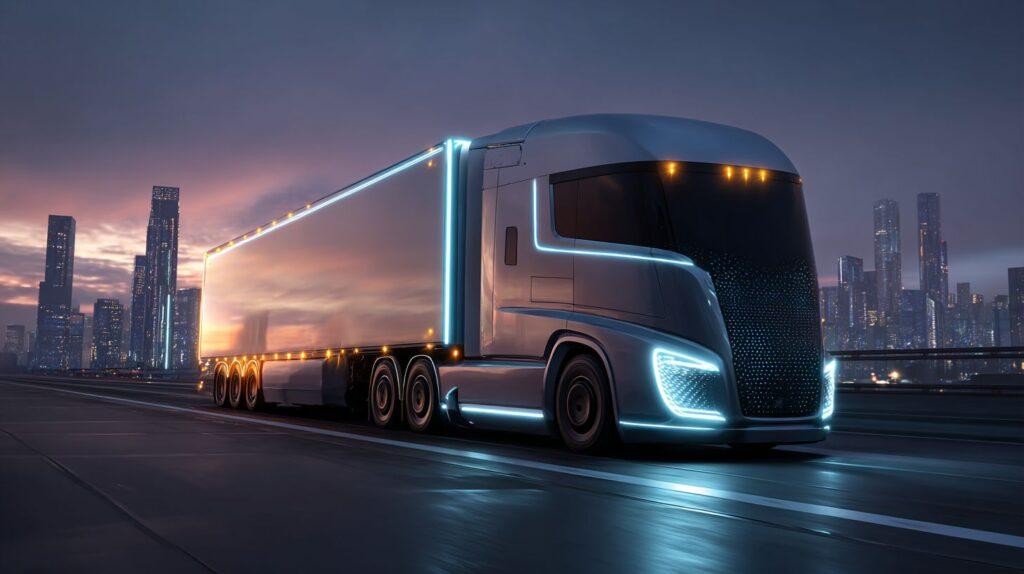
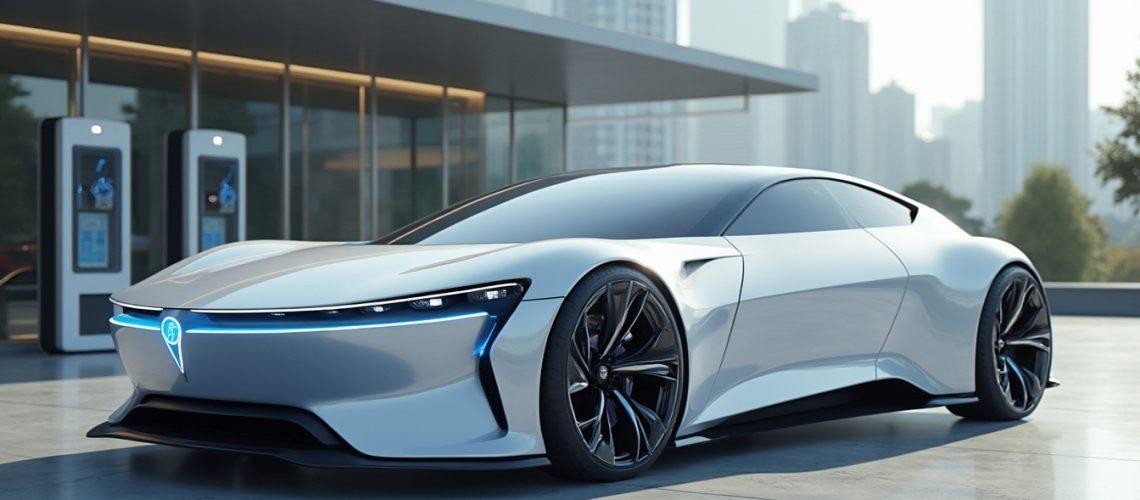

The future of transport is rapidly evolving towards cleaner, smarter, and more sustainable mobility systems. Electric vehicles are currently leading much of this transformation, with battery-powered transport expanding rapidly across passenger cars, commercial fleets, marine systems, and future autonomous mobility platforms.
However, another major technology is also beginning to attract increasing global attention — hydrogen mobility. Around the world, governments, automotive manufacturers, energy companies, and industrial developers are investing heavily in hydrogen-powered transport systems designed to complement electrification and potentially solve some of the limitations associated with battery-only mobility.
Hydrogen technology is now being explored across:
- Passenger vehicles
- Heavy transport
- Buses
- Freight logistics
- Marine applications
- Aviation
- Industrial mobility systems
The future of mobility may not belong to a single technology alone. Instead, many experts now believe battery-electric systems and hydrogen-powered transport may eventually operate side-by-side across different transport sectors.
The global race to develop clean transport solutions is accelerating rapidly. Hydrogen mobility may become one of the most important parts of that future.
What Is Hydrogen Mobility?
Hydrogen mobility refers to transport systems powered using hydrogen as an energy source. Most hydrogen vehicles use fuel cells. Fuel cells generate electricity through a chemical reaction between hydrogen and oxygen. The process produces electricity, heat, and water vapour.
Unlike traditional combustion engines, hydrogen fuel cells produce no harmful tailpipe emissions. This makes hydrogen an attractive potential solution for reducing transport-related emissions.
Hydrogen-powered vehicles operate similarly to electric vehicles because they use electric motors for propulsion. However, instead of storing large amounts of electricity within batteries alone, hydrogen vehicles generate electricity onboard using fuel cells.
Why Hydrogen Is Attracting So Much Attention
Hydrogen offers several important potential advantages within future mobility systems. These include:
- Rapid refuelling
- Long driving range
- Reduced charging downtime
- Suitability for heavy transport
- Energy storage flexibility
- Lower weight for certain applications
For some transport sectors, hydrogen may solve challenges that remain difficult for battery-electric systems alone. This is particularly important for long-haul freight, aviation, shipping, industrial transport, and large commercial fleets. As governments push towards lower-emission transport systems, hydrogen is increasingly being viewed as a possible complementary solution alongside battery electrification.
How Hydrogen Fuel Cell Vehicles Work
Hydrogen fuel cell vehicles store compressed hydrogen gas within onboard tanks. The hydrogen passes through a fuel cell system where it combines with oxygen from the air. This process generates electricity which powers electric motors.
Unlike battery-electric vehicles, fuel cell systems continuously generate electricity as long as hydrogen fuel is available. Key components include:
- Hydrogen storage tanks
- Fuel cells
- Electric motors
- Power management systems
- Battery buffers
Most hydrogen vehicles also contain smaller batteries to help manage energy demand and regenerative braking systems. The driving experience is generally very similar to electric vehicles because propulsion still relies upon electric motors.
Rapid Refuelling Is One of Hydrogen’s Biggest Advantages
One of the strongest advantages of hydrogen mobility is refuelling speed. Battery-electric vehicles still require charging time, even with ultra-fast charging systems. Hydrogen vehicles can typically refuel within only a few minutes.
This may become particularly valuable for freight transport, logistics fleets, buses, industrial vehicles, and long-distance commercial operations. Commercial fleet operators place enormous importance upon minimal downtime, operational efficiency, and continuous deployment. Hydrogen may offer advantages in applications where rapid turnaround is essential.
Long-Range Heavy Transport Applications
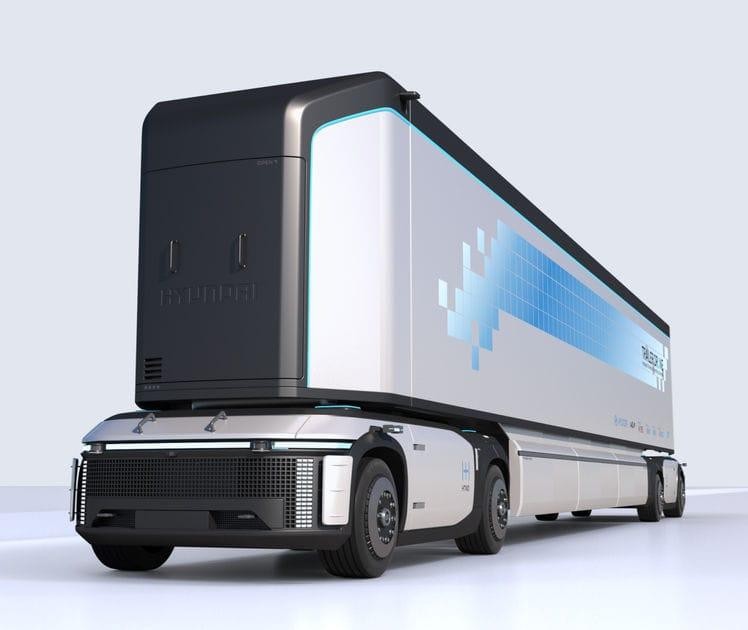
Heavy commercial transport remains one of the most challenging sectors for full battery electrification. Large freight vehicles require enormous battery capacity, substantial charging infrastructure, and long operating range.
Hydrogen fuel cells may provide important advantages within heavy trucking, mining transport, industrial logistics, marine freight, and long-haul operations. Hydrogen systems can potentially provide:
- Extended range
- Lower vehicle weight compared with massive battery packs
- Faster refuelling capability
This is one reason many governments and manufacturers are heavily investing in hydrogen freight systems.
Hydrogen and Future Aviation
Hydrogen is also attracting increasing attention within aviation. Electric aircraft face major battery weight limitations because aircraft require extremely high energy density, low weight, and extended range capability.
Hydrogen may eventually provide viable solutions for regional aircraft, future commercial aviation, aerial mobility systems, and drone transport. Several aerospace companies are already researching hydrogen-powered aviation concepts. Future hydrogen aviation could become one of the biggest transport developments of the coming decades.
Marine Transport and Hydrogen Systems
Hydrogen is also being explored heavily within marine sectors. Future marine applications may include ferries, cargo vessels, workboats, commercial shipping, and port infrastructure. Marine systems require high energy capacity, long operating endurance, and reduced emissions.
Learn more about the marine applications of hydrogen systems in watersportinnovations.com.au
Hydrogen may become highly valuable for certain marine applications where battery systems alone may prove less practical. As global emissions regulations tighten within maritime industries, hydrogen interest continues growing rapidly.
Green Hydrogen and Renewable Energy
The environmental value of hydrogen depends heavily upon how the hydrogen itself is produced. Currently, much hydrogen production still relies upon fossil fuels. However, future systems are increasingly focusing upon green hydrogen production using renewable energy, solar power, wind power, and hydroelectric systems.
Green hydrogen involves splitting water into hydrogen and oxygen using renewable electricity through electrolysis. If powered by renewable energy, hydrogen systems may become extremely clean energy solutions. This is one reason governments worldwide are investing heavily into green hydrogen infrastructure.
The Challenges Facing Hydrogen Mobility
Despite significant potential, hydrogen still faces several major challenges. These include:
- Infrastructure costs
- Hydrogen production efficiency
- Storage complexity
- Transport logistics
- Fuel station availability
- Production scalability
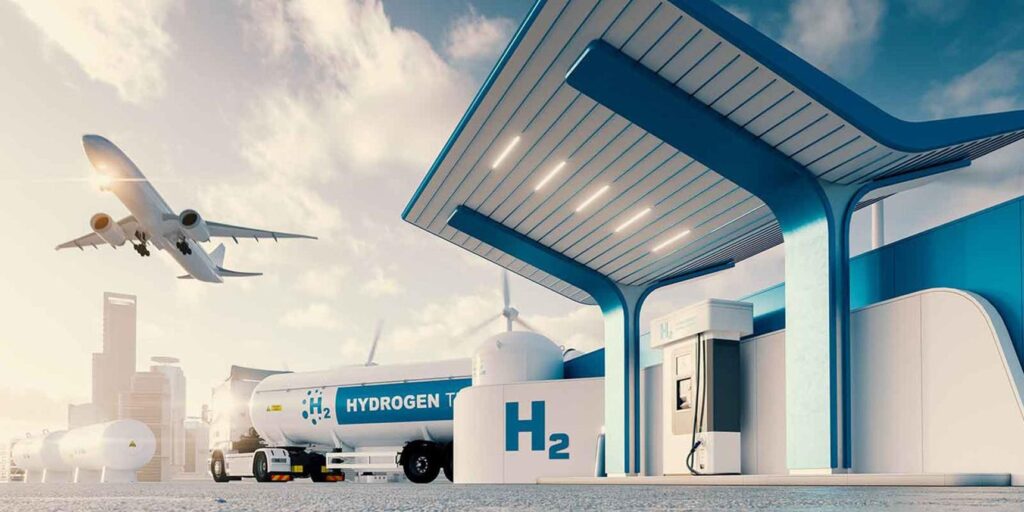
Hydrogen infrastructure remains far less developed than EV charging systems. Building widespread hydrogen refuelling networks requires major investment. Hydrogen storage itself also presents engineering challenges because the gas must often be stored at very high pressure.
Why Some Experts Prefer Battery-Electric Vehicles
Battery-electric systems currently hold several major advantages. These include existing charging infrastructure growth, improving battery technology, strong energy efficiency, falling battery costs, and simpler energy supply chains.
Battery-electric vehicles are generally more energy efficient because fewer energy conversion steps occur between power generation and vehicle propulsion. This means hydrogen and battery systems may ultimately serve different transport sectors rather than directly replacing one another.
The Possibility of a Dual-Technology Future
Many analysts now believe the future transport ecosystem may involve both battery-electric mobility and hydrogen-powered systems.
Battery-electric systems may dominate passenger vehicles, urban transport, short-range mobility, and consumer transport. Hydrogen may become more important for heavy freight, industrial systems, aviation, shipping, and high-demand commercial operations. This mixed approach may allow different technologies to serve applications where they perform best.
Governments Are Investing Heavily
Governments worldwide are investing billions into hydrogen research and infrastructure. Major hydrogen programs are now underway across Europe, Japan, South Korea, China, Australia, and the United States.
Hydrogen is increasingly viewed not only as a transport solution but also as an energy storage system, industrial fuel, and renewable balancing technology. Countries leading hydrogen infrastructure development may gain major long-term economic advantages.
Australia’s Potential Hydrogen Opportunity
Australia may become one of the most important hydrogen producers in the world. The country possesses vast renewable energy potential, strong solar capability, major industrial infrastructure, and export opportunities. Australia is already investing heavily into hydrogen development.
Future hydrogen production may support domestic transport, industrial energy systems, export industries, and marine fuel systems. New Zealand is also exploring renewable hydrogen opportunities as part of broader sustainability strategies.
AI and Smart Hydrogen Systems
Artificial intelligence is likely to play an important role within future hydrogen infrastructure. AI systems may help optimise hydrogen production, storage management, transport logistics, fuel distribution, fleet operation, and energy balancing.
Smart infrastructure may eventually integrate renewable energy, hydrogen systems, battery storage, and electric charging networks, creating highly efficient future mobility ecosystems.
The Future of Clean Transport
The transition towards cleaner mobility is accelerating rapidly. Future transport systems may involve battery-electric vehicles, hydrogen fuel cells, autonomous mobility, AI-managed infrastructure, and renewable energy integration. The future is unlikely to rely upon a single technology alone. Instead, multiple advanced energy systems may work together across different transport sectors.
Hydrogen mobility is still developing, but momentum is clearly building worldwide. The coming decades may witness one of the biggest energy and transport transitions in modern history. The nations and companies that successfully develop hydrogen infrastructure, renewable energy systems, AI-managed transport, and advanced mobility technology may ultimately shape the future global transport economy.
Hydrogen mobility is no longer simply theoretical. It is rapidly becoming part of the broader future mobility revolution already unfolding around the world.