


The global electric vehicle industry is advancing at a remarkable speed, yet one technology is now emerging that many experts believe could completely transform the future of transport — solid-state batteries. While lithium-ion batteries have driven the enormous rise of electric vehicles over the past decade, solid-state battery technology may represent the next major leap forward in performance, safety, efficiency, and practicality.
Around the world, automotive manufacturers, technology companies, energy specialists, and governments are investing billions of dollars into the development of commercially viable solid-state battery systems. The reason is simple. Whoever successfully masters this technology may gain one of the most significant competitive advantages in the future mobility sector.
For consumers, the promise is extremely attractive:
- Much longer driving ranges
- Dramatically faster charging
- Lighter battery systems
- Improved safety
- Longer battery life
- Greater efficiency
- Lower long-term costs
If solid-state technology achieves mass commercialisation, it could accelerate electric vehicle adoption worldwide and help reshape the future of transportation.
Understanding the Difference Between Lithium-Ion and Solid-State Batteries
Traditional lithium-ion batteries use liquid electrolytes to move lithium ions between the battery’s cathode and anode during charging and discharging. While this technology has been highly successful, liquid electrolytes also create limitations involving:
- Heat generation
- Battery degradation
- Weight
- Charging speed
- Fire risk
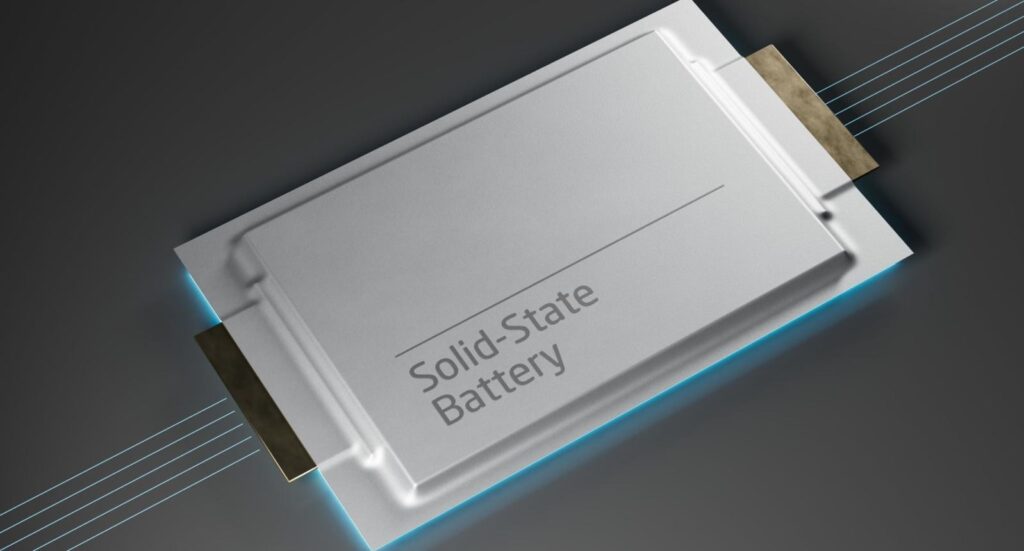
Solid-state batteries replace the liquid electrolyte with a solid material. This single change has the potential to create enormous improvements in battery performance and safety.
Because solid electrolytes are generally more stable and less flammable, they may significantly reduce the risk of overheating and thermal runaway. This could make future electric vehicles safer and more durable under demanding operating conditions.
At the same time, solid-state batteries may also allow much higher energy density, meaning more energy can be stored within a smaller and lighter battery pack. This is one of the major reasons the technology is attracting so much global attention.
Why Greater Energy Density Matters
Energy density is critically important in electric vehicles because it directly influences:
- Driving range
- Battery size
- Vehicle weight
- Acceleration
- Efficiency
The higher the energy density, the more power can be stored without increasing battery size or weight.
Many current EVs already provide excellent range for everyday driving. However, range anxiety still remains a concern for many buyers, particularly in countries with large travel distances such as Australia and New Zealand.
Solid-state batteries may eventually allow electric vehicles to travel:
- 800 kilometres
- 1,000 kilometres
- Or potentially even further
on a single charge.
At the same time, lighter battery systems could improve vehicle handling, efficiency, and performance. For performance vehicles, marine applications, commercial transport systems, and future autonomous mobility platforms, this could become enormously important.
Faster Charging Could Transform Consumer Acceptance
One of the biggest barriers to broader EV adoption remains charging speed. Although modern fast-charging systems are improving rapidly, many consumers still compare EV charging with the convenience of refuelling petrol vehicles.
Solid-state batteries may help close this gap dramatically. Researchers are developing systems capable of extremely fast charging rates that could potentially recharge batteries within:
- 10 minutes
- 8 minutes
- Or even less
under ideal conditions.
If this becomes commercially practical, electric mobility may become far more attractive to mainstream consumers. Ultra-fast charging would benefit:
- Long-distance travellers
- Logistics operators
- Rideshare fleets
- Taxis
- Delivery services
- Commercial transport systems
The convenience factor alone could significantly accelerate EV adoption worldwide.
Improved Safety Could Become a Major Selling Point
Safety remains one of the most important considerations in automotive engineering. While electric vehicle battery fires are relatively uncommon, traditional lithium-ion systems can become unstable under certain conditions involving:
- Physical damage
- Overheating
- Manufacturing defects
- Charging irregularities
Because solid-state batteries eliminate the highly flammable liquid electrolyte, they are widely regarded as potentially safer.
Potential safety advantages include:
- Reduced fire risk
- Improved thermal stability
- Lower cooling requirements
- Greater resistance to overheating
- Enhanced crash safety
For manufacturers, governments, insurers, and consumers, these improvements could become highly valuable. As electric vehicles become increasingly common throughout society, battery safety standards will continue growing in importance.
Why Global Manufacturers Are Racing Towards Solid-State Technology
The competition to commercialise solid-state batteries has become extremely intense. Many of the world’s largest automotive companies are now investing heavily into development programs. This includes:
- Toyota
- Volkswagen
- BMW
- Hyundai
- Nissan
- Mercedes-Benz
- Honda
- Ford
- Stellantis
Technology firms and specialist battery companies are also aggressively pursuing the sector. The reason is straightforward. The company that successfully delivers:
- Superior driving range
- Faster charging
- Improved safety
- Lower battery weight
- Greater reliability
may dominate the next generation of electric mobility.
Some manufacturers are already targeting limited production releases within the next few years. While technical challenges still exist, progress is accelerating rapidly.
Manufacturing Challenges Still Remain
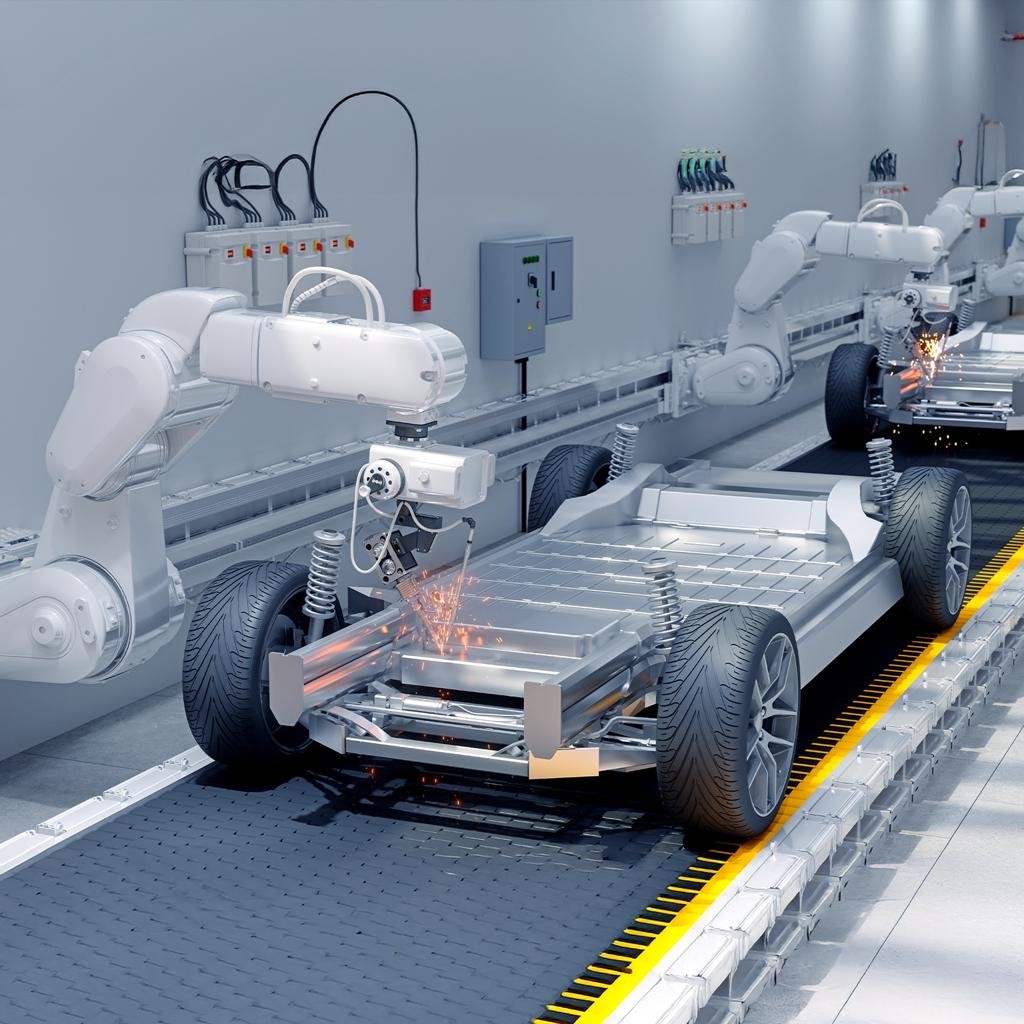
Despite enormous promise, solid-state battery technology still faces several major obstacles before widespread commercial rollout becomes possible. These challenges include:
- Manufacturing complexity
- High production costs
- Material stability
- Large-scale consistency
- Durability under repeated charging cycles
- Production scalability
Building batteries at laboratory level is very different from producing millions of reliable battery cells at industrial scale. Many existing battery factories were specifically designed around lithium-ion technology. Transitioning towards solid-state production may require:
- Entirely new manufacturing systems
- Advanced automation
- New supply chains
- Significant capital investment
This is one reason why many analysts believe lithium-ion batteries will continue dominating the market for several more years while solid-state technology matures.
How Solid-State Batteries Could Change Vehicle Design
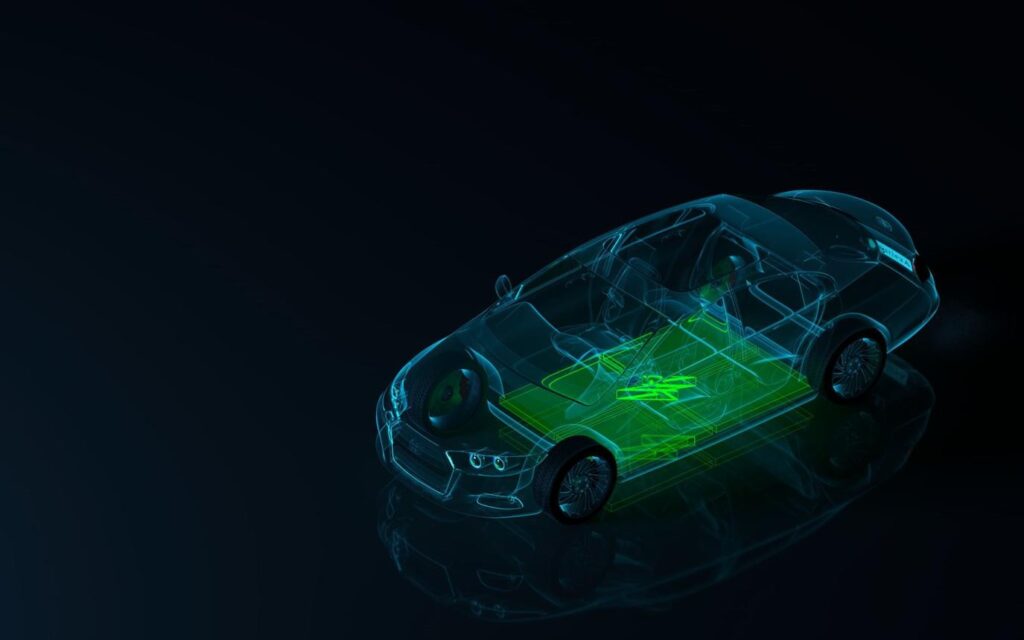
Future vehicle design may change dramatically once solid-state technology becomes mainstream. Because these batteries could become smaller, lighter, safer, and more compact, manufacturers may gain far greater design flexibility.
Possible future developments include:
- Thinner battery platforms
- Lighter performance vehicles
- Larger cabin spaces
- Improved aerodynamics
- Modular transport systems
- Ultra-efficient autonomous pods
Vehicle architecture itself may evolve significantly as battery technology improves. This could influence not only private cars but also:
- Electric marine systems
- Aircraft
- Robotics
- Industrial machinery
- Future urban transport systems
Commercial Transport Could Benefit Enormously
Commercial transport sectors stand to gain major advantages from improved battery technology. Electric trucks, buses, logistics fleets, delivery systems, and marine transport all require:
- Extended operating range
- Rapid charging capability
- Reliability
- Lower downtime
- Long-term durability
Solid-state systems may eventually provide major operational advantages across these sectors. Fleet operators could potentially reduce:
- Charging interruptions
- Maintenance costs
- Energy inefficiencies
- Operational downtime
This could significantly improve the economics of commercial electrification.
The Importance of Battery Technology Beyond Cars
Battery technology is no longer important only for passenger vehicles. Advanced energy storage now influences:
- Renewable energy systems
- Smart infrastructure
- Aviation
- Marine transport
- Robotics
- AI systems
- Industrial electrification
- Future cities
As society becomes increasingly electrified, advanced battery systems may become one of the most strategically important industries in the world. Countries leading battery innovation may ultimately gain major economic and technological advantages.
Australia and New Zealand’s Potential Role
Australia may play an increasingly important role within the future battery industry because of its significant reserves of:
- Lithium
- Nickel
- Cobalt
- Rare earth materials
These resources are becoming critically important for advanced battery manufacturing. There is also growing interest in:
- Battery research
- Renewable energy integration
- EV infrastructure
- Local energy storage systems
throughout both Australia and New Zealand.
As EV adoption increases across the region, future battery technology improvements may accelerate the transition even further.
The Future of Solid-State Technology
While solid-state batteries are not yet fully commercialised at mass scale, momentum continues building rapidly. The technology has the potential to dramatically improve:
- EV practicality
- Charging convenience
- Safety
- Vehicle efficiency
- Energy storage performance
Over the next decade, battery innovation is likely to become one of the most important technological battlegrounds in the world. The transition towards electrification is already well underway.
Solid-state batteries may ultimately become the breakthrough that pushes electric mobility into an entirely new era of capability, convenience, and mainstream acceptance. The companies and nations leading this transformation today may shape the future of global transport for decades to come.
See More at www.vectorwatercraft.com.au