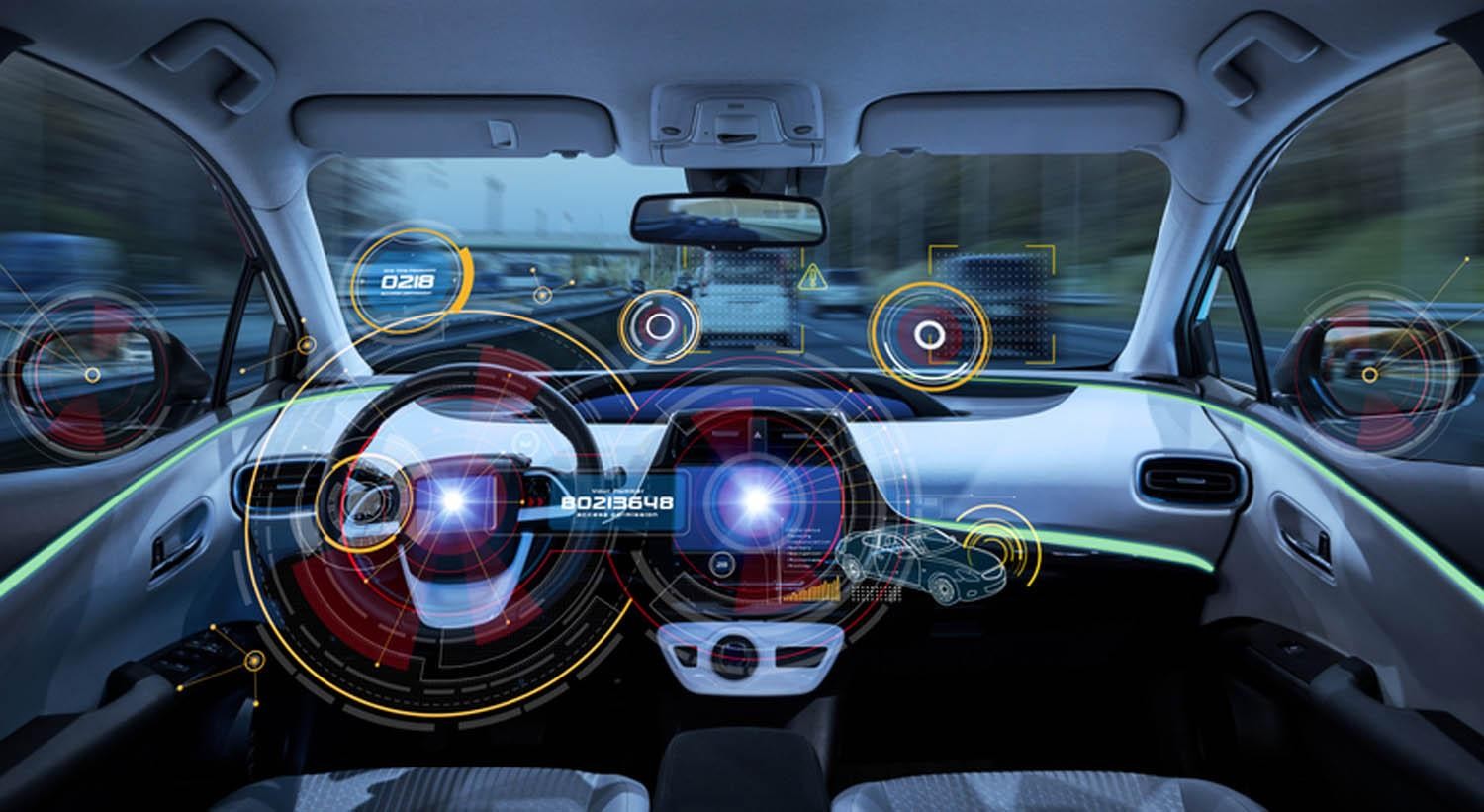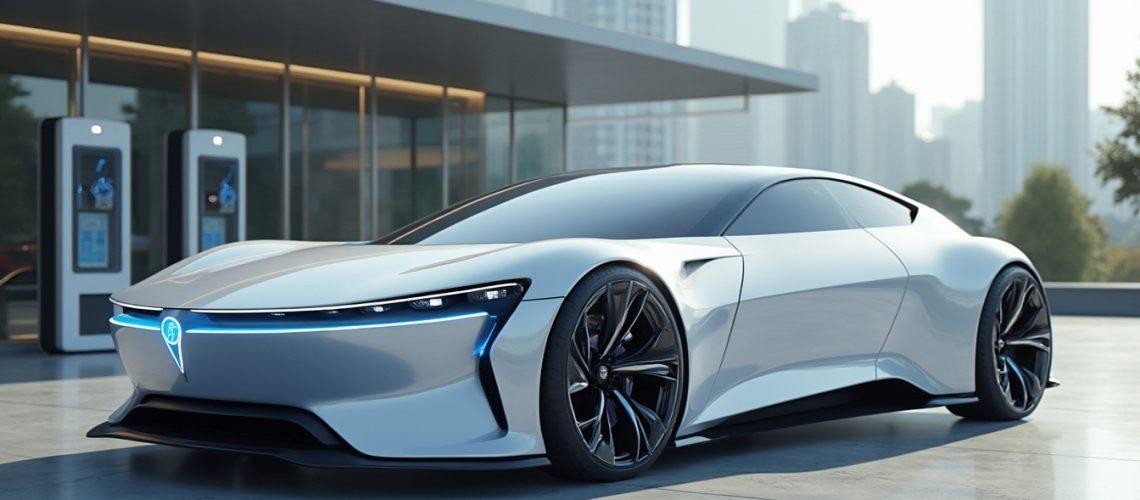
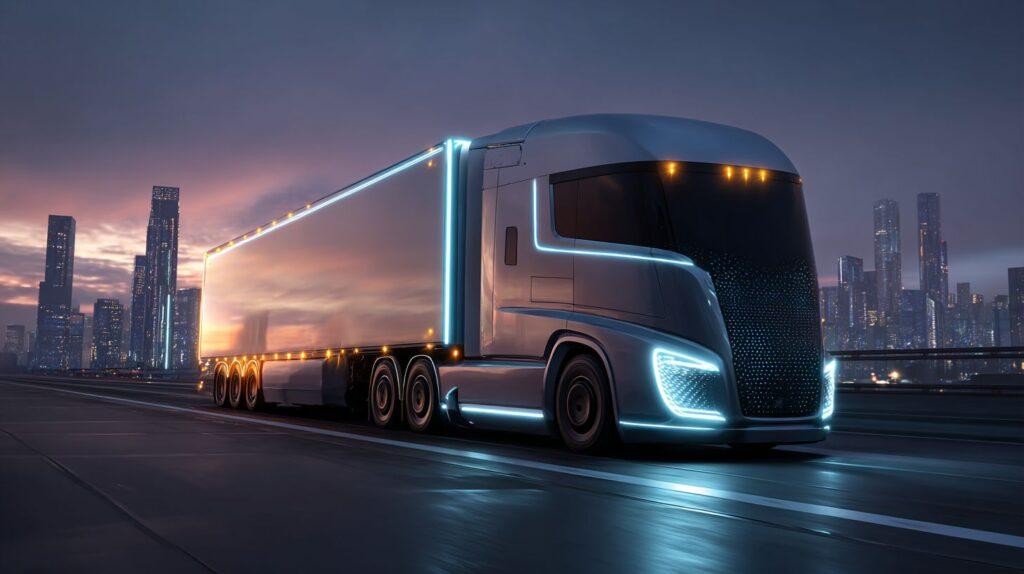

The global transport industry is entering one of the most significant transformation periods in modern history. For decades, commercial logistics has depended heavily upon diesel-powered trucks, traditional freight systems, and conventional transport infrastructure. Today, however, electrification, artificial intelligence, automation, and smart logistics technologies are beginning to fundamentally reshape the future of commercial transport.
Electric trucks are rapidly emerging as one of the most important sectors within future mobility.
Around the world, governments, manufacturers, freight operators, technology companies, and logistics corporations are investing billions of dollars into:
- Electric freight vehicles
- AI-powered logistics systems
- Autonomous transport
- Smart fleet management
- Battery innovation
- Charging infrastructure
The reason is simple. Commercial transport sits at the centre of the global economy. Nearly every industry depends upon efficient freight movement, logistics coordination, and supply chain reliability. As environmental regulations tighten and technology improves, electric commercial transport is increasingly becoming both economically attractive and strategically necessary.
The next decade may completely redefine how goods move across cities, highways, ports, and industrial networks worldwide.
Why Commercial Transport Is Changing So Rapidly
Several major forces are driving the rapid transformation of commercial logistics. These include:
- Rising fuel costs
- Emissions regulations
- Battery technology improvements
- AI development
- Autonomous systems
- Fleet efficiency demands
- Sustainability targets
Traditional diesel transport systems face increasing pressure from both governments and consumers. Many nations are introducing low-emission zones, emissions restrictions, electrification incentives, renewable energy policies, and future combustion engine phase-out targets.
Large corporations are also under growing pressure to reduce carbon emissions across their supply chains. Electric logistics systems provide one of the clearest pathways towards achieving these goals.
The Rise of Electric Trucks
Electric truck development has accelerated enormously over recent years. Manufacturers worldwide are now developing:
- Regional delivery trucks
- Long-haul freight vehicles
- Urban logistics fleets
- Autonomous freight systems
- Electric construction vehicles
- Heavy-duty transport platforms
Major companies investing heavily into electric truck technology include Tesla, Volvo, Daimler, Scania, BYD, Hyundai, MAN, Nikola, and Freightliner.
Modern electric trucks already offer several important advantages:
- Lower operating costs
- Quieter operation
- Reduced maintenance
- Instant torque
- Lower emissions
- Smoother driving performance
As battery technology improves, electric commercial vehicles are becoming increasingly practical across broader freight applications.
Why Instant Torque Is a Major Advantage
One of the biggest performance benefits of electric drivetrains is instant torque delivery. Unlike diesel engines that require rev ranges and gear changes to build power, electric motors deliver torque immediately.
For commercial transport, this creates major advantages involving:
- Acceleration
- Load movement
- Hill climbing
- Urban driving efficiency
- Towing performance
Electric trucks can often provide smoother and more responsive performance under heavy loads. This becomes particularly valuable in stop-start urban logistics, construction applications, freight distribution, and industrial transport. Instant torque is one of the key reasons electric transport systems are attracting increasing interest globally.
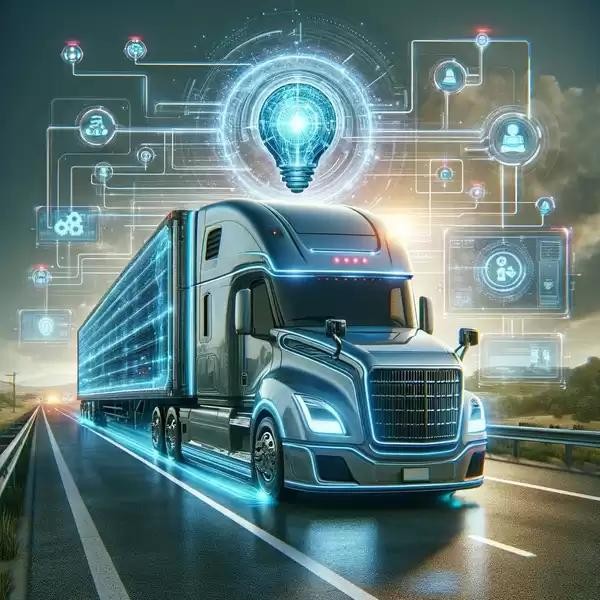
Lower Operating Costs Could Transform Logistics
Commercial fleet operators place enormous importance upon operational efficiency. Fuel, maintenance, downtime, and servicing costs heavily influence profitability. Electric trucks may significantly reduce many of these expenses.
Potential savings include:
- Reduced fuel costs
- Lower maintenance requirements
- Fewer moving parts
- Reduced engine servicing
- Lower brake wear through regenerative braking
- Simplified drivetrain systems
Over long fleet operating periods, these savings can become substantial. As battery costs continue declining, electric freight vehicles may become increasingly competitive against traditional diesel systems.
The Importance of Battery Technology
Battery performance remains one of the most critical factors influencing electric truck adoption. Heavy commercial vehicles require long driving range, high energy capacity, durability, rapid charging capability, and reliability under heavy loads.
Battery technology is improving rapidly. Advances involving solid-state batteries, thermal management systems, energy density, charging efficiency, and lightweight materials may significantly improve future commercial transport practicality.
Long-haul freight transport remains one of the more challenging sectors because of energy demand requirements. However, ongoing innovation is steadily expanding capability.
Megawatt Charging Systems and Fleet Infrastructure
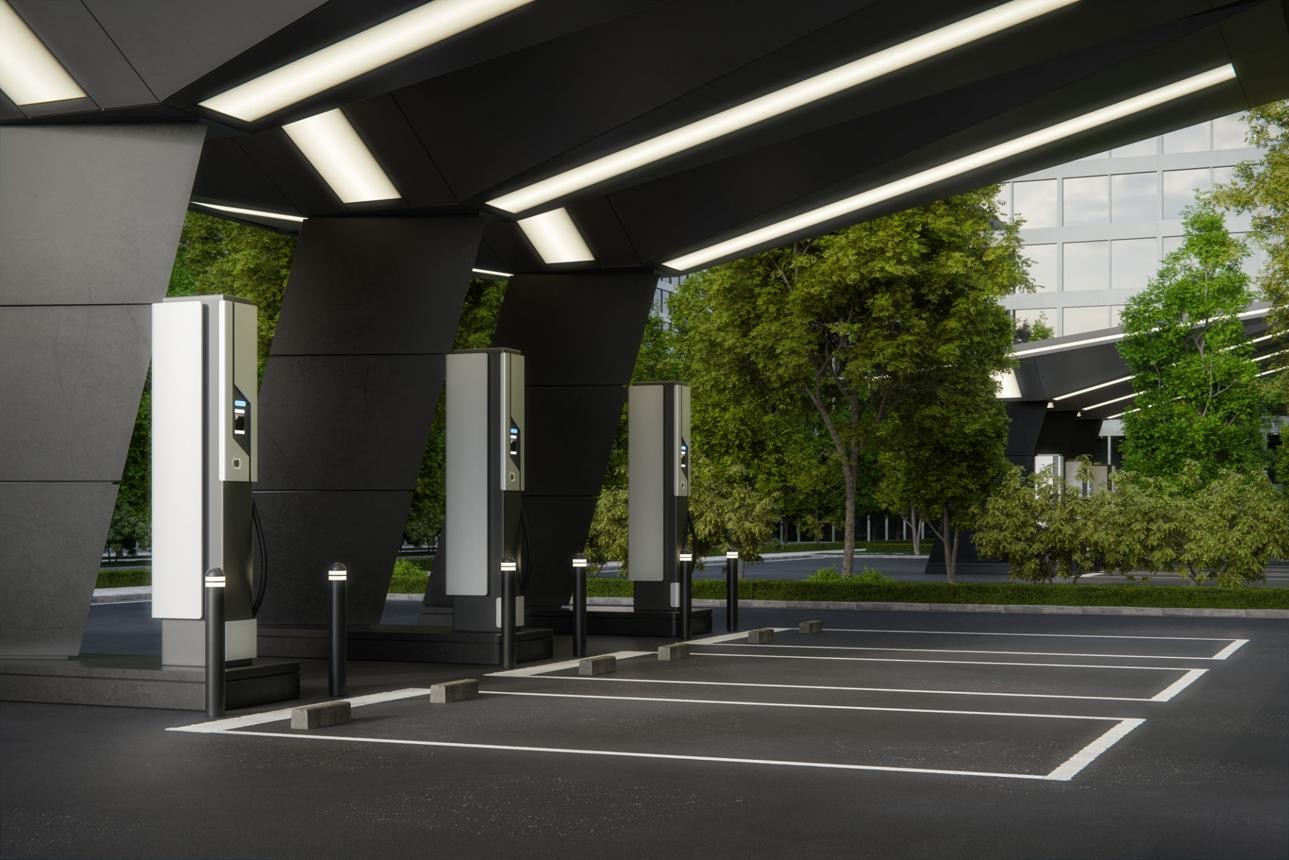
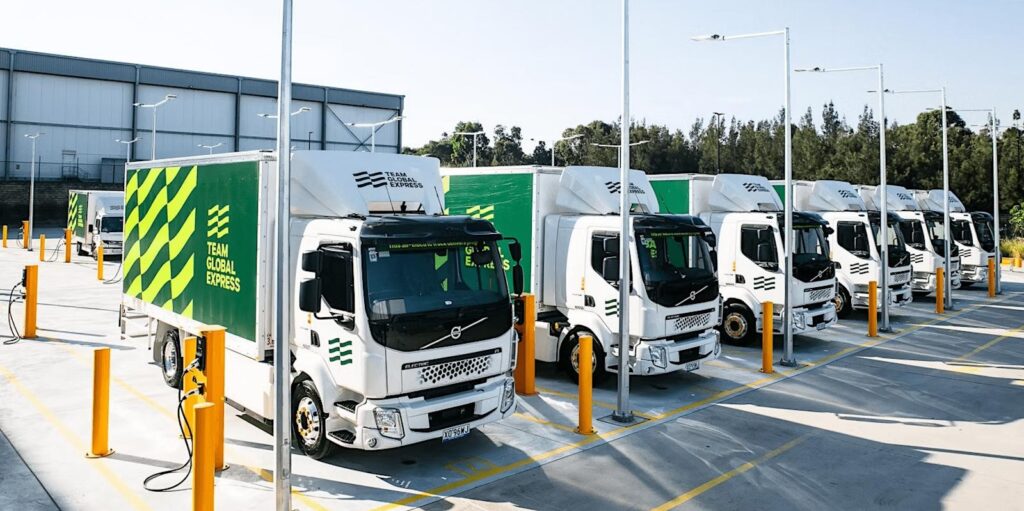
Charging infrastructure is becoming increasingly important for commercial electrification. Heavy transport fleets cannot afford lengthy downtime periods. This is why megawatt charging systems are attracting enormous attention.
Future ultra-fast charging infrastructure may allow:
- Rapid truck charging
- Minimal operational interruption
- Efficient freight scheduling
- Continuous fleet deployment
Fleet depots may eventually integrate AI-managed charging, renewable energy systems, battery storage infrastructure, and smart energy balancing. Commercial charging infrastructure may become one of the largest future investment sectors within transport.
Autonomous Freight Transport
Artificial intelligence and autonomous systems are also transforming logistics. Future freight systems may involve:
- Autonomous trucks
- AI-managed routing
- Predictive maintenance
- Automated warehouse integration
- Smart fleet coordination
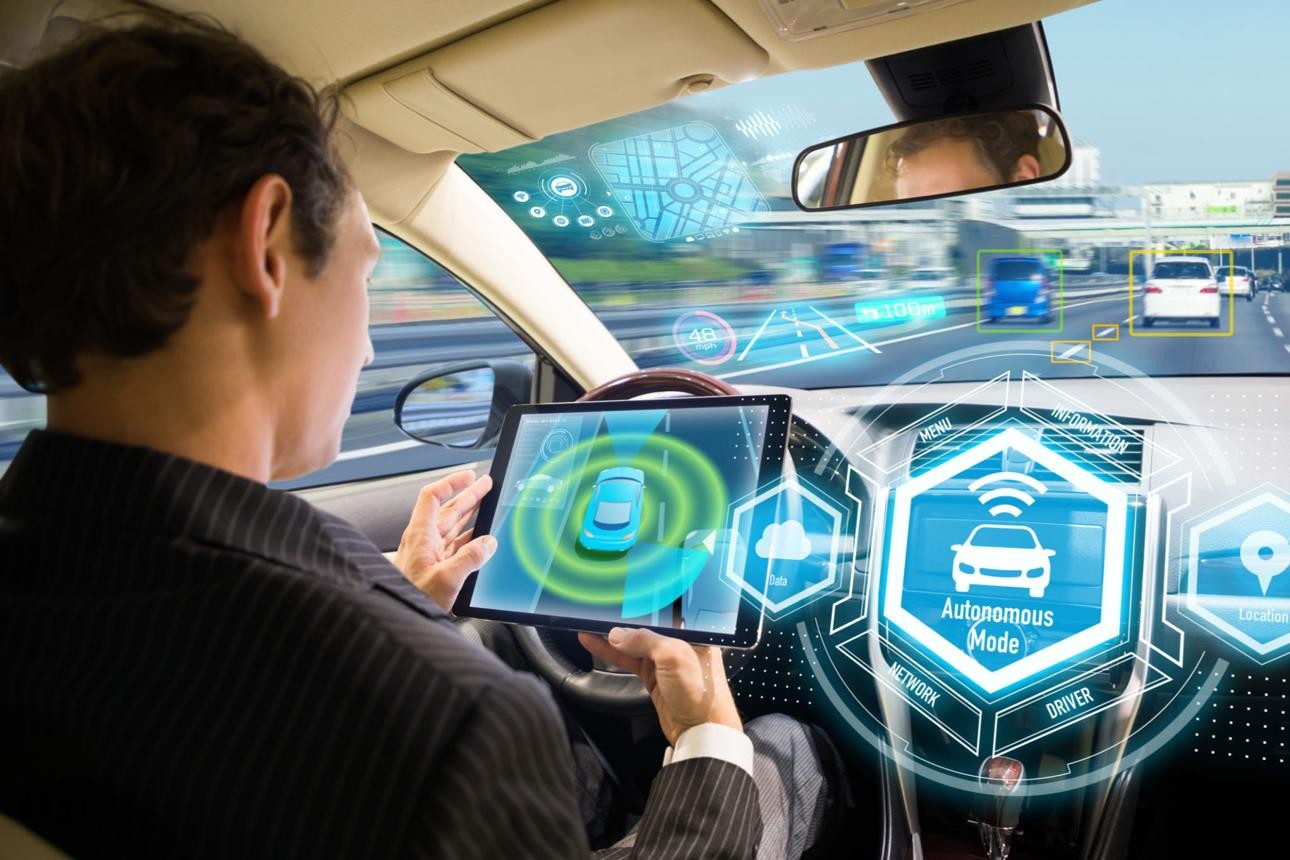
Autonomous transport may improve fuel efficiency, route optimisation, safety, fleet utilisation, and operational consistency. Driver fatigue is one of the biggest safety concerns within freight transport. AI-assisted systems may help reduce accidents, inefficiencies, and operational delays. Fully autonomous freight systems may still take time to become widespread, but development is progressing rapidly.
Smart Logistics and AI Fleet Management
Artificial intelligence is becoming central to future logistics management. AI systems can optimise:
- Freight routes
- Charging schedules
- Maintenance timing
- Traffic avoidance
- Energy consumption
- Delivery efficiency
Future logistics companies may operate highly intelligent transport ecosystems capable of dynamically adjusting operations in real time. This could significantly improve supply chain reliability, delivery speed, operational efficiency, fuel management, and customer service. The integration of AI and electrification may become one of the most important logistics transformations in history.
Urban Logistics Is Changing Fast
Urban freight systems are facing increasing pressure from congestion, emissions restrictions, population growth, and environmental regulations. Electric commercial vehicles are particularly well suited to urban logistics because they offer quiet operation, zero tailpipe emissions, strong low-speed torque, and improved efficiency in stop-start traffic.
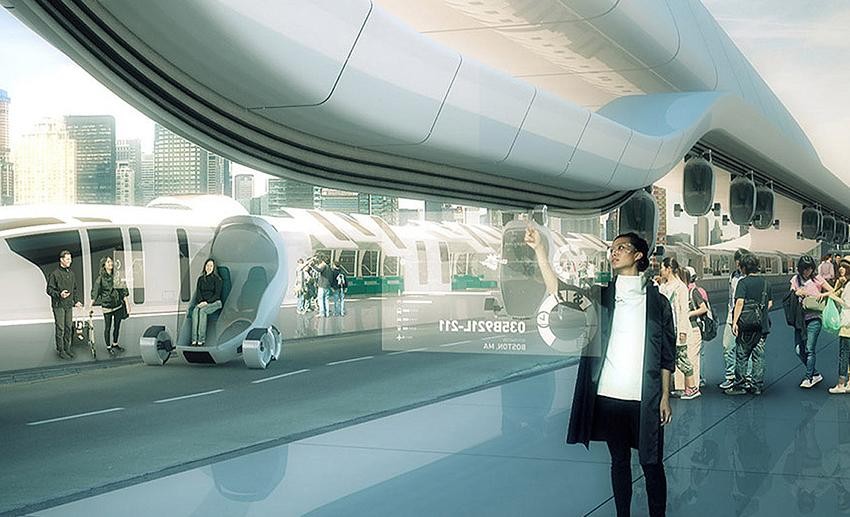
Future cities may increasingly rely upon electric delivery vans, autonomous logistics systems, AI traffic management, and smart loading infrastructure. Urban commercial transport may become one of the earliest sectors to fully electrify.
The Environmental Benefits of Electrified Freight
Commercial transport contributes significantly to global emissions. Electric logistics systems may help reduce:
- Greenhouse gas emissions
- Urban pollution
- Fuel consumption
- Transport noise
As renewable energy expands globally, electric freight systems may become increasingly sustainable. This is particularly important for cities, ports, industrial centres, and tourism regions. Noise reduction alone may create substantial quality-of-life improvements within urban environments.
Challenges Still Facing Electric Commercial Transport
Despite enormous progress, several major challenges remain. These include battery weight, charging infrastructure, grid capacity, long-haul range limitations, upfront vehicle costs, and fleet transition complexity.
Heavy transport places enormous demands upon battery systems. Long-distance freight routes may require advanced charging corridors, megawatt charging infrastructure, and improved battery energy density. However, ongoing technological progress continues improving capability each year.
Ports and Marine Logistics Are Also Electrifying
Electrification is extending beyond trucks into broader logistics infrastructure. Future ports may increasingly incorporate electric cargo handling, autonomous logistics systems, AI-managed freight coordination, electric marine transport, and renewable-powered infrastructure. Ports sit at the centre of global trade systems. As electrification expands, logistics networks themselves may become increasingly interconnected and intelligent.
Australia and New Zealand’s Future Opportunities
Australia and New Zealand may experience significant opportunities within future commercial electrification. The region possesses large freight networks, expanding renewable energy sectors, growing EV adoption, and increasing infrastructure investment.
Electric freight systems may become particularly important for regional logistics, tourism transport, urban delivery networks, mining operations, and port infrastructure. However, long travel distances across Australia may also create unique challenges requiring advanced charging solutions and battery improvements.
Could Electric Freight Dominate the Future?
Many industry analysts believe electric commercial transport will eventually become mainstream across much of the logistics sector. Several factors support this transition: falling battery costs, rising fuel prices, emissions regulations, AI integration, charging infrastructure growth, and autonomous logistics development.
While diesel systems may continue operating for many years in certain applications, the momentum towards electrification is clearly accelerating. The commercial transport sector is no longer simply about moving goods. It is increasingly becoming a technology-driven industry built around AI, smart infrastructure, advanced energy systems, automation, connectivity, and electrification.
The Future of Commercial Logistics
The future logistics ecosystem may look dramatically different from today’s transport systems. Future freight networks may involve:
- Autonomous electric trucks
- AI-managed delivery systems
- Intelligent charging infrastructure
- Connected smart ports
- Predictive logistics software
- Renewable-powered transport corridors
This transformation may improve efficiency, sustainability, reliability, operating costs, and urban liveability. Commercial transport sits at the heart of modern civilisation. As electrification and AI continue advancing, the logistics industry may undergo one of the biggest technological shifts in its entire history. The companies and nations leading this transition today may help define the future global economy for decades to come.