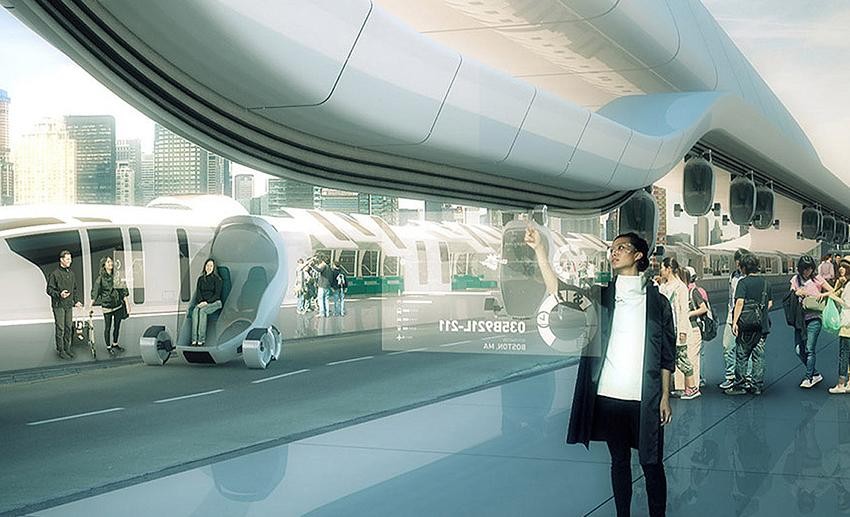
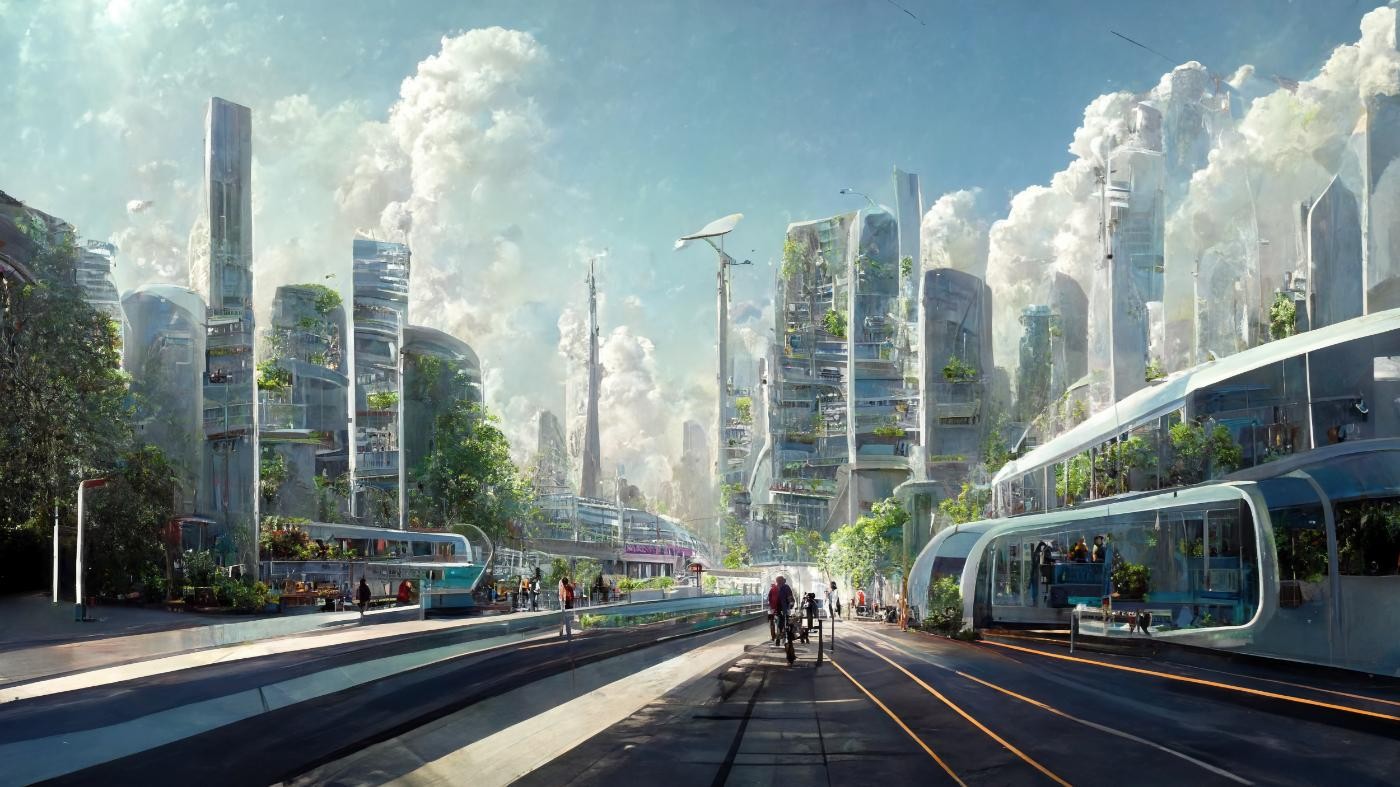

For decades, fully autonomous vehicles have existed mainly within the world of science fiction. Futuristic films and technology predictions have long imagined cities filled with self-driving cars transporting passengers without human drivers. Today, however, that vision is moving rapidly towards reality.
Around the world, major automotive manufacturers, artificial intelligence companies, mobility startups, and technology giants are investing billions of dollars into autonomous transport systems. The goal is ambitious — creating vehicles capable of safely navigating roads, transporting passengers, delivering goods, and operating continuously with minimal or no human intervention.
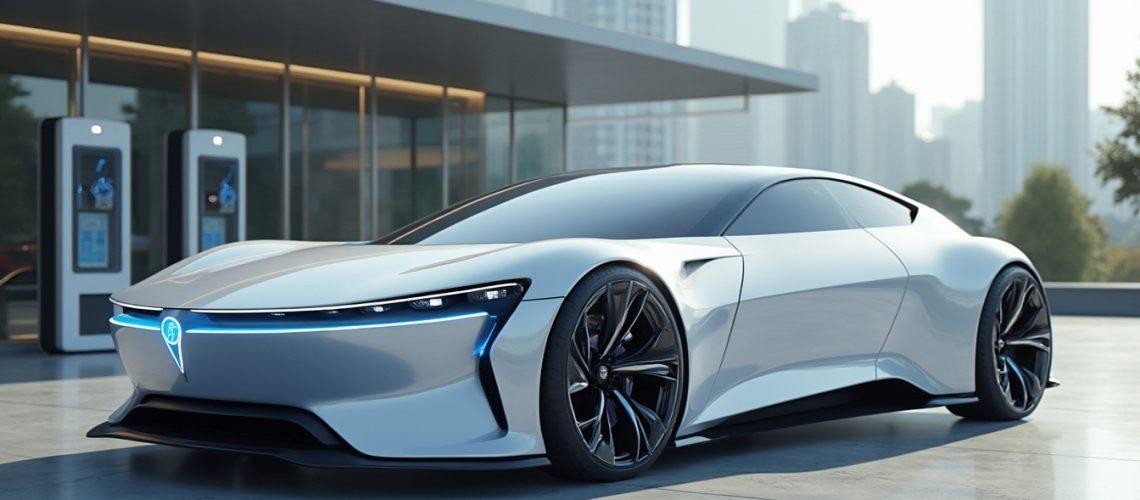
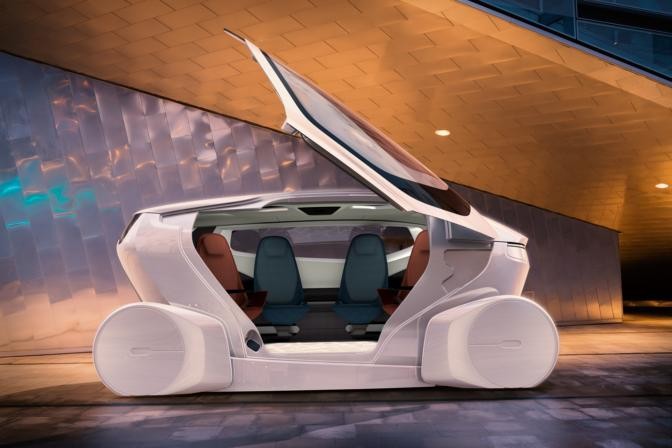
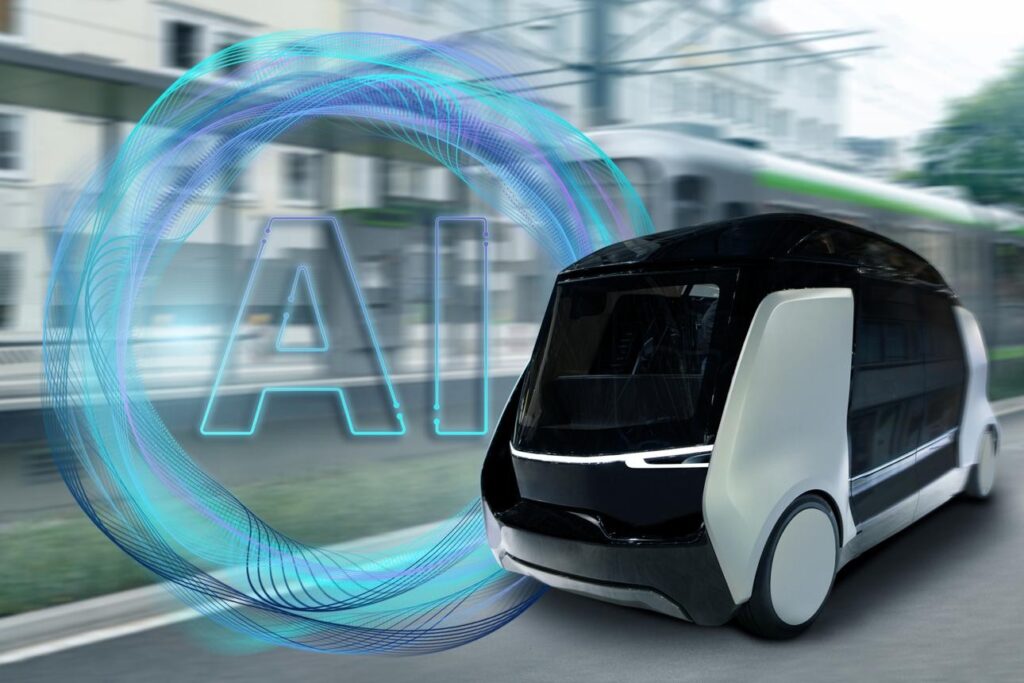
One of the most important developments within this transformation is the emergence of robotaxis. Robotaxis are autonomous electric vehicles designed to operate as driverless transport services. Instead of personally owning a vehicle, future consumers may increasingly summon autonomous transport on demand using smartphone applications or integrated mobility platforms.
While widespread fully autonomous public transport is not yet universal, the pace of development is accelerating rapidly. The question is no longer whether autonomous transport will become part of everyday life. The real question is how soon.
What Exactly Is a Robotaxi?
A robotaxi is essentially a self-driving electric vehicle designed to transport passengers autonomously. These systems typically combine:
- Electric drivetrains
- Artificial intelligence
- Advanced mapping systems
- Machine learning
- Sensor arrays
- High-performance computing
- Real-time connectivity
Unlike conventional rideshare services, robotaxis do not require human drivers. Passengers simply request transport, enter the vehicle, select their destination, and allow the AI system to complete the journey.
The technology behind robotaxis is extraordinarily sophisticated. Vehicles continuously process massive amounts of information using:
- Cameras
- Radar
- LiDAR
- GPS
- Ultrasonic sensors
- AI decision systems
This allows the vehicle to identify obstacles, recognise pedestrians, monitor traffic conditions, interpret road signs, predict hazards, and maintain safe navigation. All of this occurs in real time.
Why Electric Vehicles Are Central to Autonomous Transport
Most robotaxi systems are being developed around electric vehicle platforms. There are several important reasons for this. Electric vehicles already rely heavily upon:
- Software systems
- Electronic controls
- Digital architecture
- AI integration
- Connected infrastructure
This makes them ideal for autonomous functionality. Electric drivetrains also provide lower operating costs, reduced maintenance, smoother acceleration, quieter operation, and improved efficiency.
For autonomous fleet operators, these benefits are highly valuable. Future robotaxi networks may operate nearly continuously, meaning low maintenance, minimal downtime, energy efficiency, and operational reliability become critically important. Electric mobility and autonomous transport are therefore evolving together as part of the same broader technological revolution.
The Technology Powering Driverless Vehicles
Autonomous driving systems rely upon an extraordinary combination of technologies working simultaneously. Modern autonomous platforms typically use:
- AI processing systems
- Real-time mapping
- Machine learning algorithms
- High-definition sensors
- Advanced navigation software
- Cloud connectivity
- Predictive analytics
LiDAR systems create detailed 3D maps of surrounding environments. Radar helps detect vehicles, objects, speed, and distance, while cameras identify lane markings, traffic signs, pedestrians, cyclists, and road conditions. AI systems then analyse all this information and make driving decisions within fractions of a second, including braking, accelerating, steering, hazard avoidance, route optimisation, and speed management. The computational complexity involved is enormous.
Why Companies Are Investing Billions Into Autonomous Mobility
The future economic potential of autonomous transport is enormous. Robotaxis may eventually reshape urban transport, logistics, freight delivery, public mobility, tourism, and commercial transport systems.
Major companies investing heavily into autonomous technology include:
- Tesla
- Waymo
- Cruise
- Baidu
- Nvidia
- Uber
- Apple
- Mercedes-Benz
- Hyundai
- General Motors
Governments are also supporting autonomous transport research because of potential benefits involving road safety, reduced congestion, lower emissions, improved accessibility, and economic efficiency. Many analysts believe autonomous mobility could become one of the largest technology sectors in the world over the next two decades.
Could Autonomous Vehicles Reduce Road Accidents?
One of the strongest arguments supporting autonomous transport is improved safety. Human error remains one of the leading causes of road accidents globally. Common contributing factors include:
- Fatigue
- Distraction
- Speeding
- Impaired driving
- Delayed reactions
- Poor judgement
AI systems do not become tired, distracted, or emotionally unstable. Autonomous systems can continuously monitor road conditions, surrounding vehicles, pedestrian activity, traffic flow, and weather conditions. AI can also react significantly faster than humans under many circumstances. While autonomous technology still faces challenges, long-term safety improvements may become one of the biggest reasons governments support the transition.
The Rise of Smart Cities and Connected Infrastructure
Robotaxis are likely to become deeply integrated into future smart city systems. Future transport networks may involve:
- AI-controlled traffic lights
- Connected road systems
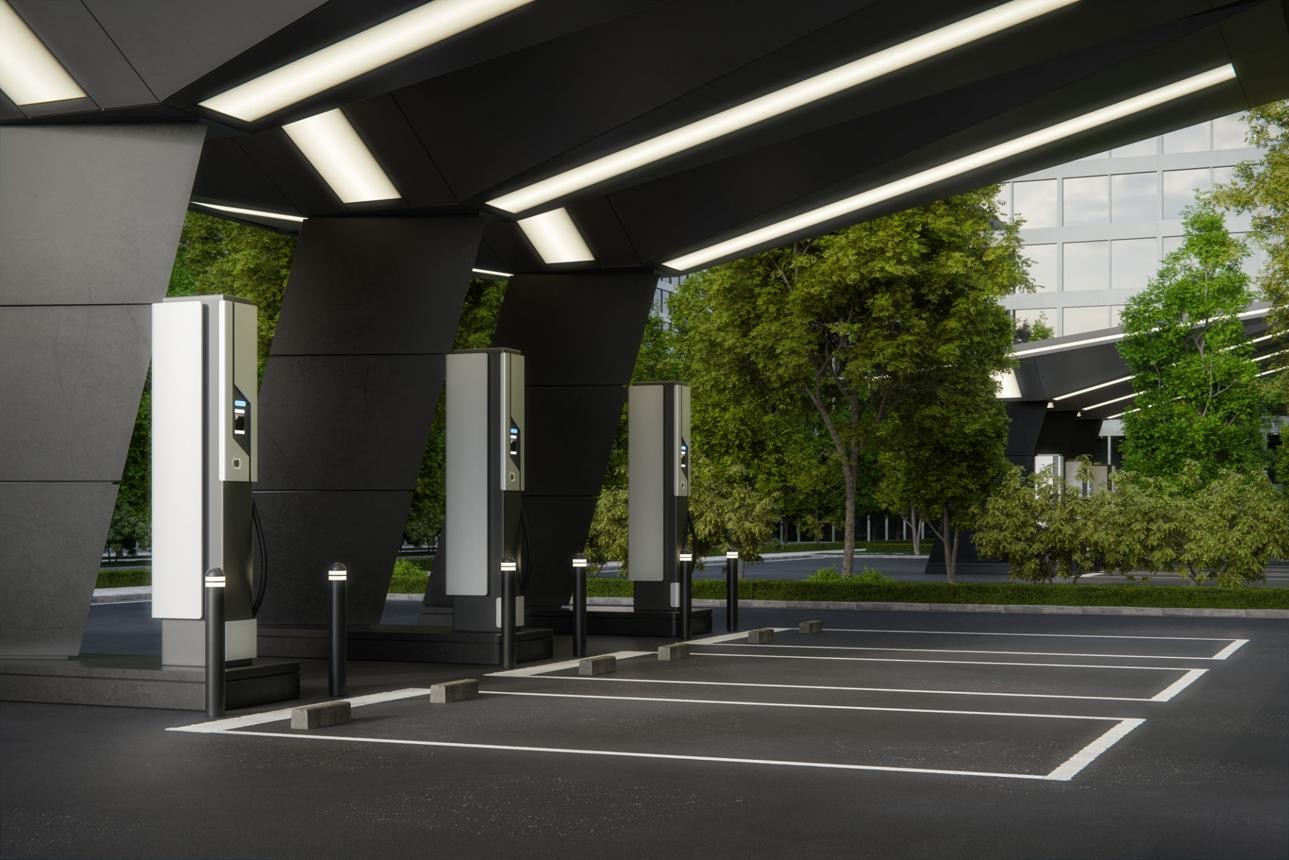
- Intelligent parking infrastructure
- Real-time traffic management
- Vehicle-to-vehicle communication
- Autonomous public transport
Vehicles may eventually communicate directly with traffic systems, charging infrastructure, emergency services, navigation networks, and smart energy systems. This interconnected environment could significantly improve traffic efficiency. Congestion reduction may become one of the largest benefits of intelligent autonomous transport systems.
How Robotaxis Could Change Car Ownership
One of the most disruptive aspects of autonomous mobility is the potential decline of private vehicle ownership in some urban environments. Instead of owning vehicles, many consumers may increasingly use:
- Autonomous rideshare systems
- Subscription transport services
- On-demand robotaxi fleets
Potential benefits include lower transport costs, reduced parking demand, increased mobility access, fewer traffic delays, and reduced urban congestion. Cities themselves may change significantly if fewer people own private vehicles. Large parking areas may eventually be repurposed for housing, commercial development, public spaces, and green infrastructure, fundamentally reshaping urban planning.
Commercial Logistics and Autonomous Delivery
Autonomous technology is also transforming logistics and freight systems. Future autonomous delivery networks may involve:
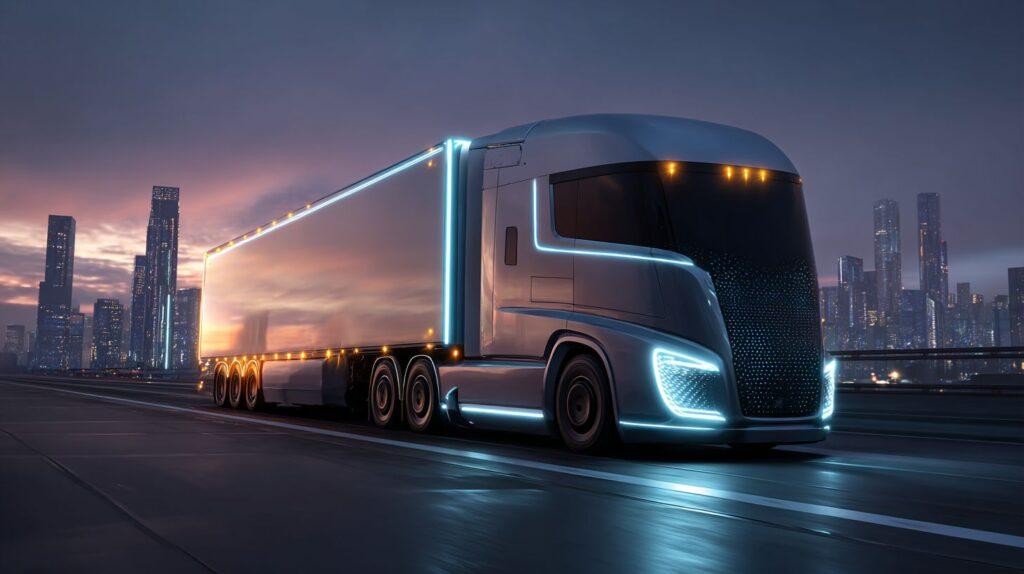
- Driverless trucks
- AI-managed freight fleets
- Robotic delivery systems
- Autonomous warehouse transport
- Drone integration
Commercial transport operators are highly interested in reducing labour costs, downtime, fuel expenses, and maintenance interruptions. Autonomous systems may dramatically improve efficiency within freight and logistics industries, making this sector one of the earliest large-scale adopters of autonomous technology.
Why Public Trust Still Matters
Despite rapid technological advancement, public trust remains one of the biggest challenges facing autonomous transport. Consumers still have concerns involving:
- Safety
- Reliability
- System failures
- Cybersecurity
- Ethical decision-making
- Legal responsibility
Autonomous vehicles must prove themselves capable of handling highly unpredictable real-world situations. Urban environments can be extremely complex, requiring vehicles to deal with erratic drivers, pedestrians, cyclists, roadworks, weather conditions, and unexpected obstacles. Achieving widespread public confidence may still require significant time and testing.
Regulatory Challenges Around the World
Governments worldwide are still developing legal frameworks for autonomous mobility. Questions involving liability, insurance, licensing, safety certification, and operational standards remain under active debate. Different countries are progressing at different speeds; some cities are already trialling limited robotaxi services under controlled conditions, while others remain cautious. Regulatory progress will heavily influence how quickly autonomous systems expand globally.
Australia and New Zealand’s Future Role
Australia and New Zealand may eventually become important markets for autonomous transport systems. The region offers:
- Growing EV adoption
- Strong technology interest
- Expanding smart infrastructure
- Increasing renewable energy integration
Future autonomous transport may become particularly valuable within tourism, regional mobility, logistics, commercial transport, and smart city development. However, regional conditions such as large travel distances, varied road quality, and extreme weather may create unique operational challenges requiring specialised AI adaptation.
The Economic Impact of Autonomous Mobility
The long-term economic implications of autonomous transport are enormous. Potential impacts include reduced transport costs, increased logistics efficiency, lower accident-related expenses, new mobility industries, AI infrastructure growth, and expanded software development sectors.
At the same time, autonomous systems may disrupt traditional employment within taxi industries, freight transport, delivery services, and rideshare systems. Governments and businesses will need to manage this transition carefully.
Are Fully Autonomous Cities Really Possible?
Some futurists believe fully autonomous transport ecosystems may eventually become normal within major cities. Future urban mobility systems may involve:
- Autonomous public transport
- Driverless delivery systems
- AI traffic coordination
- Integrated renewable energy
- Connected infrastructure
- Autonomous emergency response systems
If achieved successfully, future cities may become safer, quieter, cleaner, more efficient, and less congested. The pace of technological progress suggests this future may arrive faster than many people expect.
The Future of Driverless Transport
Autonomous mobility is no longer a distant futuristic concept. It is rapidly becoming one of the most important technological transformations of the modern era. Robotaxis and driverless systems have the potential to reshape transport, urban planning, logistics, energy systems, infrastructure, and consumer behaviour.
While significant technical and regulatory challenges still remain, progress continues accelerating rapidly. Artificial intelligence, electrification, advanced sensors, smart infrastructure, and connected mobility systems are all converging simultaneously. The future of transport is increasingly becoming electric, intelligent, autonomous, and connected. The companies, cities, and nations leading this transition today may help define how the world moves for generations to come.
See More at www.vectorwatercraft.com.au