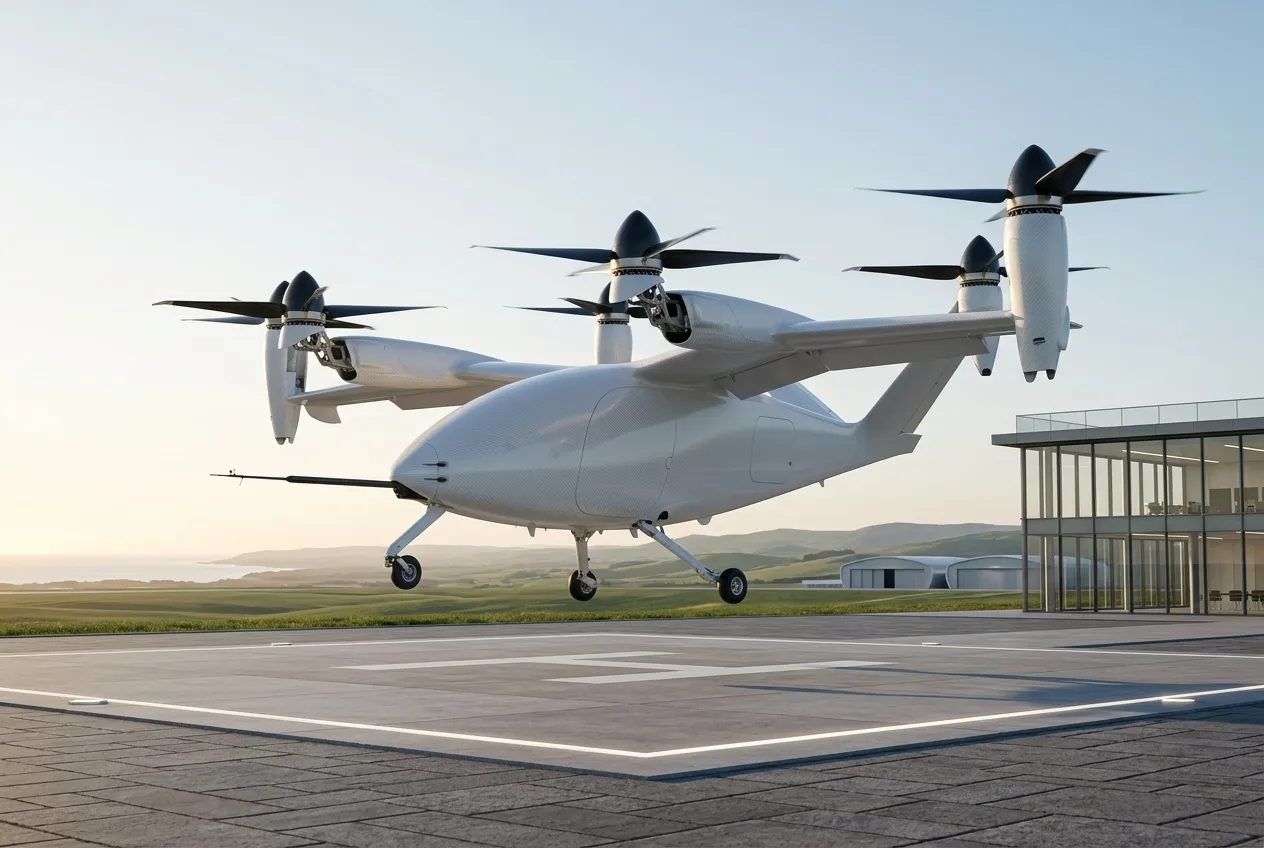
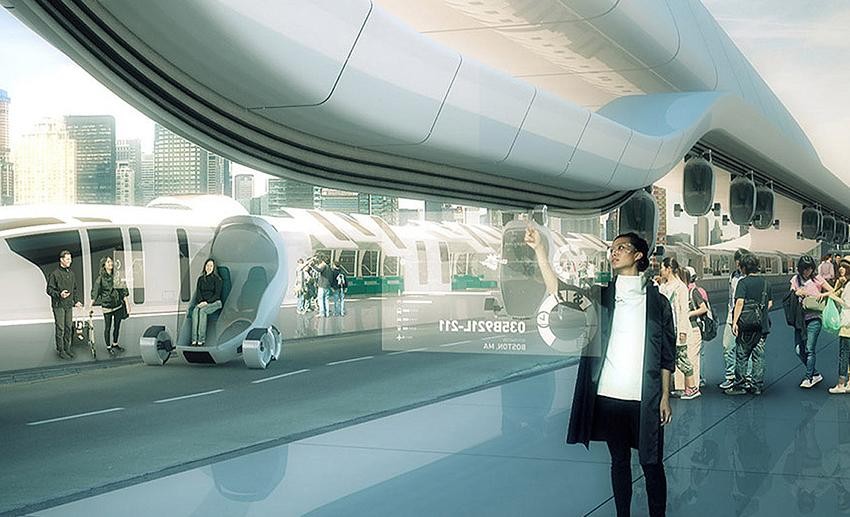

Cities around the world are changing rapidly. Population growth, increasing congestion, rising emissions, infrastructure pressure, and changing lifestyles are forcing governments and urban planners to rethink how people move through modern urban environments.
For more than a century, cities were designed primarily around large privately owned petrol-powered vehicles. Today, however, a new mobility revolution is emerging — one centred around smaller, smarter, cleaner, and more flexible electric transport systems.
Future urban mobility is increasingly shifting towards:
- Compact electric vehicles
- Micro mobility systems
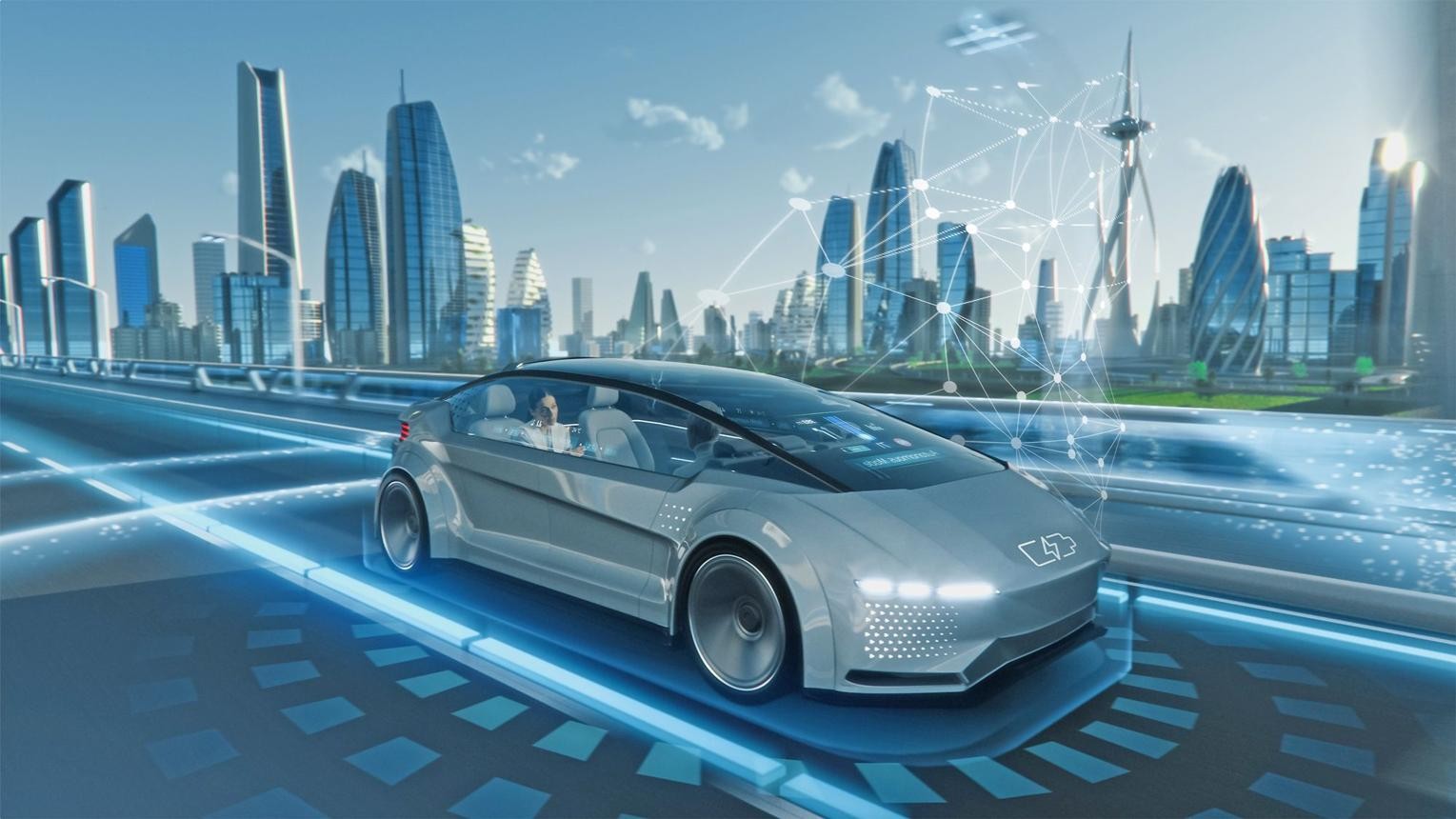
- Autonomous transport pods
- Electric scooters
- Smart bicycles
- Connected public transport
- AI-managed traffic systems
The future city may ultimately rely far less upon large traditional vehicles and far more upon intelligent, lightweight, highly efficient transport ecosystems.
Around the world, technology firms, mobility startups, governments, and major manufacturers are investing billions of dollars into reimagining urban transport.
This transformation may fundamentally reshape:
- City design
- Infrastructure planning
- Commuting patterns
- Energy systems
- Public spaces
- Lifestyle behaviour
The future of mobility is not simply becoming electric. It is becoming smaller, smarter, and far more connected.
Why Modern Cities Need New Mobility Solutions
Urban populations continue growing rapidly worldwide. Many cities already struggle with:
- Traffic congestion
- Parking shortages
- Pollution
- Overcrowded transport systems
- Rising infrastructure costs
Traditional transport models are becoming increasingly difficult to sustain. Large private vehicles consume enormous road space, parking infrastructure, fuel resources, and urban land capacity.
Future mobility systems must become:
- More efficient
- More flexible
- Less polluting
- More space-conscious
Small electric transport systems are emerging as one of the most practical solutions.
What Is Urban Micro Mobility?
Urban micro mobility refers to small lightweight transport systems designed primarily for short-distance urban travel. These systems include:
- Electric scooters
- E-bikes
- Compact EVs
- Autonomous transport pods
- Lightweight electric motorcycles
- Shared mobility platforms
Micro mobility focuses heavily upon convenience, efficiency, sustainability, and urban accessibility. Many trips within cities involve relatively short distances, and small electric mobility systems may often handle these journeys more efficiently than traditional vehicles.
The Rise of Compact Electric Vehicles
Compact electric vehicles are rapidly becoming more sophisticated. Future urban EVs may feature:
- Lightweight construction
- AI-assisted navigation
- Autonomous capability
- Smart connectivity
- Ultra-efficient energy systems
- Minimal parking requirements
Manufacturers are increasingly designing vehicles specifically for dense urban environments. Future urban vehicles may prioritise manoeuvrability, efficiency, low operating costs, digital integration, and shared mobility compatibility. This represents a major shift away from traditional automotive thinking.
Autonomous Urban Mobility Pods
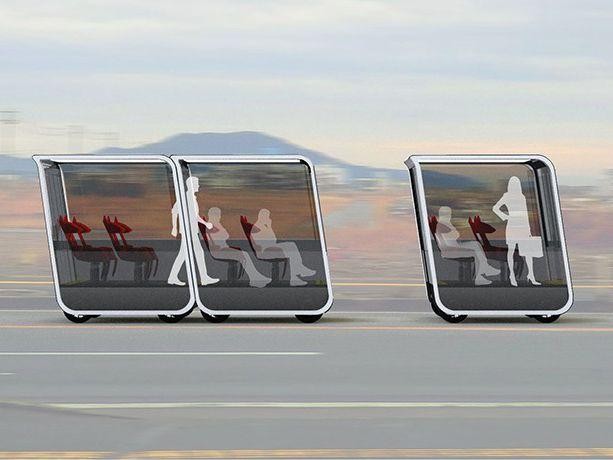
One of the most fascinating future developments involves autonomous mobility pods. These small self-driving vehicles may eventually provide:
- On-demand urban transport
- Shared commuting services
- Last-mile connectivity
- Integrated public transport support
Future pods may operate continuously throughout cities using AI navigation, connected infrastructure, autonomous coordination, and smart traffic management. Passengers may simply summon transport through integrated mobility applications. This could dramatically reduce the need for private car ownership in dense urban environments.
Electric Scooters and E-Bikes
Electric scooters and e-bikes have already become highly visible in many global cities. These systems provide:
- Low-cost transport
- Reduced congestion
- Flexible mobility
- Lower emissions
- Easy urban access
Shared mobility systems are expanding rapidly across Europe, Asia, North America, Australia, and New Zealand. As infrastructure improves, micro mobility may become increasingly integrated into mainstream transport ecosystems.
Smart Cities and Connected Mobility
Future urban mobility will depend heavily upon connected infrastructure. Smart cities may integrate AI traffic systems, connected charging networks, autonomous transport, digital payment systems, intelligent route optimisation, and real-time mobility analytics.
Future mobility systems may communicate directly with traffic lights, charging stations, public transport, navigation systems, and emergency infrastructure. This interconnected environment could dramatically improve urban efficiency.
Reducing Congestion Through Smarter Mobility
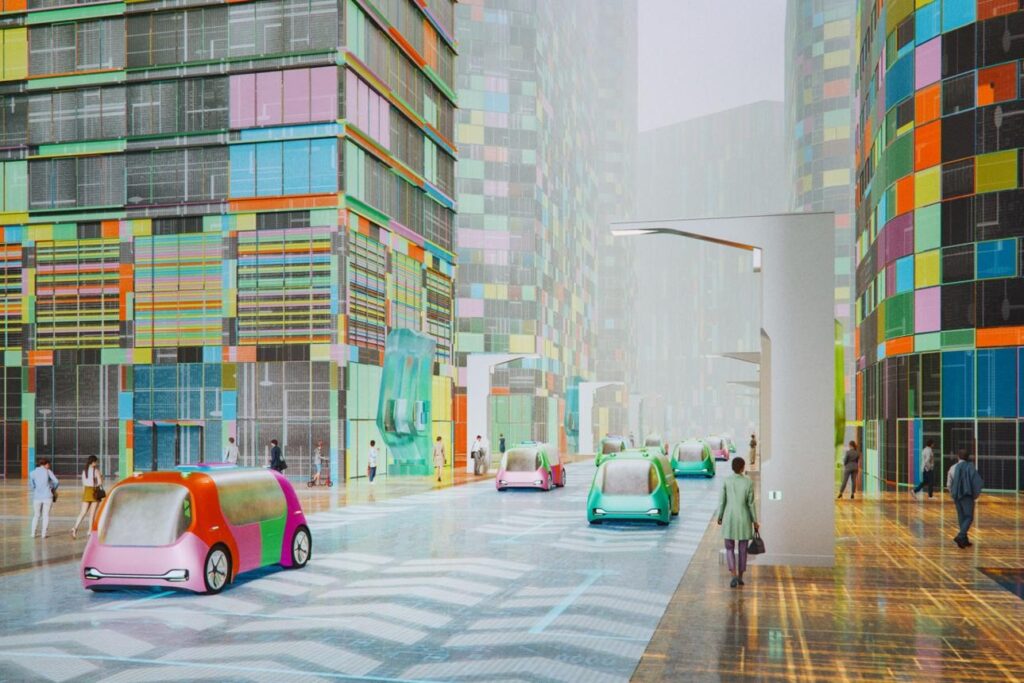
Traffic congestion costs cities billions of dollars annually through lost productivity, fuel waste, pollution, and transport inefficiency. Smaller electric mobility systems may significantly reduce congestion by:
- Occupying less road space
- Reducing parking demand
- Improving traffic flow
- Supporting multimodal transport
Autonomous coordination and AI-managed traffic systems may further optimise movement throughout future cities, allowing urban transport to eventually become dramatically more efficient than current systems.
The Environmental Advantages of Micro Mobility
Environmental sustainability is one of the biggest drivers behind future urban mobility. Small electric transport systems generally produce lower emissions, lower energy consumption, reduced noise pollution, and reduced infrastructure demand.
As renewable energy systems expand globally, future urban mobility may become increasingly sustainable. Cleaner cities may improve air quality, public health, urban liveability, and environmental performance, which is becoming increasingly important as cities continue expanding worldwide.
Why Younger Generations Are Driving Change
Consumer attitudes towards mobility are also changing. Many younger urban residents increasingly prioritise flexibility, digital integration, sustainability, convenience, and shared access over ownership. Subscription mobility systems, ridesharing, and on-demand transport are becoming increasingly popular.
Future urban mobility may focus less upon private ownership and more upon:
- Mobility-as-a-service
- Integrated transport platforms
- Connected public systems
This behavioural shift may dramatically reshape future transport industries.
AI and Urban Transport Optimisation
Artificial intelligence is becoming central to future mobility management. AI systems can optimise traffic flow, public transport scheduling, autonomous coordination, route efficiency, charging infrastructure, and congestion management.
Future AI systems may dynamically balance vehicle demand, energy usage, road capacity, and transport efficiency, creating highly responsive intelligent mobility ecosystems.
The Role of Public Transport
Future urban mobility is unlikely to replace public transport entirely. Instead, micro mobility systems may increasingly complement trains, buses, trams, ferries, and regional transport systems. Small electric transport solutions may improve first-mile connectivity, last-mile transport, and local mobility flexibility. Integrated mobility platforms may eventually combine multiple transport systems seamlessly.
Infrastructure Challenges Still Exist
Despite enormous potential, future urban mobility still faces several major challenges. These include infrastructure investment, charging access, safety regulation, road integration, public acceptance, and urban planning complexity.
Cities must adapt infrastructure to support bike lanes, charging systems, autonomous transport, and digital mobility networks. Urban planning itself is evolving rapidly as mobility technology advances.
Autonomous Delivery Systems
Future cities may also increasingly use autonomous delivery systems involving delivery robots, autonomous pods, electric cargo vehicles, and AI-managed logistics. This could improve delivery efficiency, urban congestion, and freight coordination, allowing commercial logistics to become highly integrated with future urban mobility ecosystems.
Australia and New Zealand’s Urban Mobility Future
Australia and New Zealand are already beginning to experience growth in urban micro mobility systems. Cities such as Brisbane, Sydney, Melbourne, Auckland, and Wellington are increasingly investing in cycling infrastructure, EV charging, smart transport systems, and urban sustainability initiatives. As urban populations grow, future mobility systems may become increasingly important across both countries.
Future Vehicle Design Will Change Dramatically
Future urban vehicles may look very different from traditional cars. Design priorities may increasingly focus upon:
- Compact dimensions
- Autonomous capability
- Digital integration
- Lightweight engineering
- Energy efficiency
Many future vehicles may operate more like connected mobility devices than conventional automobiles, fundamentally changing automotive design philosophy.
Could Cities Eventually Become Car-Light?
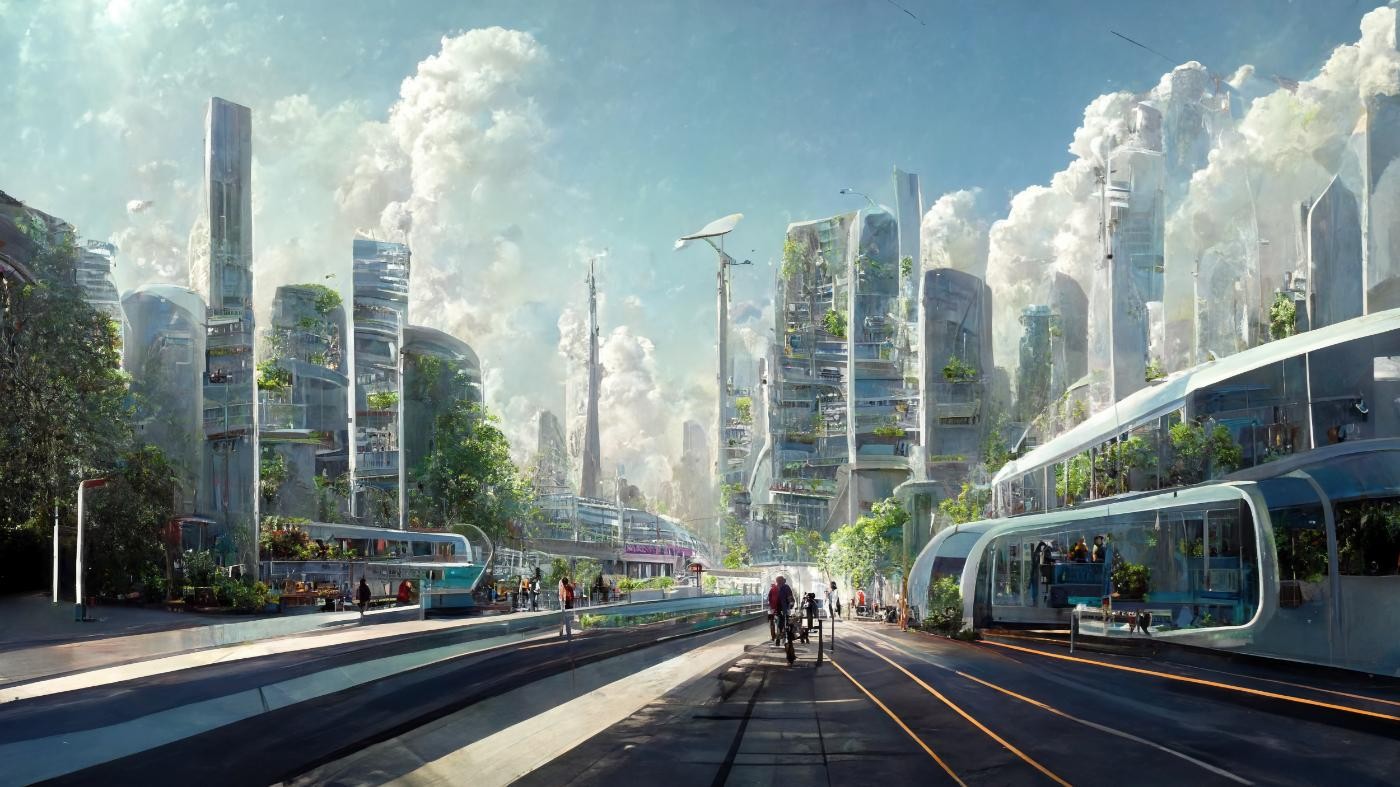
Some experts believe future cities may eventually become far less dependent upon traditional private vehicles. Future urban environments may increasingly prioritise pedestrian infrastructure, green public spaces, connected transport systems, autonomous mobility, and shared electric transport.
Large parking facilities and congested traffic corridors may gradually decline in importance, significantly reshaping urban landscapes.
The Future of Urban Mobility
The future of cities is becoming increasingly intelligent, connected, and electrified. Small electric transport systems may play a major role in creating cleaner cities, safer streets, lower emissions, more efficient mobility, and improved urban liveability.
The convergence of AI, electrification, autonomous technology, smart infrastructure, and renewable energy is creating one of the biggest urban transformations in modern history. Future mobility is no longer simply about replacing petrol vehicles with electric cars; it is about redesigning how entire cities function. The cities that successfully adapt to these new mobility systems may become the global urban leaders of the future. That transformation has already begun.